
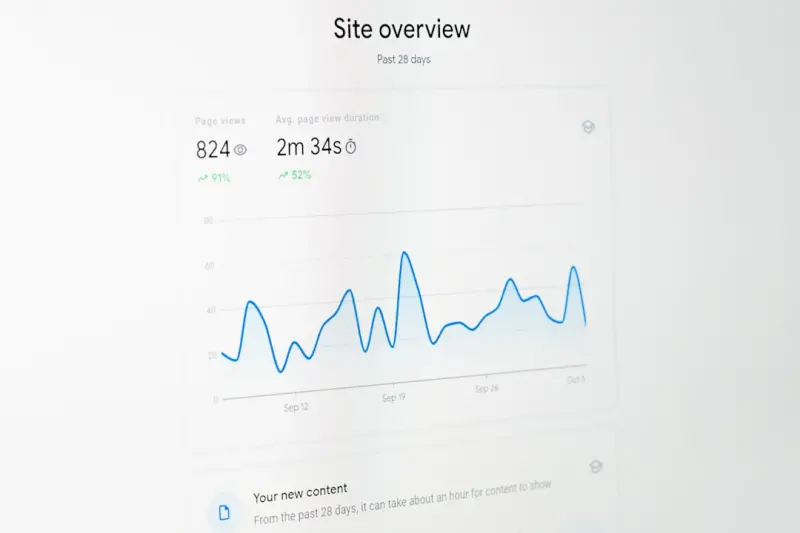
Why SERP Features Are the New Frontier for SEO Mastery
When I first started tinkering with search engines, the focus was simple: rank on the first page. Fast‑forward to today, and the first page is a sprawling canvas of features—People Also Ask boxes, Knowledge Panels, local packs, video carousels, and even AI‑generated snippets. If you’re still chasing traditional blue links, you’re leaving a massive amount of real‑estate on the table.
What the SERP Landscape Looks Like Now
Search engines have transformed from a list of links into a rich, interactive experience. A single query can surface dozens of distinct elements, each competing for the user’s attention:
- People Also Ask (PAA) – A cascade of related questions that can dominate the screen.
- Featured Snippets – The concise answer block that often sits above the organic results.
- Knowledge Panels – Brand‑level snapshots that pull data from across the web.
- Local Packs – The “3‑result” map view that drives foot traffic.
- Video Carousels – Embedded video results that outrank many text pages.
- AI‑Generated Answers – New “assistant” style responses that synthesize multiple sources.
Each of these slots has its own ranking signals, and the good news? They’re algorithmically separate from the classic blue link rankings. That means you can dominate the SERP even if you’re not #1 on the traditional list.
Why Ignoring SERP Features Is a Strategic Risk
Think about the metrics that matter: click‑through rate (CTR), dwell time, and ultimately conversions. When a user finds what they need in a PAA box or a featured snippet, they may never click through. That sounds like a loss, but it’s actually a strategic win—you become the authoritative voice and shape the narrative.
Conversely, if you’re absent from those features, you surrender the spotlight to competitors, even if they have weaker overall domain authority. The SERP is now a multi‑slot battlefield where every piece of content can earn its own real‑estate.
How to Map Your Content to SERP Opportunities
Start with an audit of the search queries that matter to your audience. Tools that surface SERP features (like Ahrefs, SEMrush, or specialized SERP sniffers) will tell you which queries trigger which elements. Once you have that data, follow these steps:
- Identify high‑value features. For B2B SaaS, Knowledge Panels and PAA often provide the most brand authority.
- Reverse‑engineer the content. Look at the top‑ranking snippet or PAA answer. What format does it use? List, definition, step‑by‑step?
- Create dedicated, schema‑rich pages. Use
<section>headings that directly answer the question, and implement the appropriate structured data (FAQPage, HowTo, or QAPage schemas). - Optimize for brevity and clarity. Search engines love concise answers—aim for 40‑50 words for snippets, 70‑80 for PAA.
- Leverage internal linking. Signal the importance of these pages to crawlers by linking from high‑authority hub pages.
Case Study: Turning a Technical Blog Post Into a Featured Snippet Magnet
One of our clients, a cloud‑security platform, had an evergreen blog post about “How to Configure Multi‑Factor Authentication.” The page ranked modestly, but it never appeared in any SERP feature. We performed a micro‑audit:
- Extracted the core steps (six bullet points).
- Re‑formatted the content using
<ol>with clear, concise phrasing. - Added
HowTostructured data, marking each step. - Created a concise “quick answer” paragraph at the top, targeting the exact phrasing “How to set up MFA in X platform.”
Within two weeks, the page began to appear as a Featured Snippet for the target query, capturing a 30% increase in organic traffic despite maintaining the same overall ranking position. The snippet also boosted brand visibility—users were seeing the client’s logo alongside the answer.
Beyond the Snippet: Harnessing Knowledge Panels
Knowledge Panels have traditionally been the domain of well‑known personalities, brands, and organizations with a strong Wikipedia presence. However, the rules are loosening. For SaaS companies, the “Organization” schema, combined with a robust Google Business Profile, can now generate a panel that showcases:
- Company logo and tagline.
- Key products and services.
- Latest news or blog highlights.
- Social media links.
To earn a panel:
- Ensure your
Organizationschema is complete and up to date. - Claim and verify your Google Business Profile, even if you’re a B2B entity.
- Encourage reputable third‑party sites (press releases, industry directories) to link back to your official site with consistent NAP (Name, Address, Phone) data.
- Publish high‑quality, factual content that answers “who,” “what,” and “where” questions about your brand.
The payoff is a brand‑level authority that appears before any organic results, turning searchers into informed prospects before they even click.
Video Carousels: An Untapped Goldmine for SaaS
Video content is no longer just for YouTube. Google now surfaces video carousels directly in the SERP for many “how‑to” and “demo” queries. For SaaS, short (60‑second) product walkthroughs, customer testimonial clips, and animated explainer videos can dominate this space.
Best practices:
- Host videos on YouTube and embed them on a dedicated landing page.
- Optimize the video title and description with the exact query phrase.
- Include a
VideoObjectschema on the page. - Provide a transcript to capture keyword relevance.
Because the carousel appears above many text results, a well‑crafted video can dramatically increase brand exposure and drive qualified traffic to your site.
Preparing for the AI‑Generated Answer Era
Google’s AI assistants (like Bard and Gemini) are beginning to synthesize answers from multiple sources, presenting them as a single “AI‑generated response” block. This is a double‑edged sword: you can earn a spot as a trusted source, or you can be bypassed entirely.
To improve your chances of being quoted:
- Publish original research. Data, case studies, and unique insights are less likely to be duplicated elsewhere.
- Use clear citations. When you reference external sources, embed proper
<cite>tags and links. This signals to the AI that your content is a reliable source. - Maintain topical authority. Consistently publish deep‑dive articles on niche subjects within your industry.
In practice, a well‑cited, data‑rich blog post on “The ROI of Zero‑Trust Security in 2024” could appear as a quoted fact in the AI answer, driving traffic back to your site even if the user never clicks a traditional link.
Measuring Success in a Feature‑Heavy SERP
Traditional SEO metrics (rankings, organic traffic) still matter, but you need to layer in new KPIs:
- Feature Impressions. Most SERP tools now report how many times your brand appeared in a PAA box, snippet, or panel.
- Feature Click‑Through Rate. Measure clicks that originate from a specific feature (e.g., snippet clicks vs. link clicks).
- Engagement Lift. Track on‑page time for users arriving via a featured snippet—often higher because they’re already primed with the answer.
- Brand Search Volume. A rise in branded queries often correlates with strong Knowledge Panel visibility.
Set up custom Google Analytics events or use Search Console’s Performance → SERP Features report to keep tabs on these numbers. The goal is to see a balanced portfolio: solid rankings, strong feature presence, and healthy engagement.
Future‑Proofing Your SEO Strategy
SEO is no longer a static game of keyword placement; it’s a dynamic orchestration of content formats, schema, and brand signals. To stay ahead:
- Adopt a “Feature First” mindset. When brainstorming new content, ask: “Which SERP feature could this answer?” before deciding on a format.
- Invest in schema literacy. The more structured data types you master, the more SERP real‑estate you can claim.
- Audit and iterate. Quarterly, review which of your pages are appearing in features and double‑down on the winners.
- Collaborate with product and PR teams. A coordinated effort ensures your brand data (logos, bios, product specs) are accurate across the web, feeding the Knowledge Panel algorithm.
By treating SERP features as first‑class citizens, you’ll turn the search results page from a competitive battlefield into a stage where your brand consistently performs.
Quick Checklist for SERP Feature Optimization
- Identify high‑value queries that trigger PAA, snippets, or panels.
- Craft concise, answer‑oriented content for each query.
- Implement the appropriate structured data (
FAQPage,HowTo,Organization,VideoObject). - Optimize page titles and meta descriptions for the exact question phrase.
- Use internal linking to signal importance to crawlers.
- Publish original research and cite sources rigorously.
- Track feature impressions and CTR in Search Console.
- Iterate quarterly based on performance data.
In the ever‑evolving world of search, the real winners will be those who think beyond the blue link. Embrace the multi‑modal SERP, and watch your brand become the go‑to answer—whether users click, listen, or simply absorb the AI‑generated response.

Allison Jarvis is a dynamic digital media and marketing professional dedicated to driving brand growth through impactful storytelling. With a sharp eye for market trends and a passion for data-driven strategies, she specializes in building cohesive online identities that resonate with modern audiences. Allison blends creative content production with robust analytics to maximize engagement and deliver measurable ROI. She continuously explores emerging digital tools to keep her projects ahead of the curve.
Related Posts
Actionable Entities: The Next Frontier in SaaS SEO
Actionable entities let SaaS brands embed offers, demos, and trial sign‑ups directly into Googleâ€... Read More
Real‑Time SEO Audits: Turning Data Streams into Immediate Action
Explore the power of real‑time SEO auditing, where live data streams trigger automated fixes, AI p... Read More

AI Content Detection & Ethical SEO: A Modern Playbook
Google’s AI detectors are reshaping SEO. Discover practical ways to audit, optimize, and future‑... Read More
Top Posts
Reinventing SEO Strategy for the AI-First Era
In this post, David MacKinnon outlines an AI‑first SEO framework that aligns intent mapping, structured data, and crawl budget optimization with SaaS business...Read More

SEO Secrets Hidden in Your SaaS Onboarding Flow
Learn to audit, repurpose, and optimize your SaaS onboarding content—turning private tutorials and release notes into searchable, high‑ranking pages that dr...Read More

Strategic Link Gap Mapping: A Data‑Driven Blueprint for Modern Link Building
Learn how to transform link building with a strategic gap analysis, tiered outreach, and micro‑influencer collaborations for sustainable SEO growth....Read More

Entity Optimization: Harnessing the Knowledge Graph for Future‑Proof Rankings
A deep dive into entity‑centric SEO, showing how structured data, relationship mapping, and new KPIs can turn the Knowledge Graph into a powerful ranking ally...Read More
0 Comments
Post Comment
You will need to Login or Register to comment on this post!