
Riding the Intent Wave: Why Contextual Relevance Rules 2024
When I first stepped into the Google SEO arena back in 2015, the mantra was “keywords matter,” and we all dutifully stuffed our content with exact‑match phrases. Fast forward to 2024, and Google’s algorithm has evolved into a sophisticated, context‑driven brain that evaluates user intent with the precision of a seasoned detective, making superficial keyword stuffing not just ineffective but penalizing. Understanding the nuance of search intent—whether a user is looking to buy, learn, or simply browse—has become the cornerstone of any winning strategy, and this shift demands that we craft content ecosystems where every piece of information answers a specific question in a natural, conversational tone; the result is higher dwell time, lower bounce rates, and ultimately, a stronger signal to Google that our pages deserve top SERP placement. The transition isn’t just technical; it’s philosophical, urging us to become storytellers who anticipate the user’s next thought and deliver it before they even type the query.
AI‑Assisted Content: The New Co‑Writer in the Room
Artificial intelligence has moved from being a novelty to becoming an indispensable co‑writer, capable of generating outlines, refining tone, and even suggesting semantic variations that align with Google’s BERT and MUM updates; I’ve spent countless mornings fine‑tuning AI prompts to produce drafts that feel authentically my voice while adhering to the latest ranking criteria. The real magic lies in using AI not as a shortcut but as a research companion—feeding it fresh SERP data, competitor analysis, and audience insights, then letting it propose content clusters that naturally interlink and reinforce topical authority. By embracing AI‑assisted workflows, we not only accelerate production but also gain a data‑driven edge that helps us stay ahead of algorithmic waves, ensuring that every article we publish is both technically optimized and genuinely valuable to readers.
Core Web Vitals: The Speed and Stability Imperative
Google’s Core Web Vitals—LCP, FID, and CLS—are no longer optional performance metrics; they are gatekeepers of visibility, and any site lagging behind the 2.5‑second threshold for Largest Contentful Paint will see its rankings erode faster than a sandcastle at high tide. In my experience, the most effective approach is a holistic audit that combines server‑side enhancements like HTTP/2, strategic image compression, and lazy loading with front‑end refinements such as critical CSS inlining and efficient JavaScript execution. Moreover, the rise of mobile‑first indexing means that a seamless mobile experience isn’t just a nice‑to‑have but a ranking prerequisite, prompting us to adopt responsive design frameworks that prioritize above‑the‑fold content and eliminate layout shifts that frustrate users. When you treat Core Web Vitals as a foundational pillar rather than an afterthought, the downstream benefits cascade into higher engagement, lower abandonment, and a stronger trust signal for Google’s crawlers.
Semantic Clustering: Building Topic Authority One Pillar at a Time
Instead of scattering isolated blog posts across a site, I now champion the creation of semantic clusters—comprehensive pillar pages surrounded by tightly knit supporting articles that collectively cover every facet of a core topic, from beginner guides to deep‑dive case studies. This architecture not only satisfies Google’s desire for topical depth but also guides users through a logical journey, reducing friction and encouraging longer session durations; each internal link acts as a breadcrumb, signaling to crawlers the hierarchical importance of content. By aligning each cluster with clear keyword intent and leveraging schema markup to highlight FAQs, we reinforce the relevance signals that Google uses to rank pages, and we create a self‑reinforcing loop where authority begets more authority. The result is a resilient SEO foundation that can weather algorithmic storms and continue delivering organic traffic year after year.
Link Building in the Age of Trust: Quality Over Quantity
Gone are the days when a high volume of low‑quality backlinks could magically boost rankings; Google’s emphasis on E‑E‑A‑T (Experience, Expertise, Authority, Trust) forces us to pursue links that are truly editorially earned, contextual, and from domains that share a genuine relevance to our niche. I’ve found that outreach strategies rooted in relationship building—such as co‑creating research reports, hosting joint webinars, or contributing expert commentary to reputable industry publications—yield links that not only pass link equity but also enhance brand credibility in the eyes of both users and search engines. When you focus on cultivating authentic partnerships, each backlink becomes a vote of confidence, amplifying your site’s authority and signaling to Google that your content is a trusted resource worth showcasing at the top of the SERPs. Remember, a single high‑quality link from a reputable site often outweighs dozens of spammy connections, making strategic outreach the smartest investment for sustainable growth.
Internal Linking Strategies That Google Loves
While external backlinks are the headline act, internal linking is the backstage crew that ensures every piece of content gets its moment in the spotlight; by strategically interlinking related articles, we guide crawlers through a logical flow, distribute link equity, and help users discover deeper layers of value. I recommend implementing a hierarchical linking model where pillar pages point to supporting content, and those supporting pages, in turn, reference each other where contextually appropriate, creating a web of relevance that Google can easily map. Additionally, using descriptive anchor text—avoiding generic phrases like “click here”—provides clear signals about the destination page’s relevance, boosting its chances of ranking for targeted queries. For a practical example, see my deep dive in Google SEO Trends 2024: Rose DesRochers’ Insider Take on the New Ranking Playbook, where I illustrate how a well‑structured internal linking system can transform a modest blog into a SERP powerhouse.
Data‑Driven Optimization: Turning Analytics Into Action
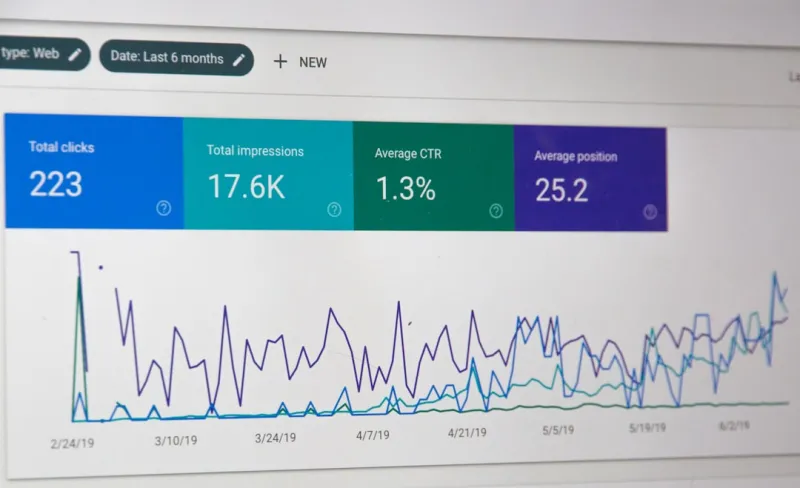
In 2024, data isn’t just a retrospective report; it’s a real‑time compass that tells us where to steer our SEO ship, and tools like Google Search Console, Ahrefs, and emerging AI‑powered analytics platforms provide granular insights into keyword performance, click‑through rates, and user behavior patterns. By setting up custom dashboards that track core metrics—organic impressions, average position, and conversion pathways—we can quickly identify content gaps, pinpoint pages that need refresh, and test micro‑variations in meta tags or schema markup to gauge impact. Moreover, leveraging predictive analytics allows us to anticipate upcoming trends, such as seasonal spikes or emerging topics, and proactively produce content that rides the wave before competitors even notice the swell. This iterative, data‑first mindset ensures that every SEO decision is backed by evidence, reducing guesswork and maximizing ROI on our optimization efforts.
Future‑Proofing with Structured Data and Voice Search
As voice assistants and AI chatbots become mainstream, Google’s reliance on structured data to deliver concise, conversational answers has skyrocketed, making schema markup an essential weapon in the modern SEO arsenal; by implementing FAQ, How‑To, and Product schemas, we not only enhance our chances of appearing in rich snippets but also position our content for voice‑first queries that prioritize quick, authoritative responses. I’ve observed that sites that meticulously tag their content with appropriate schema see a noticeable uplift in click‑through rates, as users are drawn to the highlighted information that answers their question at a glance. Additionally, optimizing for natural language—using long‑tail, question‑based phrases—aligns our pages with the way people speak to their devices, ensuring that our content remains discoverable whether it’s typed into a browser or spoken to a smart speaker. Embracing structured data today guarantees that we stay visible in the evolving search landscape of tomorrow.
Community and Authority: Building a Brand That Google Trusts
The final piece of the puzzle is cultivating a strong community presence that signals to Google that our brand is an authority worth promoting; this involves actively engaging on industry forums, publishing thought‑leadership pieces on platforms like LinkedIn Pulse, and fostering user‑generated content through reviews, comments, and social shares. By consistently delivering value and encouraging dialogue, we create a virtuous cycle where our audience not only consumes our content but also amplifies it, generating natural backlinks and social signals that reinforce our E‑E‑A‑T credentials. I’ve found that when users feel personally connected to a brand, they’re more likely to trust its recommendations, share its articles, and return for future insights—behaviors that Google interprets as strong trust signals. In essence, building a vibrant, interactive community transforms our SEO strategy from a technical checklist into a living, breathing ecosystem that thrives on authenticity and mutual value.

When it comes to the world of blogging and writing, Rose DesRochers is a name that stands out. Her passion for creating quality content and connecting with her audience has made her a trusted voice in the industry. Aside from her skills as a writer and blogger, Rose is also known for her compassionate nature.
Related Posts
Dominate Google’s Answer Boxes: A SaaS Guide to Featured Snippets and Passage Ranking
A practical guide for SaaS companies on winning Google’s featured snippets and passage ranking, co... Read More

Entity SEO: How to Harness Google’s Knowledge Graph for Ranking Power
Learn the power of entity‑centric SEO, how to map core concepts, use schema markup, and monitor Go... Read More
Surfing the 2024 Google SEO Tide: Rose DesRochers’ Insider Playbook
Rose DesRochers reveals a 2024 SEO playbook that blends intent‑first content, AI‑enhanced creati... Read More
Top Posts
Google SEO Trends 2024: Rose DesRochers’ Insider Playbook for Dominating the SERPs
Rose DesRochers reveals the 2024 SEO playbook, blending AI, contextual ranking, and user experience to help you dominate Google’s search results....Read More

Scaling International eCommerce SEO: A Blueprint for Multilingual Success
A practical guide for eCommerce brands to expand globally, covering URL structures, hreflang best practices, localized content creation, technical checklists, a...Read More

Micro‑Influencer Affiliate Networks: The Secret Sauce for Niche eCommerce Growth
Learn why micro‑influencer affiliate networks are the hidden growth engine for niche eCommerce, offering authentic reach, measurable ROI, and scalable success...Read More

Unlocking the Power of Intent‑First SEO: Fresh Tips for Dominating Search
Learn how to audit user intent, structure content clusters, use schema markup, and measure success with modern intent‑first SEO tactics that boost rankings an...Read More
0 Comments
Post Comment
You will need to Login or Register to comment on this post!