

Why Facebook’s Own Search Engine Deserves a Dedicated SEO Strategy
When most marketers think about SEO they immediately picture Google, but the reality is that billions of users start their discovery journeys inside Facebook’s native search bar, hunting for brands, products, and local services. Facebook internal search operates on a blend of social signals, content relevance, and user intent, creating a hidden frontier where a well‑crafted optimization plan can deliver a steady stream of qualified traffic without paying for ads. As a seasoned digital strategist who has watched the platform evolve from a simple social network into a multi‑purpose discovery engine, I’m convinced that treating Facebook search as a first‑class SEO channel is the smartest move any brand can make today.
Decoding the Black Box: How Facebook Ranks Search Results
Facebook’s algorithm evaluates three core pillars—engagement velocity, relevance to the searcher’s network, and semantic match to the query—by constantly analyzing likes, comments, shares, and the contextual language embedded in captions and comments. The more quickly a post garners authentic interaction, the higher its chance of surfacing in the “People Also Search For” carousel, while content that aligns tightly with the search terms used by a user’s friends and followers receives a relevance boost. Understanding these levers allows marketers to craft content that not only pleases the audience but also feeds the algorithm’s appetite for fresh, meaningful interactions.
Fine‑Tuning Your Profile: Names, Usernames, and the About Section
The first place Facebook looks when a user types a brand name is the profile’s public identifiers, so choosing a clear, keyword‑rich Page name and a concise, descriptive username is non‑negotiable. Your “About” section should incorporate primary and secondary keywords naturally, mirroring the language people use when they search for your services, while also highlighting unique value propositions that set you apart from competitors. By treating this meta data as the on‑page SEO of your Facebook presence, you give the platform the exact signals it needs to match your Page to relevant queries.
Embedding Keywords Into Every Post, Caption, and Alt Text
Every piece of content you publish on Facebook is an opportunity to signal relevance to the search engine, which means strategic keyword placement is essential in post copy, video descriptions, and even the alt text of images. Use long‑tail phrases that reflect real‑world search intent—such as “handcrafted vegan leather bags” instead of just “bags”—and sprinkle them naturally throughout the narrative to avoid sounding spammy. For a deeper dive into how internal linking can amplify these signals, check out Boost Your Rankings with a Tactical Internal Linking Strategy, which outlines techniques that translate perfectly to Facebook’s ecosystem.
Leveraging Reels and Stories as Fast‑Moving Ranking Signals
Short‑form video formats like Reels and Stories generate engagement spikes within minutes of posting, providing the velocity boost that Facebook’s search algorithm loves to reward. Craft compelling hooks in the first three seconds, embed relevant keywords in the overlay text, and encourage viewers to like or comment within the video’s caption to keep the momentum alive. Because these formats disappear after 24–48 hours, the urgency they create often leads to higher interaction rates, which in turn can propel the underlying Page higher in search results for the associated keywords.
Turning Facebook Events Into Evergreen SEO Assets
Events are not just calendar entries; they are content hubs that combine location data, date relevance, and rich descriptions—perfect ingredients for search relevance on both Facebook and external engines. When you create an event, fill out every field with keyword‑rich details, attach a high‑resolution cover image with alt text, and invite followers to share the event, amplifying its social proof. Post‑event, you can repurpose the attendee list and discussion thread as a testimonial reservoir, further reinforcing the Page’s authority around the event’s theme.
Deploying Open Graph and Instant Articles for Structured Data Power
Open Graph tags act as the schema markup of the Facebook universe, giving the platform explicit instructions about how to interpret and display your content in search results. By populating og:title, og:description, and og:image with concise, keyword‑laden values, you ensure that each link shared from your website appears with maximum relevance and click‑through potential inside Facebook’s search listings. Pair this with Instant Articles, which load instantly on mobile and provide a native reading experience, and you’ll see a measurable uplift in dwell time—a metric that Facebook’s algorithm treats as a strong relevance indicator.
Cross‑Channel Amplification: Linking From Your Site to Facebook and Vice Versa
A robust SEO strategy never lives in isolation; it thrives on the synergy between your website and social profiles. Embedding prominent, keyword‑anchored links to your Facebook Page on high‑traffic blog posts not only drives referral traffic but also signals to Facebook that your Page is a trusted destination, boosting its credibility in internal search. Conversely, include strategic calls‑to‑action in your Facebook posts that direct users back to pillar pages on your site, creating a virtuous loop that benefits both platforms. For inspiration on how to maximize these link equity flows, see Unlocking the hidden SEO power of Facebook pages, videos, and Marketplace, which showcases advanced tactics for cross‑platform visibility.
Tracking Success: Insights, Third‑Party Tools, and Continuous Optimization
Facebook Insights provides granular data on post reach, engagement, and search appearance, allowing you to pinpoint which keywords and content types are driving the most visibility. Supplement this with third‑party analytics platforms that can aggregate search term data across multiple social networks, giving you a holistic view of performance trends. By setting up regular reporting cycles—weekly for high‑velocity content like Reels and monthly for evergreen assets such as Events—you can iterate on your keyword strategy, experiment with new formats, and maintain a competitive edge in Facebook’s ever‑shifting search landscape.
Looking Ahead: Why Facebook Search Will Become Even More Critical
As privacy regulations tighten and users rely less on third‑party browsers, the social graph is emerging as the default gateway to discoverability, positioning Facebook’s internal search as a cornerstone of future digital marketing. Brands that invest now in optimizing their Page metadata, content signals, and cross‑channel link structures will reap the rewards of higher organic visibility, reduced paid acquisition costs, and stronger community trust. Embrace this emerging SEO frontier today, and you’ll watch your brand rise organically in the feeds where your customers already spend their time.

Ann Cinzar lives in Ottawa, Ontario with her husband Mike, daughter Rosie, and their dog Reese. She is passionate about family life and loves Canada.
Related Posts

Unlock the Hidden Power of Facebook SEO: A Strategic Guide for Marketers
Learn how to turn Facebook into an SEO engine with proven tactics for pages, groups, video, and AI-d... Read More

How Facebook Groups Can Supercharge Your SEO
Learn why Facebook Groups are a hidden SEO engine, how to structure them for search, and leverage Li... Read More

How Facebook Groups Can Supercharge Your Search Rankings
Learn the step‑by‑step strategy to leverage Facebook Groups for SEO, from structuring discussion... Read More
Top Posts
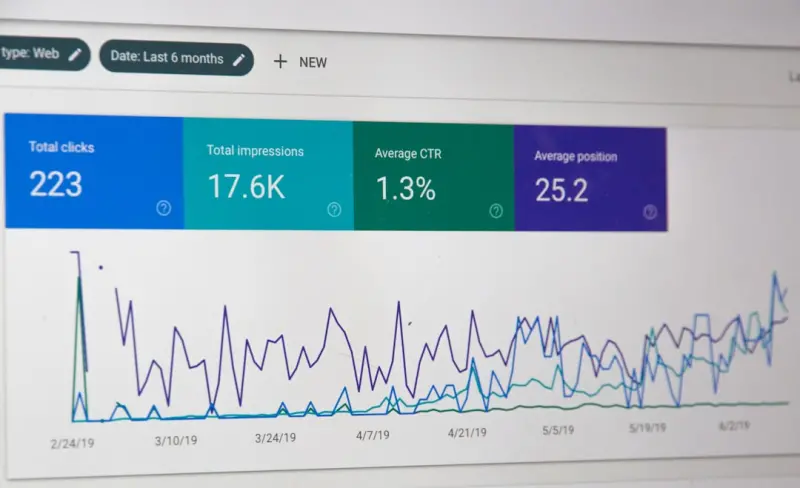
From Data to Dominance: Harnessing Search Console for SaaS SEO Success
Learn how to transform Google Search Console data into a strategic roadmap for SaaS SEO, covering query analysis, SERP features, device segmentation, internatio...Read More
Intent‑First Revolution Shapes the 2026 SEO Landscape
2026’s SEO story centers on the Intent‑First Revolution—AI‑powered, authority‑driven, and purpose‑focused. Learn how to adapt and thrive....Read More

Why Intent‑First SEO Is the Secret Sauce for Modern Rankings
Learn how an intent‑first mindset transforms your SEO approach, delivering higher rankings and deeper user engagement by focusing on real search purpose....Read More

Why Voice Search Is the Silent Salesperson in Your eCommerce Store
Voice assistants are becoming the quiet sales reps in shoppers' homes. Learn how structured data, conversational content, and cross‑channel integration can tu...Read More
0 Comments
Post Comment
You will need to Login or Register to comment on this post!