

When marketers talk about SEO, the conversation often orbits around Google, Bing, or even emerging AI‑driven engines, yet the reality is that Facebook’s sprawling ecosystem quietly feeds search relevance signals that can tip the scales for your brand’s visibility, and this dynamic is anything but accidental; every like, comment, and share creates a data point that search algorithms interpret as social proof, while the platform’s internal graph search engine surfaces pages based on relevance, authority, and engagement, meaning that a well‑crafted Facebook presence can become a silent powerhouse that amplifies organic traffic without the need for costly backlinks, and for those who understand the mechanics, the payoff is a measurable lift in rankings that translates into higher click‑through rates and deeper audience penetration.
Why Facebook Matters for SEO
Facebook’s internal search engine, often overlooked, indexes public pages, groups, and events with a depth that rivals traditional web crawlers, and because the platform aggregates user behavior—such as how frequently a post is saved or how quickly a comment thread grows—it can surface your content in response to queries that Google may not yet have indexed, which creates a dual‑layered visibility model where a single piece of content can appear both in a Facebook feed and in a SERP snippet, especially when users embed links that point back to your site, thereby establishing a two‑way street of authority that both platforms can exploit for ranking benefits; the key is to treat Facebook as an extension of your SEO strategy rather than a separate social media silo.
Beyond the native search, Facebook’s integration with the broader internet ecosystem means that social signals—likes, shares, and comment volume—are increasingly factored into Google’s ranking algorithms, a trend that has been confirmed by multiple case studies showing a correlation between high engagement rates on social posts and improved keyword rankings, and this correlation is not merely anecdotal; it reflects Google’s intent to surface content that users have already endorsed in real‑world social contexts, so when your Facebook page consistently produces high‑quality, engaging material, you are essentially feeding the algorithm a continuous stream of validation that can boost your domain authority and accelerate indexation for new pages.
On‑Page Facebook Optimization
Just as you would fine‑tune meta titles and header tags on a website, your Facebook Page deserves a parallel level of precision, starting with the Page name and username, which should incorporate primary keywords without sounding forced, followed by a meticulously crafted “About” section that weaves in secondary terms and a concise brand story, while also selecting the most relevant categories to align your page with industry‑specific searches, and don’t underestimate the power of a compelling call‑to‑action button; every element—from the profile picture to the cover image—should be optimized for both branding consistency and keyword relevance, because Facebook’s algorithm parses these cues when ranking pages in both internal and external search results.
Open Graph tags, often dismissed as a developer‑only concern, are in fact a cornerstone of Facebook SEO, as they dictate how your shared links appear on the platform, influencing click‑through rates and engagement, and by pairing these tags with structured data on your website—see our guide on Structured Data Strategies—you ensure that each post not only looks attractive but also conveys clear, machine‑readable context to both Facebook’s scraper and Google’s indexer, resulting in richer previews that encourage users to interact and thereby amplify the social signals that feed back into search rankings.
Content & Community Tactics
Content on Facebook must be purpose‑built for the platform’s unique consumption patterns, which means leveraging native video, live streams, and short‑form Reels to capture attention within the first few seconds, while also embedding strategic hashtags that act as micro‑taxonomies, allowing your posts to surface in niche feeds and be discoverable by users who may not follow your page directly, and the algorithm rewards consistency, so a calendar that balances evergreen educational posts with timely, trend‑aligned content creates a rhythm that sustains engagement and signals reliability to both Facebook and Google.
Facebook Groups represent an often‑underutilized SEO asset; by curating a niche‑specific community where members actively discuss topics related to your industry, you generate a reservoir of user‑generated content that Google can crawl, and each time a group member shares a link back to your blog or product page, you earn contextual backlinks that are both relevant and highly trusted, especially when the group’s authority grows through member participation and moderator oversight, turning the group into a living SEO hub that feeds authority signals back to your main site.
Bridging Facebook and Your Website
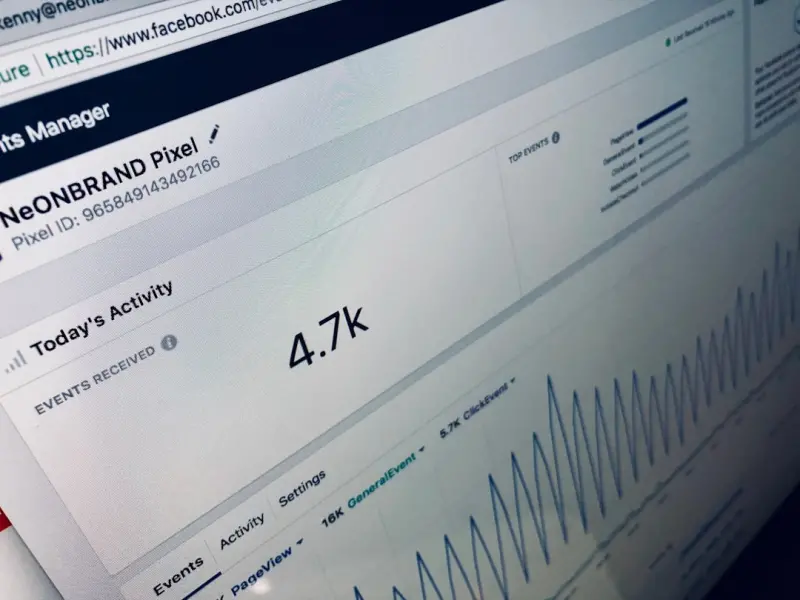
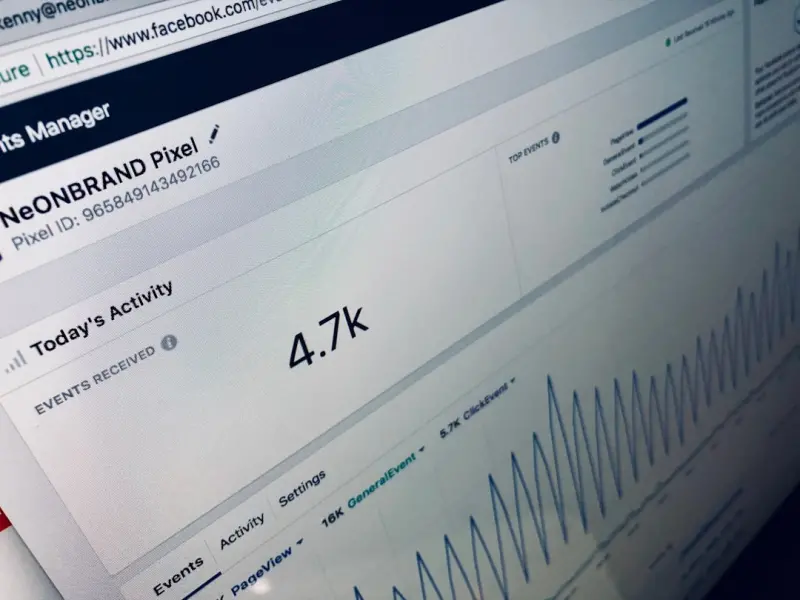
The most potent SEO boost comes from creating a seamless feedback loop between Facebook and your owned web properties, which starts with embedding compelling “Read More” links in your posts that direct traffic to optimized landing pages, and continues with the use of Facebook Pixel data to retarget engaged users with personalized content that encourages repeat visits and deeper on‑site interaction, thereby increasing dwell time—a metric that search engines interpret as a sign of content relevance and quality.
Measuring the impact of Facebook on your SEO performance requires a blend of analytics tools, from Facebook Insights to Google Search Console, and by tracking metrics such as referral traffic spikes, social sharing velocity, and the emergence of brand‑related queries in SERPs, you can quantify the contribution of social signals to ranking improvements; furthermore, incorporating Zero‑Click Search tactics—like crafting concise, answer‑oriented posts that appear in featured snippets—amplifies the synergy between Facebook content and search visibility, ensuring that every piece of social media effort translates into tangible, searchable value.

Jimmy Damon loves to right on a large scale of topics with all things Canadian as this Montreal die hard loves hockey. fishing and sports.
Related Posts
Cracking Facebook Search: A SaaS Playbook for Hidden Discovery
Discover a step‑by‑step framework to optimize your Facebook page, content, and groups for search... Read More
Facebook Groups: The Untapped SEO Engine for SaaS Brands
Learn why Facebook Groups are the hidden SEO powerhouse for SaaS, with a step‑by‑step framework ... Read More

Unlocking Facebook’s Search Engine: A Playbook for Brands
Discover a comprehensive guide to mastering Facebook SEO—optimizing your Page, leveraging the Grap... Read More
Top Posts
The Art of Semantic On‑Page SEO: Elevate Rankings with Structured Content
Learn to harness semantic HTML, strategic internal links, and optimized media to supercharge on‑page SEO, improve rankings, and deliver a superior user experi...Read More
Going Global: International SEO Blueprint for SaaS Companies
International SEO is essential for SaaS growth. This guide walks you through market prioritization, technical setup, content localization, keyword research, lin...Read More

Content Hubs: The On‑Page Engine That Powers SaaS Growth
Learn a step‑by‑step method for creating content hubs that consolidate expertise, enhance internal linking, and drive organic traffic, turning on‑page SEO...Read More

Why User Engagement Signals Are the New Backbone of Google’s Algorithm
This article reveals how Google’s algorithm prioritizes user engagement signals like dwell time and scroll depth, offering SaaS marketers a practical framewor...Read More
0 Comments
Post Comment
You will need to Login or Register to comment on this post!