
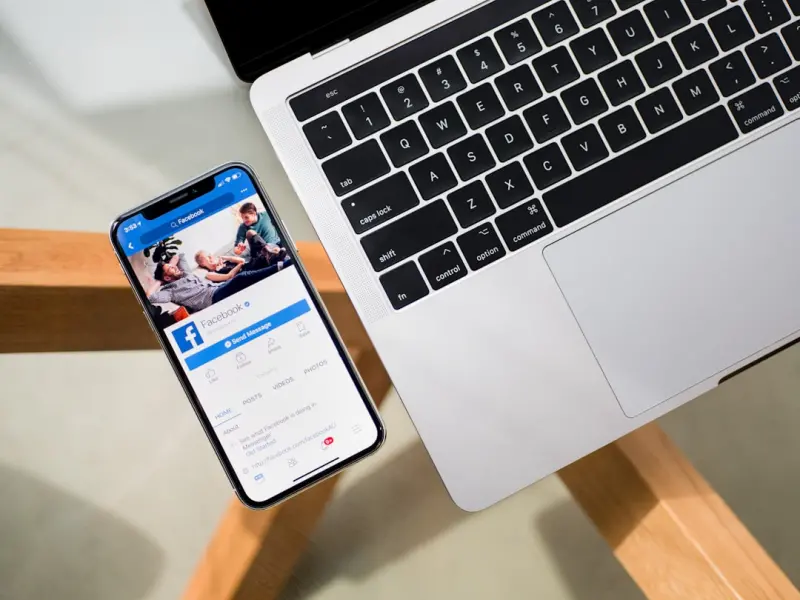
Why Facebook Is More Than a Social Feed
When most marketers think “search engine,” Google instantly comes to mind. Yet Facebook runs a massive, under‑the‑radar search engine that powers everything from people finding friends to brands being discovered in niche communities. For SaaS companies, this hidden search layer is a goldmine—if you know how to speak its language.
Unlike Google’s open web crawl, Facebook’s search lives inside a closed ecosystem, meaning you have full control over the signals you emit. Every page, post, comment, and reaction contributes to a relevance score that determines whether your solution surfaces when a prospect types a query like “best project management tool for remote teams.” If you align your Facebook assets with the way the platform evaluates relevance, you can capture high‑intent traffic that never even reaches a traditional search engine.
The Anatomy of Facebook’s Internal Search
Facebook’s search algorithm is a blend of three core pillars:
- Content relevance: Keywords, hashtags, and natural language patterns that match the user’s query.
- Social signals: Likes, shares, comments, and the authority of the profile or page that created the content.
- Contextual cues: The user’s location, past interactions, group memberships, and even the device they’re using.
Understanding these pillars helps you reverse‑engineer the system. For instance, a post that garners a surge of authentic comments from recognized industry thought leaders will outrank a static page with the same keyword density but no engagement. That’s why Entity SEO: The Next Frontier for SaaS Brands emphasizes authority signals—Facebook’s version of authority is just as potent, only it lives in likes, shares, and group activity.
Optimizing Your Facebook Page for Discoverability
Think of your Facebook Page as a mini‑website that lives inside the graph. Here’s a checklist to make it search‑ready:
- Page name and username: Include a primary keyword (e.g., “TaskFlow SaaS”) without stuffing. The username becomes part of the URL, so keep it clean.
- About section: Use natural language to describe your product, sprinkle in long‑tail phrases, and link back to your website for credibility.
- Cover image and profile picture: While not direct SEO factors, they affect click‑through rates when your page appears in search results.
- Call‑to‑action (CTA) buttons: Choose “Learn More” or “Sign Up” and ensure the landing page is optimized for conversion.
- Category selection: Pick the most precise category (“Project Management Software”) to align with query intent.
Every field is a chance to embed a keyword naturally, but avoid over‑optimization. Facebook penalizes keyword stuffing with reduced reach, so keep the language conversational.
Hashtags and Keywords: The New Frontier
Hashtags on Facebook work similarly to those on Instagram, but they’re also indexed by the platform’s search engine. A well‑crafted hashtag strategy can dramatically increase the discoverability of your content.
Start with a three‑tier approach:
- Branded hashtags: Create a unique tag (e.g.,
#TaskFlowTips) and encourage employees and customers to use it. - Community hashtags: Tap into existing conversations like
#RemoteWorkToolsor#ProductivityHacks. These are searchable terms that already have audience intent. - Event‑specific hashtags: For webinars or product launches, craft a one‑off tag to aggregate all related chatter.
When you add a hashtag, Facebook treats it as a clickable keyword. Users can click the tag and see a feed of all public posts that used it—effectively creating a mini‑search results page for your niche. This amplifies reach beyond your immediate follower base.
Video & Live: Signals Search Loves
Facebook prioritizes video, especially live streams, in its internal search. The platform’s algorithm detects video duration, watch time, and engagement to gauge relevance. Here’s how to leverage video for SEO:
- Short, keyword‑rich intros: The first 15 seconds should include your primary keyword phrase (“SaaS project management for remote teams”). Facebook can auto‑generate captions, so speak clearly.
- Closed captions: Upload a .srt file; captions are crawled for text signals, boosting relevance.
- Thumbnail optimization: Use a clear, branded image with overlay text that includes your keyword.
- Encourage comments: Prompt viewers to ask questions; the resulting discussion adds fresh, keyword‑rich content that Facebook loves.
Live sessions also generate real‑time engagement spikes. After the stream, the replay remains searchable, and the comments persist as evergreen content. Treat each live event as an SEO asset that can be repurposed across channels.
Community Groups as Authority Hubs
Groups are the beating heart of Facebook’s niche search. When users type a query, the platform often surfaces relevant groups before individual pages. Positioning your brand as an authority within the right groups can catapult you into the top search slots.
Steps to dominate group SEO:
- Identify high‑quality groups: Look for groups with 5K–50K members, active discussions, and a clear focus (e.g., “Remote Project Management Professionals”).
- Participate authentically: Answer questions, share insights, and avoid overt self‑promotion for the first few weeks.
- Pin valuable resources: Once you’ve built trust, share a link to a helpful guide or webinar hosted on your site. Facebook’s algorithm recognizes pinned posts as “highlighted content” and may surface them in search.
- Create a branded group: If there isn’t a perfect fit, start your own. Use a keyword‑rich name (“TaskFlow Remote Teams Community”) and optimize the group description.
Groups also provide a trove of user‑generated content—questions, pain points, and terminology—that you can mine for keyword ideas, aligning your page’s SEO with the actual language your audience uses.
Cross‑Channel Signals & AI
Facebook’s AI models are increasingly aware of activity across the entire Meta ecosystem (Instagram, WhatsApp, Messenger). Signals from one platform can boost relevance on another. For example, a strong Instagram hashtag strategy can reinforce your Facebook search authority.
In How AI Search Is Redefining User Experience in SaaS Platforms, we explore how AI personalizes results based on user behavior. On Facebook, this means that if a prospect has previously interacted with your brand on Messenger, they’re more likely to see your page when they search for related keywords. Leverage this by:
- Integrating Messenger bots that answer common queries—these conversations become searchable content.
- Running Instagram Stories with the same hashtags and linking back to Facebook posts, creating a cross‑platform relevance loop.
- Encouraging satisfied customers to leave reviews on both Facebook and third‑party sites, feeding AI models with positive sentiment signals.
Measuring Success on Facebook Search
Traditional Facebook metrics (reach, impressions) don’t tell the whole SEO story. Here’s a KPI framework tailored for search performance:
- Search impressions: Use the “Page Insights > Searches” report to see how often your page appears in search results.
- Click‑through rate (CTR) from search: Compare the number of clicks to impressions to gauge relevance.
- Engagement rate on search‑originated posts: Higher comments and shares indicate strong intent.
- Lead conversion from search traffic: Tag URLs with UTM parameters (e.g.,
utm_source=fb_search) to track downstream conversions.
Set quarterly benchmarks and iterate. If a post’s CTR is low, revisit the headline, thumbnail, or hashtag usage. If search impressions decline, audit your page’s “About” section for outdated keywords.
Putting It All Together: A 30‑Day Action Plan
To move from theory to results, follow this concise roadmap:
- Week 1 – Audit & Baseline: Capture current search impressions, audit page fields for keyword inclusion, and identify 3‑5 relevant groups.
- Week 2 – Content Overhaul: Refresh the About section, update the username if needed, and create a branded hashtag guide. Publish a short “intro video” optimized for captions.
- Week 3 – Community Activation: Join identified groups, contribute valuable answers, and pin a link to a new guide. Launch a live Q&A using the branded hashtag.
- Week 4 – Amplify & Analyze: Promote the live replay, run a small boost targeting group members, and pull the new KPI report. Adjust hashtags and video thumbnails based on performance.
Repeat the cycle, each time expanding into new groups, testing longer video formats, and refining your keyword list based on emerging search trends.
Future‑Proofing Your Facebook SEO Strategy
Facebook continues to evolve—new features like Reels, Shops, and AI‑driven “Suggested Content” will reshape how search works. Stay ahead by:
- Monitoring Meta’s product announcements.
- Experimenting early with emerging formats (e.g., Reels for quick demos).
- Continuously harvesting user language from comments and group discussions for fresh keyword ideas.
Remember, the goal isn’t just to rank; it’s to become a trusted answer in the moments when prospects are actively researching solutions. When you blend solid page optimization, strategic hashtags, video engagement, and community authority, Facebook’s internal search becomes a powerful, underutilized acquisition channel for SaaS brands.

When it comes to the world of blogging and writing, Rose DesRochers is a name that stands out. Her passion for creating quality content and connecting with her audience has made her a trusted voice in the industry. Aside from her skills as a writer and blogger, Rose is also known for her compassionate nature.
Related Posts
Unlocking Facebook SEO: Turning Social Signals into Search Power
Discover fresh tactics to blend Facebook engagement with SEO, from optimizing pages and groups to le... Read More
Unlocking Facebook SEO: How Groups, Events, and Metadata Drive Organic Discovery
Learn how to turn Facebook groups, events, and smart metadata into powerful SEO assets that attract ... Read More

Facebook Events as a Secret SEO Weapon for SaaS Growth
Learn to treat Facebook Events like mini‑landing pages, optimize them for keywords, and integrate ... Read More
Top Posts
SEO News Flash: Rose DesRochers Decodes the Biggest Google Shifts of 2024
Rose DesRochers breaks down the most impactful 2024 SEO updates, from algorithm shifts to AI‑driven content tactics, offering actionable insights for immediat...Read More

Structured Data: The SaaS SEO Game‑Changer You’ve Overlooked
Discover why structured data is the hidden lever for SaaS SEO success, with a step‑by‑step playbook that combines schema markup, edge delivery, and predicti...Read More

Visual Search Mastery: Turning Images into SEO Gold
Discover actionable visual‑search strategies—from image naming and schema markup to leveraging user‑generated photos and platform‑specific tips—that c...Read More
Inside the 2024 Google SEO Playbook: Rose DesRochers Breaks It Down
Rose DesRochers unveils the 2024 Google SEO playbook, highlighting AI‑assisted content, Core Web Vitals, and E‑A‑T strategies that marketers need to domin...Read More
0 Comments
Post Comment
You will need to Login or Register to comment on this post!