

Why Facebook SEO Is the Missing Piece in Your Growth Engine
When most marketers talk about SEO, the conversation instantly pivots to Google, Bing, or the occasional niche search engine. Rarely does anyone mention Facebook as a search destination, even though the platform processes billions of queries daily through its own internal search, Graph API, and the ever‑evolving Facebook Marketplace. Ignoring this massive, semi‑closed ecosystem is like leaving a gold mine untapped because you’re focused on the surface.
The Dual Nature of Facebook Search
Facebook functions as both a social network and a discovery engine. On one side, users type brand names, product categories, or even industry‑specific questions into the search bar, expecting instant, socially‑verified answers. On the other side, Facebook’s public pages, groups, events, and video content are indexed by external search engines, meaning your Facebook activity can influence traditional SERPs. This dual nature creates a powerful feedback loop:
- Internal discovery: Your page, posts, and community content surface when users search on the platform.
- External impact: High‑engagement Facebook assets earn social signals that can boost rankings on Google, Bing, and even emerging AI‑driven search interfaces.
Mapping the Facebook Ecosystem for SEO
Before you start tweaking titles or sprinkling keywords, you need a clear map of the assets that Google and Facebook can crawl:
- Business Page: The central hub – name, About section, categories, and contact info.
- Posts & Stories: Short‑form updates that can appear in internal search snippets.
- Videos & Reels: Rich media with auto‑generated captions that are indexable.
- Groups: Community‑driven discussions that often rank highly for niche queries.
- Events: Timely signals for local or industry‑specific searches.
- Marketplace listings: For product‑centric brands, these can rank both on Facebook and Google Shopping.
Optimizing Your Business Page – The Foundation
Think of your Facebook Business Page as a miniature website. It needs clean, structured data and a user‑first narrative:
- Choose the right primary category. Facebook allows one primary and up to three secondary categories. Pick the most specific option—e.g., “Enterprise SaaS Provider” rather than a generic “Software Company.”
- Craft a keyword‑rich “About” section. While you don’t want to stuff, naturally incorporate the phrases prospects use in search. Example: “We deliver AI‑powered analytics for B2B SaaS marketing teams.”
- Leverage the “Custom Tabs” feature. Add a “Resources” tab linking to your knowledge base; this creates a pathway for both users and crawlers.
- Validate your page with the Facebook Business Suite. A verified badge signals trust to both Facebook’s algorithm and external search engines.
Content Strategies That Win Internal Search
Facebook’s search algorithm prioritizes relevance, recency, and engagement. Here’s how to hit all three:
- Answer‑first posts. Structure updates to address a specific question. Begin with the answer, then expand. Example: “Yes, our platform now supports multi‑currency invoicing. Here’s how you can enable it…”
- Use native hashtags. Unlike Instagram, Facebook treats hashtags as searchable keywords. Limit to 2–3 highly relevant tags per post.
- Pin high‑performing content. The pinned post occupies the top slot on your page, making it the first thing internal search crawlers encounter.
- Schedule for freshness. Consistency signals to the algorithm that your page is actively maintained.
Facebook Groups: Authority Hubs You Can Own
Groups are the unsung heroes of Facebook SEO. A well‑curated group can outrank a brand’s own page for many industry queries because it signals community endorsement. Follow these steps:
- Choose a tight niche. Instead of “SaaS Marketing,” try “Growth Hacks for B2B SaaS Startups.”
- Set clear rules. High‑quality discussions attract subject‑matter experts, which in turn boosts engagement metrics.
- Seed content with long‑tail keywords. Write discussion starters that mirror real search queries, such as “How do I integrate our SaaS product with HubSpot without a developer?”
- Promote cross‑linking. Occasionally reference your Business Page or blog articles—this creates a backlink network inside the Facebook domain.
When done right, the group’s feed becomes a living FAQ that surfaces in both Facebook and Google SERPs.
Video & Reels: The Searchable Media Frontier
Facebook’s video algorithm is heavily weighted toward watch time and engagement. Optimizing video for search involves three layers:
- Title & Caption Optimization. Include your primary keyword within the first 60 characters of the video title and embed the same term in the auto‑generated captions.
- Thumbnail Selection. A compelling thumbnail increases click‑through, which is a ranking factor for internal search.
- Closed Captions & Transcripts. Upload a .srt file; the text becomes indexable, boosting both Facebook and external search visibility.
Short‑form Reels are especially potent because they appear in the Explore feed, reaching users who aren’t yet following you. Treat each Reel as a micro‑landing page, complete with a keyword‑rich caption and a call‑to‑action that drives traffic back to your site or group.
The Social Signal Advantage – From Facebook to Google
Google’s ranking algorithms consider social signals—likes, shares, comments, and video views—as indirect indicators of content relevance and authority. While the exact weight remains proprietary, studies consistently show a correlation between high engagement on Facebook and improved rankings on Google’s Knowledge Graph. To maximize this advantage:
- Encourage meaningful comments. Prompt users with open‑ended questions; more in‑depth comments generate richer text for crawlers.
- Leverage “Share to Story” features. When users reshare your post to their story, you gain a secondary exposure layer that Google can index.
- Integrate user‑generated content (UGC). Feature customer testimonials in posts and videos; the authentic language diversifies your keyword footprint.
Data‑Driven Tactics (and a Few Insider Resources)
Just as we rely on generative search insights to predict emerging keyword trends, you can apply similar thinking to Facebook. Use the Facebook Audience Insights tool to uncover the exact phrases your target personas type into the search bar. Export the data, map it against your existing content, and identify gaps.
For a quick win, combine your Facebook analytics with the methodology from real‑time SEO tactics. When a trend spikes on the platform, publish a timely post or Reel within 24‑48 hours to capture the surge.
Lastly, remember that user interaction signals on Facebook—such as click‑through rates on call‑to‑action buttons—can be fed back into your broader SEO dashboards, allowing you to refine both social and search strategies in lockstep.
Measuring Success – KPIs That Matter
Traditional SEO metrics (organic traffic, keyword rankings) still apply, but you’ll need a few Facebook‑specific KPIs to close the loop:
- Search Impressions. Available in the Facebook Page Insights under “Page Discovery.” Track the number of times your page appears in internal search results.
- Engagement Ratio. Divide total reactions, comments, and shares by impressions to gauge relevance.
- Referral Traffic from Facebook. Use UTM parameters on links shared in posts and groups to attribute clicks in Google Analytics.
- Video Completion Rate. Higher completion rates signal strong relevance, which can boost both Facebook and external rankings.
Future Trends – What’s Next for Facebook Search?
Facebook is experimenting with AI‑generated summaries and voice‑search capabilities. While the feature set is still in beta, early adopters can gain a first‑mover advantage by:
- Optimizing audio transcripts for voice queries.
- Structuring content in a question‑answer format that aligns with AI‑driven snippet generation.
- Monitoring the rollout of Facebook Graph Search 2.0, which promises deeper integration with external search engines.
Staying ahead means treating Facebook not as a static social channel but as a dynamic, searchable knowledge base that evolves alongside AI.
Takeaway – Build a Seamless Search Experience Across Platforms
Facebook SEO isn’t a side project; it’s a core pillar of a modern, omnichannel growth strategy. By treating your Business Page, posts, groups, and video assets as interlinked, searchable properties, you create a virtuous cycle: internal discovery drives engagement, engagement fuels social signals, and social signals amplify your presence on Google. The result is a unified brand narrative that lives wherever your prospects are looking—whether that’s on Facebook’s own search bar or the Google SERP on their laptop.

Craig Brett is a freelancer with a passion for the outdoors. His love for nature inspires his work, bringing authentic and engaging perspectives to projects related to outdoor activities, adventure, and environmental topics.
Related Posts

Cracking Facebook’s Internal Search: A Fresh SEO Playbook
Learn to optimize your Facebook Page, posts, Reels, and Events for Facebook’s internal search, boo... Read More

Unlocking Facebook Marketplace: The SEO Blueprint No One Talks About
Learn how to treat Facebook Marketplace listings like SEO‑optimized landing pages, from keyword re... Read More

From Social Graph to SERP: Turning Facebook Community Signals into SEO Gold
Discover how to transform Facebook community interactions into powerful SEO assets, using user‑gen... Read More
Top Posts

Turn Your SaaS Onboarding Flow into an SEO Powerhouse
Learn to treat every step of your SaaS onboarding experience as searchable content. This guide shows you how to map intent, use structured data, leverage intern...Read More

Why Headless WordPress Is the SEO Power‑Move You’ve Been Ignoring
Going headless with WordPress gives you granular control over performance, structured data, and content freshness—key factors that modern search engines rewar...Read More
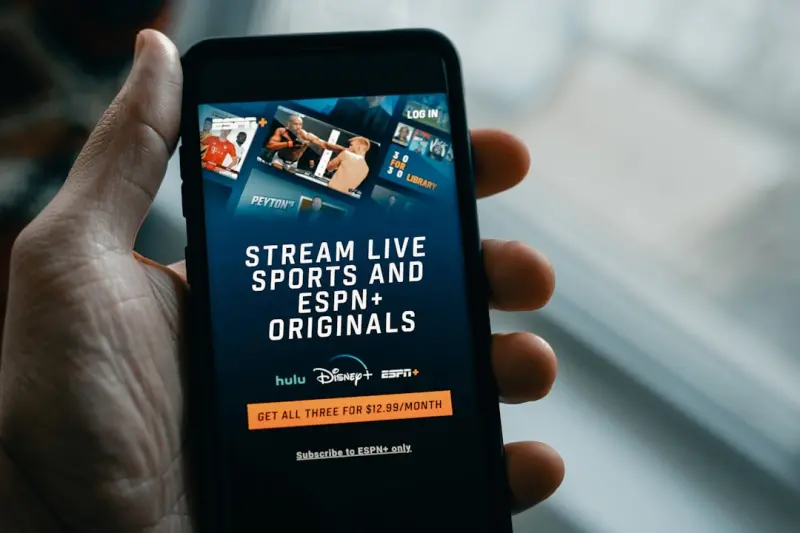
Shoppable Live Streams: The Next Frontier for eCommerce Growth
Explore the power of shoppable live streams, from platform selection and host strategy to data‑driven optimization, and learn how to turn real‑time interact...Read More

AI‑Generated Answer Cards: The New Front‑Page Real Estate for SaaS Brands
AI answer cards are reshaping search results, pushing traditional links down. This guide shows SaaS marketers how to structure content, leverage data, and track...Read More
0 Comments
Post Comment
You will need to Login or Register to comment on this post!