

Understanding the Intent‑First Shift
When I first stared at the Google SERP a decade ago, the rulebook felt almost mechanical—identify a high‑volume keyword, embed that exact phrase throughout your title, headers, and body copy, and then cross my fingers that the algorithm would reward sheer frequency, a strategy that seemed as straightforward as counting beans on a kitchen counter, yet left countless creators frustrated when their meticulously optimized pages mysteriously vanished into obscurity. Intent‑first SEO emerged not as a fleeting trend but as a seismic correction, urging marketers to step back from the endless parade of exact‑match phrases and instead ask what the user truly hopes to achieve, how they frame their problem, and which nuanced signals Google now interprets as the heartbeat of relevance.
Why Traditional Keyword Stuffing Is Dead
In the old world, success was measured by the sheer density of a target phrase, a mindset that encouraged content farms to churn out repetitive paragraphs that satisfied bots rather than humans, leading to a proliferation of thin, low‑value pages that ultimately eroded trust in the ecosystem; today, Google’s machine‑learning models have grown sophisticated enough to penalize such tactics, rewarding depth, context, and the organic flow of language that mirrors genuine conversation. As I pivoted my own strategy, I discovered that aligning with Intent‑First SEO: A Fresh Perspective on Ranking Success meant re‑educating my team to think less like data entry clerks and more like empathetic problem‑solvers, a transformation that not only lifted rankings but also sparked authentic engagement from audiences who finally felt heard.
Crafting Content That Serves User Purpose
At the heart of the modern approach lies a simple question: what is the user trying to accomplish when they type that query, and how can my page become the most efficient conduit to their goal, whether that goal is to learn, purchase, compare, or simply be entertained; answering this requires a deep dive into audience personas, journey mapping, and a willingness to restructure content hierarchies so that the most critical information surfaces within the first few hundred words. By treating each piece of content as a micro‑experience designed around a singular intent, I’ve watched bounce rates shrink dramatically, dwell time expand, and conversion pathways smooth, proving that the algorithm rewards not just relevance but relevance delivered with clarity and purpose.
Technical Foundations for Intent‑First SEO
Even the most eloquent, user‑centric copy can falter if the technical scaffolding fails to signal intent effectively, which is why I obsess over schema markup, structured data, and the strategic placement of FAQs that directly echo the phrasing users employ in voice search; implementing search intent-aligned schema not only enhances rich‑snippet eligibility but also feeds Google clearer signals about the page’s purpose, reducing the likelihood of misinterpretation. Additionally, site speed, mobile‑first design, and logical URL structures act as silent ambassadors of intent, reinforcing the narrative that the page is built for humans first and crawlers second.
Measuring Success in an Intent‑Driven World
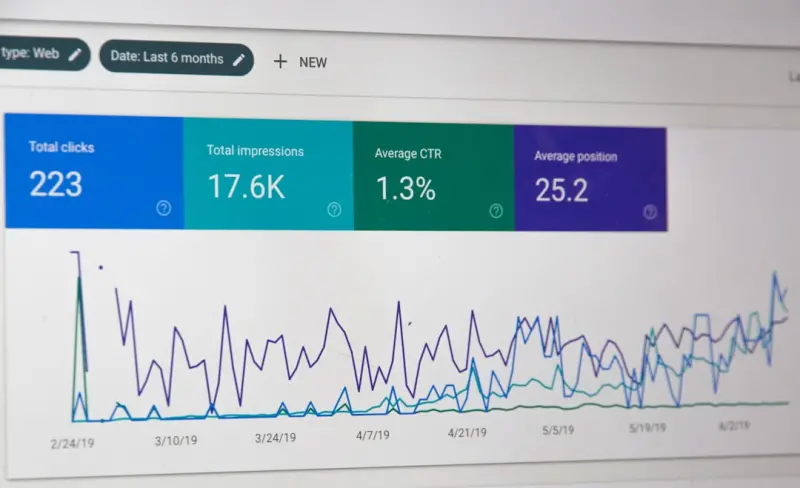
Metrics have evolved alongside strategy; while traditional KPI’s like keyword rank positions still hold value, they no longer paint the full picture, prompting me to incorporate intent‑focused indicators such as query‑to‑click alignment, SERP feature capture rates, and micro‑conversion events that reflect incremental steps toward the user’s end goal; tools like Google Search Console now surface “search intent” classifications, allowing analysts to match content performance against the specific intent categories—informational, navigational, transactional, and investigational—thereby revealing gaps and opportunities previously hidden behind aggregate rankings. By embracing these nuanced dashboards, I can iterate with surgical precision, amplifying the parts of my strategy that genuinely move the needle.
Building an Intent‑First Mindset Across Teams
Transitioning from a keyword‑centric to an intent‑centric culture demands more than a checklist; it requires storytelling, workshops, and a shared vocabulary that frames every editorial decision as a question of purpose, a methodology I reinforced through weekly “intent labs” where copywriters, designers, and SEO specialists collaboratively dissected real‑world queries, mapped out user journeys, and rewrote headlines to mirror natural language; this collaborative friction not only surfaces blind spots but also empowers each stakeholder to become an advocate for relevance, turning the SEO process from a siloed technical task into a cross‑functional mission. The result is a cohesive brand voice that resonates across touchpoints, driving both brand loyalty and algorithmic favor.
Leveraging the Intent‑First Playbook
For those seeking a pragmatic roadmap, I often point colleagues to Master the Intent‑First Playbook: Proven SEO Tips for Today's Search Landscape, a resource that distills months of experimentation into actionable steps, from audit frameworks that surface intent gaps to content templates that embed user questions at strategic intervals, ensuring every paragraph answers a piece of the puzzle. By following this playbook, teams can systematically replace outdated keyword stuffing with a layered approach that blends topical authority, semantic richness, and clear call‑to‑action pathways, creating a virtuous cycle where search engines reward relevance and users reward relevance with loyalty.
Adapting to Emerging Search Behaviors
As voice assistants, AI‑driven chat interfaces, and personalized feeds become mainstream, the definition of “search intent” expands beyond static text queries to include conversational prompts, contextual cues, and even visual inputs; anticipating this shift means training content models to understand nuances like “near me” intent, multi‑step problem solving, and the subtle differences between “how to fix a leaky faucet” and “best faucet repair services in my area,” each demanding a distinct SERP strategy. By staying attuned to these emerging patterns, marketers can position their sites to capture early footholds in nascent SERP features, turning potential disruption into a competitive advantage.
Future‑Proofing Your SEO Strategy
In the long run, the only sustainable path to dominance is to embed intent into the DNA of every digital asset, treating it as a living organism that must evolve alongside user expectations and algorithmic refinements, a philosophy championed in The Intent‑First Mindset: Redefining Google SEO for Modern Marketers, where the emphasis shifts from chasing fleeting rank spikes to cultivating lasting relevance; this involves continuous learning, iterative testing, and a willingness to let data guide narrative choices rather than clinging to nostalgic SEO myths. When you embrace this mindset, the algorithm becomes a partner rather than an adversary, and your brand earns the kind of organic visibility that endures beyond any single update.
Conclusion: Intent Is the New Currency
Looking back, the journey from keyword obsession to intent mastery feels like moving from a monochrome sketch to a vibrant, interactive tableau, where every brushstroke is guided by the user’s underlying purpose and every color choice reflects genuine relevance; today, success is measured not just by rankings but by how seamlessly a page translates curiosity into satisfaction, how effortlessly it guides a visitor from question to solution, and how consistently it aligns with the ever‑refining signals that Google’s AI interprets as trust. By internalizing these principles, we not only future‑proof our SEO investments but also honor the core mission of the internet: to connect people with the answers they seek, in the most intuitive and human way possible.

When it comes to the world of blogging and writing, Rose DesRochers is a name that stands out. Her passion for creating quality content and connecting with her audience has made her a trusted voice in the industry. Aside from her skills as a writer and blogger, Rose is also known for her compassionate nature.
Related Posts

Cracking Google Discover for B2B SaaS: A Playbook
Google Discover isn’t just a consumer feed—it’s a powerful, interest‑driven channel that B2B... Read More

Why Intent-First SEO Is Redefining Google Rankings
Explore the shift to intent‑first SEO, learn why speaking the searcher’s language matters, and g... Read More

The Intent‑First SEO Playbook: From Theory to Real Rankings
Learn why intent‑first SEO is essential, how to craft content that meets user intent, and practica... Read More
Top Posts

Core Web Vitals on Mobile: The SaaS Ranking Secret
Core Web Vitals are the new gatekeepers of mobile SEO. This post walks SaaS marketers through diagnosing, fixing, and integrating LCP, FID, and CLS into a conti...Read More

Tapping TikTok: SEO Tips for Short‑Form Video Dominance
Short‑form video is reshaping search. Learn proven SEO tactics for TikTok, from keyword‑rich captions to signal‑driven rankings, and future‑proof your b...Read More

Predictive Bidding: How Machine Learning is Redefining SEM Strategies
Predictive bidding transforms paid search from manual, rule‑based adjustments to AI‑powered, intent‑driven optimization. Learn the data foundations, strat...Read More
Visual Search SEO: Turning Images into Traffic Magnets
Visual search is reshaping how users discover content. This guide walks you through image optimization, structured data, user‑generated visuals, and measureme...Read More
0 Comments
Post Comment
You will need to Login or Register to comment on this post!