

Embracing the Intent-First Mindset
When I first started optimizing for Google, I chased rankings with the same old keyword‑centric tactics that had dominated the industry for a decade. Over time, the algorithm’s evolution forced me to listen more closely to the questions, emotions, and problems that real users bring to the search bar, and that shift has completely rewired my approach. Today, intent‑first SEO isn’t a nice‑to‑have add‑on; it’s the foundation on which every successful Google strategy is built, and the difference between fleeting traffic and sustainable growth.
The Business Case for Intent‑First SEO
Marketers who still prioritize exact‑match keywords are watching their click‑through rates dwindle while competitors who speak the searcher’s language climb the SERPs with ease. In my recent deep‑dive, I explored how aligning content with user intent can boost relevance signals and, ultimately, rankings – you can read more about this transformation in Why Intent-First SEO is the Future of Google Rankings. The data is clear: pages that answer the “why,” “how,” and “what” behind a query see a 30‑40% uplift in dwell time, a key metric Google uses to gauge usefulness. By re‑thinking our content around intent, we create a win‑win where users find exactly what they need, and Google rewards us with higher visibility.
Speaking the Searcher’s Language
One of the most rewarding aspects of intent‑first work is translating the cryptic phrases users type into natural, conversational copy that feels personal and helpful. I remember a client in the SaaS space who was stuck on “best project management software” – a broad, competitive phrase that yielded generic results. By dissecting the underlying intent, we discovered the audience was actually seeking integration capabilities, leading us to craft a series of “how to integrate X with Y” guides that resonated deeply. For a behind‑the‑scenes look at this process, check out Mastering Intent-First SEO: Actionable Tips for Modern Marketers, where I break down the exact steps I use to align copy with the searcher’s mindset.
Data Signals That Reveal True Intent
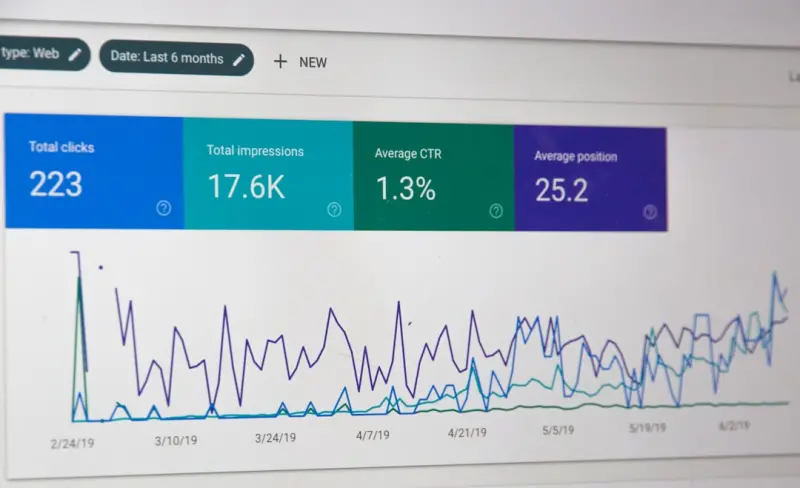
Google’s machine learning models now ingest a plethora of signals – from click patterns to dwell time, from SERP features to semantic embeddings – to infer what the user truly wants. By analyzing these data points, I can map a query’s “search intent taxonomy,” categorizing it as informational, navigational, transactional, or commercial investigation. This taxonomy guides the content type: a blog post for informational queries, a product page for transactional intents, and a comparison guide for commercial investigations. Leveraging tools like Google Search Console and AI‑driven intent classifiers, I turn raw data into a strategic roadmap that ensures every piece of content is purpose‑built for its audience.
Structuring Content for Intent Alignment
Once the intent is clear, the next step is to architect the content so that it delivers answers in a logical, scannable format that Google can easily parse. I start with a compelling headline that mirrors the exact phrasing of the query, followed by a concise answer paragraph – the “featured snippet” style that Google loves. Below that, I use hierarchical headings (H2, H3) to break down sub‑questions, embedding relevant entities and synonyms throughout. Lists, tables, and FAQ blocks not only improve user experience but also increase the chances of occupying multiple SERP features, from “People also ask” to “Top stories.”
Reinventing Keyword Research
Traditional keyword research feels like digging for gold with a blindfold; intent‑first SEO replaces the blindfold with a high‑definition lens. Instead of focusing on volume alone, I prioritize keywords that exhibit clear intent signals, such as “buy,” “how to,” or “review.” Tools that surface query clusters let me group related terms under a single intent umbrella, reducing content duplication and enhancing topical authority. By mapping these clusters to the buyer’s journey, I can publish a series of interlinked pages that guide the user from awareness to decision, creating a cohesive narrative that both users and search engines adore.
Measuring Success Beyond Rankings
While rankings remain a useful KPI, intent‑first SEO demands a broader metrics suite to capture true performance. I track engagement metrics like average session duration, scroll depth, and conversion paths to see if the content satisfies the user’s underlying need. Additionally, I monitor “search intent lift,” a custom metric that measures the shift in query intent distribution over time – for example, seeing more users progress from informational to transactional intents after consuming the content. These insights allow me to iterate quickly, fine‑tuning the copy, layout, and internal linking structure to continuously improve relevance and ROI.
Common Pitfalls and How to Avoid Them
Even seasoned marketers stumble into traps that dilute intent signals. One frequent mistake is over‑optimizing for a single keyword, which can make the copy feel forced and alienate readers. Another is neglecting the “zero‑click” experience – users often find their answer directly on the SERP, so failing to provide concise, answer‑rich snippets can cost valuable traffic. To sidestep these issues, I adopt a “user‑first” checklist before publishing: does the page answer the core question in under 150 words? Are related sub‑questions addressed with clear headings? Is the content structured for easy scanning? Following this routine keeps the focus squarely on intent.
Future Trends Shaping Intent‑First SEO
As Google continues to refine its AI models, the line between human language and machine interpretation will blur even further, making intent an even more critical ranking factor. Emerging features like “multitask unified model” (MUM) promise to understand complex, multi‑step queries, rewarding sites that deliver comprehensive, multi‑format answers – think videos, infographics, and long‑form guides all in one place. Preparing for this future means investing in rich media, semantic markup, and a content strategy that anticipates evolving user questions, positioning your brand as the definitive source of knowledge.
Actionable Steps to Jumpstart Your Intent‑First Strategy
Ready to put intent‑first SEO into practice? Start by auditing your top‑performing pages: identify the primary intent behind each, then rewrite headlines and introductions to match that intent verbatim. Next, build an intent map for your core topics, grouping related queries into clusters and assigning a content type to each cluster. Finally, implement schema markup and internal linking that guide users smoothly from one intent stage to the next, and set up a dashboard to monitor the intent‑specific metrics discussed earlier. By taking these concrete actions, you’ll not only boost rankings but also create a lasting connection with the audience you’re trying to serve.

When it comes to the world of blogging and writing, Rose DesRochers is a name that stands out. Her passion for creating quality content and connecting with her audience has made her a trusted voice in the industry. Aside from her skills as a writer and blogger, Rose is also known for her compassionate nature.
Related Posts

Unlocking Google Passage Indexing: A New Frontier for SEO
Explore the power of Google’s passage indexing, a game‑changing feature that lets individual par... Read More

The Intent‑First Revolution: How Google SEO Evolved in 2026
In 2026 Google rewards intent over keywords. Explore the intent‑first revolution, practical tactic... Read More
Unlocking Google SERP Real Estate: How SaaS Brands Can Turn Snippets, PAA, and Knowledge Panels into Lead Magnets
This guide shows SaaS marketers a three‑phase framework—Scout, Shape, Scale—to identify, optim... Read More
Top Posts

Reviving On‑Page SEO with Content Pruning and Intent‑Driven Refresh
A deep dive into using content pruning and intent‑focused refreshes to sharpen on‑page SEO, improve rankings, and deliver the exact answers users and search...Read More

Crawl Budget Mastery for SaaS: Boost Indexing Efficiency
A deep dive into how SaaS platforms can optimize Google’s crawl budget, prioritize critical pages, and speed up indexing through strategic technical SEO pract...Read More

Augmented Reality: The Next Frontier for eCommerce Marketing
Explore the power of augmented reality in eCommerce marketing, uncovering immersive shopping experiences, measurable ROI, and a roadmap for brands ready to blen...Read More

Edge‑First SEO: Harnessing CDN Power to Boost Crawl Budget and Rankings
Learn how leveraging edge computing and CDN optimization can expand Google’s crawl budget, speed up page loads, and give your site a decisive SEO advantage....Read More
0 Comments
Post Comment
You will need to Login or Register to comment on this post!