

Why Predictive Bidding Isn’t a Fancy Buzzword Anymore
When I first heard the term “predictive bidding,” I imagined a crystal ball perched on top of Google Ads, whispering the exact CPC you should pay tomorrow. Fast forward a few campaigns, and that crystal ball has turned into a sophisticated machine‑learning engine that crunches billions of data points in real‑time. The result? A bidding strategy that’s not just reactive, but proactively anticipates market shifts, audience intent, and even competitive moves.
The Data Tsunami Behind Modern SEM
SEM has always been a data‑driven discipline, but the volume, velocity, and variety of data we now have at our fingertips are unprecedented. Think of three core streams:
- First‑party signals: On‑site behavior, CRM data, and conversion paths that are unique to your brand.
- Third‑party insights: Demographic, psychographic, and contextual data harvested from the wider ad ecosystem.
- Platform‑generated intelligence: Google’s own predictive metrics (like “likely to convert”) and auction insights.
When you stitch these together, you get a multi‑dimensional view of a user’s purchase journey that no single metric can capture. Predictive bidding engines ingest this tapestry and output a bid recommendation that aligns with your actual business goals—not just an arbitrary “click‑through rate” target.
From Rule‑Based to Algorithmic: The Evolution of Bidding
Remember the days of manual CPC adjustments? You’d set a blanket bid, watch the performance, then tweak up or down based on yesterday’s results. That approach is akin to steering a ship by looking at the rear‑view mirror. Predictive bidding flips the script:
- Automation at scale: Bids are adjusted at the keyword, ad group, or even audience level every few seconds.
- Goal‑centric optimization: Instead of optimizing for clicks, the algorithm optimizes for the metric you care about—be it ROAS, CPA, or lead quality.
- Continuous learning: Machine‑learning models retrain daily, incorporating the freshest signals to stay ahead of seasonality, competitor moves, and macro trends.
In practice, this means you’re no longer spending hours micromanaging bids. Instead, you focus on strategic levers—budget allocation, creative messaging, and audience segmentation—while the platform does the heavy lifting.
Getting Started: The Three Pillars of Predictive SEM
Implementing predictive bidding isn’t a plug‑and‑play affair. It requires a solid foundation across three pillars:
1. Clean, Unified Data Architecture
Predictive models thrive on quality data. Start by consolidating your first‑party data into a single customer data platform (CDP) or data warehouse. Normalize naming conventions, remove duplicate conversions, and map offline events (like phone‑in sales) to your online touchpoints. If you’ve already explored Privacy‑First SEM, you know the importance of respecting consent while still harnessing valuable signals.
2. Clear Business Objectives & Attribution Models
Predictive bidding will only deliver the outcomes you define. Do you prioritize revenue, lead volume, or brand lift? Align your conversion actions accordingly and choose an attribution model—first‑click, data‑driven, or custom—that reflects the true contribution of paid search. A misaligned goal is the single biggest reason predictive bidding underperforms.
3. Test, Validate, Iterate
Even the smartest algorithms need a testing framework. Roll out predictive bidding in phases: start with a single campaign or product line, set a performance baseline, then compare against the algorithmic approach. Use statistical significance calculators to confirm that lifts are real, not noise.
Advanced Tactics That Take Predictive Bidding to the Next Level
Audience‑Level Signals Over Keyword‑Level
Traditional SEM leans heavily on keyword performance. Predictive bidding, however, can evaluate audience propensity. By feeding the model signals like search intent clusters, device usage, and even time‑of‑day engagement, you can let the algorithm bid higher for audiences that historically convert faster. This is where Generative Search insights intersect with paid search: the same intent data that powers content recommendations can fuel bid adjustments.
Cross‑Channel Budget Flexibility
Think of your paid search budget as a living organism. When predictive models detect a surge in high‑value searches, they can automatically reallocate spend from under‑performing ad groups or even from other channels like display. This requires integrated budgeting tools—many DSPs now offer API‑driven budget shuffling that responds to SEM signals in minutes.
Seasonality & Event‑Driven Boosters
Predictive engines can ingest external calendars—industry conferences, product launches, or even macro‑events like holidays—and pre‑emptively adjust bids. For instance, a SaaS company launching a new feature at a major trade show can set a “event boost” that lifts bids for related search terms 48 hours before the announcement, ensuring top‑of‑mind visibility when the buzz hits.
Competitive Intelligence as a Signal
While you can’t see competitors’ exact bids, you can infer their intent through auction insights (impression share, outranking share). Feed this data back into your model, and the algorithm can “out‑bid” when the competition is thin and “hold back” when the auction is saturated, preserving budget for high‑margin opportunities.
Measuring Success: KPIs That Matter in Predictive SEM
Switching to predictive bidding can skew traditional metrics. Here’s a quick cheat‑sheet of the KPIs you should keep an eye on:
- Incremental ROAS: Compare revenue generated post‑implementation to the baseline period.
- Cost per Qualified Lead (CPQL): Especially vital for B2B SaaS where lead quality trumps volume.
- Bid Efficiency Ratio: Total spend divided by the sum of model‑predicted optimal bids; the closer to 1, the better the algorithm is aligning with reality.
- Signal Adoption Rate: Percentage of total bids that were influenced by predictive signals (vs. static rules).
Common Pitfalls and How to Avoid Them
Even seasoned marketers stumble when they first adopt predictive bidding. Below are the most frequent traps and quick fixes:
- Over‑trusting the Algorithm: Treat the model as a co‑pilot, not an autopilot. Regularly audit bid recommendations against business goals.
- Insufficient Conversion Tracking: If conversions aren’t being captured accurately, the model will learn the wrong patterns. Double‑check your tagging and attribution windows.
- Ignoring Seasonality: Let the model know about planned promotions. Otherwise, you might see spikes in spend with minimal lift.
- Data Silos: Feed all relevant data sources into the model. Isolated datasets lead to blind spots and sub‑optimal bids.
Future Outlook: What’s Next for Predictive SEM?
The next frontier isn’t just more data—it’s smarter data. Expect to see:
- Zero‑click conversion modeling: Predicting conversion likelihood even when users never click an ad but later convert via organic channels.
- Real‑time creative optimization: Coupling predictive bids with AI‑generated ad copy that morphs based on user intent.
- Privacy‑preserving machine learning: Techniques like federated learning that let you train predictive models without moving raw user data.
All of these will converge to make paid search an even more precise, high‑ROI engine for growth‑focused SaaS brands.
Wrapping Up: The Bottom Line
Predictive bidding isn’t a silver bullet, but when you pair clean data, crystal‑clear goals, and a culture of continuous testing, it becomes a force multiplier for your SEM efforts. The shift from manual, rule‑based bidding to algorithmic, intent‑driven optimization is the same evolution we saw with SEO when Schema Markup moved from optional to essential.
So the next time you stare at a spreadsheet full of CPC tweaks, ask yourself: are you steering your ship by the rear‑view mirror, or are you letting a predictive engine chart the course ahead? The answer could be the difference between a good campaign and a great one.

Shawn DesRochers is a certified Microsoft technician and Programmer with 30+ year's experience. He has written many reviews on computer related products, software, and SEO related topics. When he's not writing reviews he can be found at one of the Oldest Directories Online Mighty Directory which he is the CEO of.
Related Posts

Why “Smart Bidding” Isn’t Smart Enough Anymore—and What to Do About It
Smart Bidding alone can’t keep up with fast‑moving SaaS products. Learn how to layer intent, lev... Read More

Privacy‑First SEM: Winning in a Cookieless Landscape
A privacy‑first approach to SEM turns cookie restrictions into a competitive edge. Discover how to... Read More

Hybrid SEM: Merging Real‑Time Social Listening with Paid Search for Maximum Impact
A hybrid SEM approach merges real‑time social insights with paid search, creating adaptive ads and... Read More
Top Posts

Why Intent-First SEO Is Redefining Google Rankings
Explore the shift to intent‑first SEO, learn why speaking the searcher’s language matters, and get practical steps to boost rankings and user satisfaction....Read More
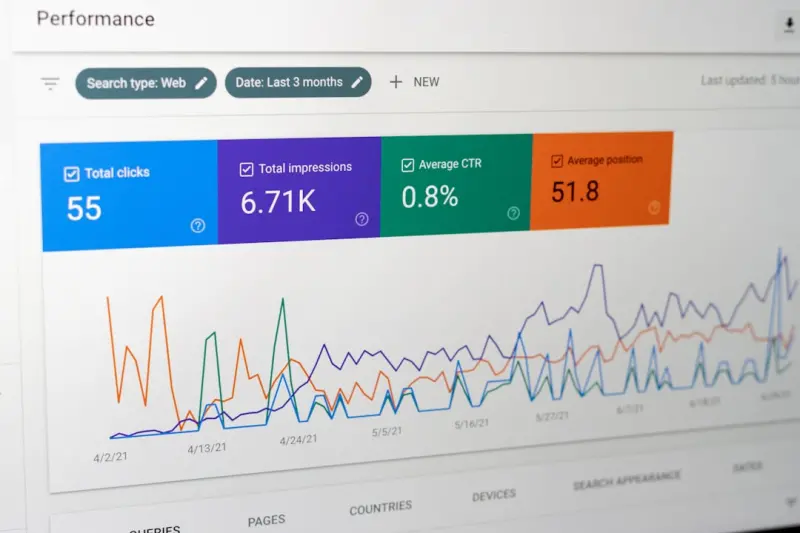
From Search Data to Product Growth: Leveraging Google Search Console for SaaS Success
Discover how treating Google Search Console as a product‑management dashboard can reveal feature gaps, prioritize content, and drive revenue for SaaS business...Read More

The Untapped Power of Structured Data for eCommerce SEO
Learn why structured data is the hidden driver of eCommerce SEO success, how to implement it step‑by‑step, and which advanced tactics can turn rich snippets...Read More

Building a Multi‑Language SEO Framework for Google
Discover a practical roadmap to boost your website’s visibility across languages—covering hreflang tags, localized keyword research, structured data, and fu...Read More
0 Comments
Post Comment
You will need to Login or Register to comment on this post!