

Why the “Helpful Content” Era Demands a New SEO Playbook
Google’s “Helpful Content” update has shifted the SEO needle from keyword stuffing to audience‑first storytelling, and that shift is still reverberating across the SERPs. Rather than chasing isolated terms, I’ve learned to map each piece of content to a concrete user problem, then let the algorithm reward the depth and relevance that naturally follows. This mindset forces us to interrogate every headline, subheading, and sentence for genuine value, and it also surfaces a hidden opportunity: the very signals Google now monitors—dwell time, scroll depth, and click‑through patterns—can become our most honest performance metrics. When users linger, scroll, and return, they’re essentially handing us a vote of confidence that the algorithm can quantify. In practice, that means designing pages that guide readers through a logical journey, embedding clear calls to action, and using data‑driven tweaks to sharpen the experience. The result is a virtuous cycle where better content fuels stronger signals, which in turn boosts rankings, driving even more qualified traffic.
Mapping the Audience Journey Before You Write a Single Word
The first step in my workflow is to sketch the audience journey from the moment a search intent surfaces to the point of conversion or knowledge gain. I start by gathering raw query data from Search Console, then layer in on‑page analytics to see where visitors drop off or bounce. By visualizing these touchpoints, I can spot content gaps—questions that are asked but not answered, or stages where users need more guidance. This approach is different from traditional intent clustering; it focuses on the micro‑moments that make up a broader user narrative. Once the map is clear, I outline a hierarchy of topics that naturally flow, ensuring each page answers a specific segment of the journey while linking forward to the next logical step. The benefit is twofold: readers receive a seamless, educational experience, and Google sees a well‑structured site architecture that encourages deeper crawling and indexing. In short, a journey‑first framework transforms isolated pages into a cohesive knowledge hub that both users and search engines love.
Crafting Semantic Clusters That Align With “Helpful Content”
Semantic clustering is not new, but under the “Helpful Content” paradigm it becomes a strategic weapon for depth and authority. I begin by selecting a core pillar topic that addresses the primary user need identified in the journey map, then expand into tightly related sub‑topics that explore nuances, case studies, and FAQs. Each cluster page links back to the pillar with contextual anchor text, reinforcing the topical relevance without over‑optimizing. The key is to let the natural language of the user guide the cluster’s vocabulary, using synonyms and question formats that reflect real search phrases. This method satisfies Google’s emphasis on comprehensive coverage while keeping the reader engaged through progressive disclosure. To ensure the clusters stay fresh, I schedule quarterly audits that compare top‑ranking competitor clusters, noting any new sub‑topics that have emerged. By continuously evolving the clusters, the site maintains topical authority, and Google’s algorithm rewards the freshness and breadth of the content ecosystem.
Leveraging Search Console’s New “Insights” Tab for Content Gap Discovery
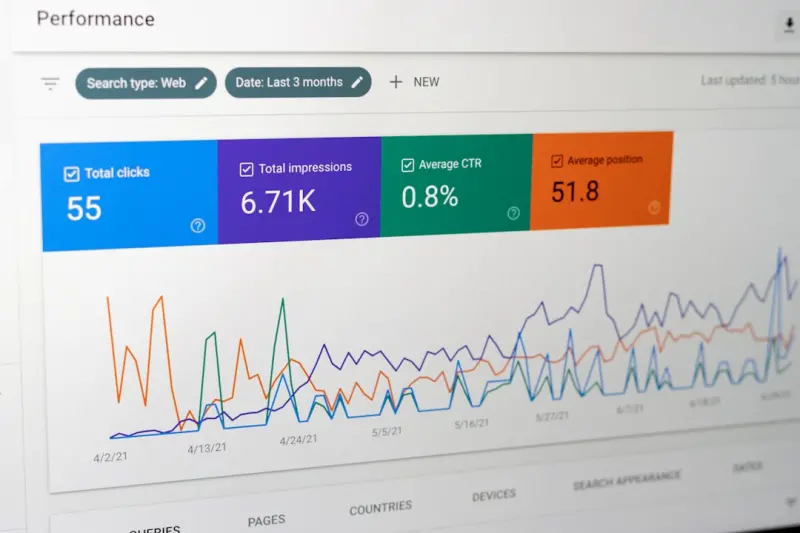
Search Console recently rolled out an “Insights” tab that surfaces high‑performing queries alongside pages that are under‑performing for those same terms. I treat this feature as a treasure map for hidden content opportunities. By cross‑referencing the high‑click‑through queries with the pages that received low average position, I can pinpoint exactly where a deeper, more helpful article would close the gap. The process involves exporting the data, filtering for impressions above a threshold, and then drafting outlines that address the missing depth. When the new content goes live, I monitor the same metrics to confirm improvement in both rankings and engagement signals. This data‑driven loop ensures that every new piece of content is built on a proven demand, aligning perfectly with Google’s push for relevance and usefulness. The result is a steady stream of high‑impact pages that boost overall site authority while delivering tangible value to readers.
Embedding Interaction Signals Directly Into Your SEO Reporting
Traditional SEO reports focus on rankings, backlinks, and traffic, but they often miss the nuanced interaction signals that Google now considers ranking factors. I’ve started to incorporate metrics like average scroll depth, time on page, and scroll‑triggered events into monthly dashboards, treating them as proxy indicators of content helpfulness. For example, a page that ranks on the first page but shows a bounce rate above 70 % likely fails the “Helpful Content” test, prompting a quick content refresh. By setting thresholds—say, a minimum of 60 % scroll depth for pillar pages—I can prioritize optimization work where it matters most. These signals also guide internal linking strategies: pages with strong interaction metrics become logical hubs for linking to weaker pages, passing both authority and positive user behavior cues. Over time, this integrated reporting approach not only improves rankings but also creates a culture of continuous, data‑backed refinement across the entire SEO team.
Testing Headlines and Subheadings With Real‑World Click Data
Headlines are the first handshake with the reader, and under the “Helpful Content” regime, they must promise value that the page delivers. To test this promise, I run small A/B experiments using Google Optimize or similar tools, swapping out headline variations while keeping the body copy constant. The key metric is the click‑through rate from SERPs, measured against the subsequent dwell time to ensure that the headline’s promise translates into real engagement. When a headline boosts clicks but leads to high bounce, it signals a mismatch that can hurt rankings. Conversely, a modestly performing headline with strong dwell time may indicate a more accurate promise. I document the findings in a living spreadsheet, linking back to the original article via a Link Building Reimagined case study that illustrates how headline tweaks can amplify outreach success. This iterative approach refines both SEO performance and user satisfaction in lockstep.
Future‑Proofing with AI‑Generated Summaries and Structured Snippets
While the “Helpful Content” update focuses on human‑readable value, Google’s SERP now frequently pulls AI‑generated summaries directly from page content. To stay ahead, I embed concise, AI‑friendly summary paragraphs at the top of each article, using clear language and bullet points that Google can easily extract. These summaries serve a dual purpose: they improve the chances of appearing in the “People Also Ask” and “Related Searches” boxes, and they provide immediate value to users scanning search results. In tandem, I add structured data markup for FAQs and how‑to sections, ensuring that Google’s rich snippet engine has the precise signals it needs. By aligning the page’s visible content with the structured markup, I create a seamless bridge between the algorithm’s understanding and the user’s need for quick answers. This synergy not only boosts click‑through rates but also reinforces the site’s authority as a trusted source of concise, actionable information.
Balancing Technical Health With Content Depth for Sustainable Rankings
Even the most helpful content can falter if the site’s technical foundation is shaky. I routinely audit core web performance, crawl efficiency, and indexation health, then prioritize fixes that have the highest impact on user experience. For instance, I compress images, enable lazy loading, and fine‑tune server response times, all of which contribute to lower bounce rates and higher dwell time—metrics that Google now weighs more heavily. Simultaneously, I keep an eye on orphaned pages that lack internal links, re‑integrating them into the semantic clusters described earlier. This dual focus ensures that the site’s technical scaffolding supports the rich, helpful content we create, allowing Google’s crawlers to efficiently discover and rank each piece. When technical health and content depth move together, the site enjoys a resilient performance that can weather algorithm updates without drastic overhauls.
Takeaways: Turning “Helpful Content” Into a Competitive Advantage
The “Helpful Content” update is not a penalty; it’s a clarion call to put readers first, and the SEO rewards for doing so are substantial. By mapping the audience journey, building semantic clusters, leveraging Search Console insights, and embedding interaction signals into reporting, we create a feedback loop that continuously elevates both user experience and rankings. Testing headlines, crafting AI‑friendly summaries, and maintaining technical excellence round out a holistic strategy that future‑proofs our sites against evolving search paradigms. In my experience, the most successful campaigns are those that treat content as a living asset—one that evolves with user behavior and algorithmic expectations alike. Embrace the data, stay curious, and let the genuine desire to help guide every optimization decision; the rankings will follow naturally.

As a passionate freelance writer, Paige Magarrey is dedicated to bringing new perspectives and raising awareness through her work. With her expertise and creative approach, Paige strives to engage readers and deliver valuable content that resonates with audiences.
Related Posts

Beyond Keywords: Mastering Google’s Search Experience Signals for SaaS Growth
Google’s ranking algorithm now prioritizes user experience metrics like Core Web Vitals, engagemen... Read More

Riding the 2024 SEO Wave: Rose DesRochers' Insider Strategies for Google Dominance
Rose DesRochers reveals the 2024 SEO playbook, blending AI insights, contextual ranking, and Core We... Read More

Why Intent-First SEO is the Future of Google Rankings
Explore why aligning content with search intent is the key to higher Google rankings, better user en... Read More
Top Posts

Unlocking Facebook’s Hidden SEO Power: From Reels to Messenger Bots
Learn fresh Facebook SEO tactics—from optimizing Reels and Instant Articles to leveraging Messenger bots—for higher search visibility and stronger organic t...Read More
Why Visual Search Is No Longer a Niche for SaaS Brands
Why Visual Search Is No Longer a Niche for SaaS Brands When I first heard about Google Lens and Apple’s Live Text feature, my gut reaction was “nice gimmick...Read More
Why Visual Search Is the Next SEO Frontier for SaaS
Visual search is rapidly becoming a core SEO signal for SaaS products. This post explains why image optimization, structured data, and user‑generated visuals ...Read More

Structured Data Strategies to Win Google’s New SERP Features
Learn why structured data is crucial for SaaS SEO, how to implement key schema types, balance crawl budget, and measure the impact of rich results on conversion...Read More
0 Comments
Post Comment
You will need to Login or Register to comment on this post!