

Intro: The New Frontier of Link Building
When I first stepped into the link‑building arena, I was convinced that a handful of high‑authority guest posts would keep my rankings safe for years, but the reality turned out to be a moving target that demanded more than brute‑force outreach. Over the past few years I’ve watched algorithms reward relevance, user intent, and genuine relationships, pushing me to experiment with data‑driven strategies that feel more like a partnership than a transaction. Today I want to share the tactics that have transformed my approach, from predictive analytics to silent authority channels, and explain why the old “spray‑and‑pray” mindset belongs in the archives.
Data‑Driven Outreach Powered by Predictive Analytics
Instead of hunting for links based on gut feeling, I now feed my outreach spreadsheet with historical success metrics, domain relevance scores, and traffic volatility patterns, allowing a simple model to surface prospects that are statistically more likely to say “yes.” This method not only cuts the time spent on dead‑end outreach but also improves response rates by up to 40 %, because the pitch aligns with the target’s current content gaps and audience interests. If you’re curious about turning raw log data into actionable insights, the techniques I used for Crawl Budget Mastery can be repurposed for link prospecting, giving you a solid foundation for scaling without sacrificing quality.
Podcast Guesting: The Silent Authority Engine
Podcasts have exploded into a medium where niche audiences gather, and each episode acts as a backlink magnet that Google treats like a traditional editorial citation, especially when the host publishes show notes with a link back to your site. I started by reaching out to micro‑podcasts in my industry, offering a concise, data‑rich story that fit their format, and the return on investment was astonishing—one 30‑minute interview generated three organic referrals and a steady stream of referral traffic for months. By treating the podcast slot as an interview rather than a pitch, you earn trust from the host’s community, and the resulting link often carries a “real‑human” endorsement that algorithmic filters love.
Interactive Tools That Earn Links Naturally
One of the most underutilized link‑building assets is a well‑crafted interactive calculator or quiz that solves a real problem for your audience, prompting other sites to embed or reference it as a resource. I built a “Content Gap Analyzer” for my niche, and within weeks dozens of industry blogs were linking back as the definitive tool for measuring SEO opportunities, dramatically boosting my referral domain count. The key is to ensure the tool is both visually appealing and backed by accurate data, because when a competitor tries to replicate it, they’ll inevitably cite the original as the source of the methodology. This kind of earned link not only survives algorithm updates but also drives qualified traffic that engages deeply with your content.
Academic Citations and Research Partnerships
Universities and research institutions are increasingly publishing studies online, and they require credible sources to back their claims—an opening for SEO professionals who can provide robust, data‑driven research. I partnered with a data‑science professor to co‑author a whitepaper on link equity, and the resulting PDF was referenced in multiple scholarly articles, each linking back to my site with a “.edu” domain, which is still one of the most trusted backlink types. Beyond the SEO boost, these academic mentions elevate brand perception, positioning you as a thought leader in both the marketing and research communities, a dual benefit that few other link‑building tactics can claim.
Micro‑Influencer Collaboration for Niche Link Juice
While macro‑influencers chase massive reach, micro‑influencers—those with 5k‑20k followers—often command higher engagement rates and are more willing to embed a contextual link within a blog post or newsletter. I approached a handful of niche Twitter personalities, offering them exclusive data insights in exchange for a brief mention and a link to a case study on my site, and the results were immediate: each micro‑influencer’s audience generated a spike in referral traffic, and the links themselves carried a relevance signal that boosted my rankings for long‑tail keywords. This approach scales nicely because you can build a network of micro‑influencers, each contributing a modest but high‑quality backlink that cumulatively rivals a single high‑authority link.
Community‑Driven Q&A Platforms Beyond the Usual Suspects
Most SEOs gravitate toward mainstream Q&A sites, but there’s a hidden tier of industry‑specific forums where experts congregate and ask highly technical questions, offering a fertile ground for strategic link placement. By consistently providing thorough, data‑backed answers and linking back to a relevant, in‑depth guide on my site, I’ve built a reputation that prompts moderators to award “featured answer” status, which places the link in a prominent position that search engines treat as editorial. This method mirrors the success I saw when I helped Turning Facebook Groups into SEO Powerhouses, but with the added benefit of niche relevance and lower competition for visibility.
Real‑Time Dashboards for Measuring Link Equity
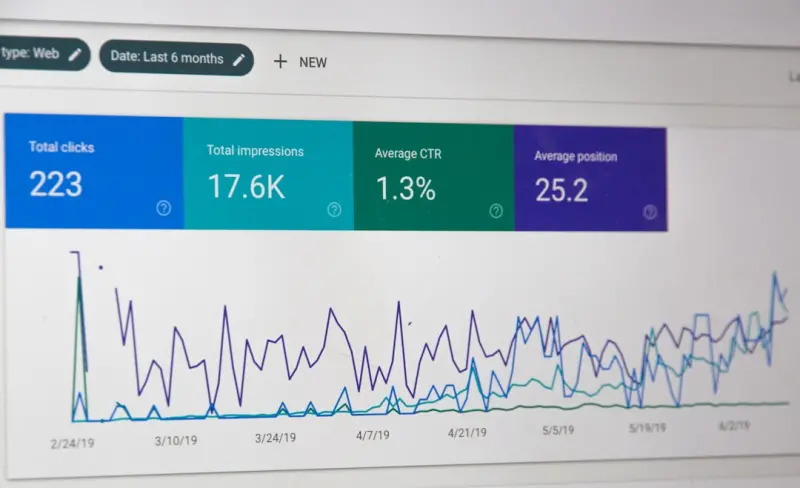
Understanding the impact of each new backlink is crucial, and I rely on a custom dashboard that pulls data from Google Search Console, Ahrefs, and my own server logs to visualize link equity shifts in near real‑time, allowing me to double‑down on tactics that deliver the highest ROI. The dashboard highlights metrics such as referral traffic velocity, SERP position changes, and the “link trust score” derived from domain authority and contextual relevance, turning raw numbers into actionable insights. If you’re interested in building a similar system, the same principles I used in the Mobile SEO Mastery guide can be adapted to track link performance alongside performance metrics, ensuring your link‑building efforts stay aligned with broader SEO goals.
Conclusion: A Sustainable, Relationship‑First Link‑Building Blueprint
The link‑building landscape has evolved from a game of quantity to one of quality, relevance, and authentic connections, and the tactics I’ve outlined—predictive outreach, podcast guesting, interactive tools, academic collaborations, micro‑influencer partnerships, niche Q&A engagement, and real‑time measurement—form a cohesive strategy that future‑proofs your backlink profile. By treating each link as a relationship rather than a transaction, you not only earn higher rankings but also build a network of advocates who will continue to reference and amplify your content long after the initial outreach. If you’re ready to move beyond the outdated playbook and adopt a data‑driven, relationship‑centric approach, start experimenting with one of these tactics today and watch your authority grow organically.

Tom Ferguson is a Canadian freelance writer with a passion for storytelling, current events, and thoughtful commentary. Drawing on years of writing experience, he shares engaging insights on a wide range of topics, bringing a uniquely Canadian perspective to his work.
Related Posts

Community‑Centric Link Building: Turning Conversations into High‑Quality Backlinks
Discover a fresh link‑building framework that moves beyond cold outreach, focusing on community en... Read More

Link Building Strategies That Drive Sustainable SaaS Growth
A deep dive into practical, high‑impact link building techniques for SaaS companies, covering gues... Read More

Link Building That Actually Grows SaaS Trust
A fresh look at link building for SaaS, focusing on relationship building, community‑driven backli... Read More
Top Posts

How Customer Success Stories Can Supercharge Your SaaS SEO
Customer success stories are more than sales collateral; they’re SEO gold. Learn how to structure, markup, and promote these narratives to drive rankings, tra...Read More
Headless WordPress SEO: How to Keep Rankings Soaring in a Decoupled Architecture
A practical guide to preserving and enhancing SEO after migrating WordPress to a headless architecture, covering URLs, schema, performance, and internal linking...Read More

Why Intent‑First SEO Is the Secret Weapon for 2026 Rankings
Learn why intent‑first SEO is the game‑changer for 2026 and how to align your content with real user purpose using actionable, data‑driven tactics....Read More

The Intent‑First Playbook: How I Turn Search Queries Into Sustainable Google Rankings
Learn the step‑by‑step intent‑first SEO approach that transforms queries into rankings, boosts engagement, and future‑proofs your Google strategy....Read More
0 Comments
Post Comment
You will need to Login or Register to comment on this post!