

Google’s Latest Algorithm Pulse and the Rise of User Intent
When Google rolled out its newest core update, the SEO community felt a familiar tremor, but this time the tremor was less about raw backlink metrics and more about the subtle language of user intent. The machines behind the search giant are now parsing queries with a depth that resembles a seasoned researcher, interpreting nuance, context, and even the emotional undertones of a searcher’s phrasing. Marketers who cling to outdated keyword‑centric tactics are finding their traffic slipping, while those who have embraced an intent‑first mindset are watching their rankings stabilize and even climb, despite the shifting sands of the algorithm. It’s a clear signal that the future of search is no longer about stuffing exact matches, but about delivering the precise answer that aligns with the user’s underlying goal at the moment of the search.
Why Intent‑First SEO Is the Game‑Changing Strategy Marketers Can’t Ignore
In my own experience, the moment I pivoted from a pure keyword approach to an Intent‑First SEO framework, the data spoke loudly: bounce rates fell, dwell time increased, and conversion pathways became more linear. The core idea is simple yet profound—understand the question behind the query, then craft content that not only answers but anticipates the next logical step in the user’s journey. This shift demands a holistic audit of existing assets, identifying gaps where the intent is only partially satisfied, and then iteratively refining those pages to become the definitive resource. By aligning every piece of copy, metadata, and internal linking structure with the specific intent, you create a cohesive experience that Google’s AI models readily reward, turning fleeting clicks into lasting engagements.
From Theory to Real Rankings: The Intent‑First Playbook in Action
To move from concept to measurable results, I rely on the proven tactics outlined in The Intent‑First Playbook, which breaks the process into three actionable phases: intent discovery, content alignment, and performance tracking. Intent discovery begins with a deep dive into SERP analysis, leveraging tools that surface the top‑ranking snippets, featured answers, and related questions that Google deems most relevant. Once you map these signals, you reshape your content outline to mirror the hierarchy of information users expect, embedding semantic entities that reinforce relevance. Finally, performance tracking isn’t just about rankings; it’s about monitoring intent fulfillment metrics such as SERP click‑through rates, zero‑click interactions, and user engagement loops that indicate whether the searcher’s problem was truly solved.
Measuring Intent Signals: The New KPIs Every Marketer Should Track
Traditional SEO metrics—organic traffic volume and keyword position—still matter, but they’re now complemented by a suite of intent‑centric KPIs that reveal how well you’re meeting the searcher’s purpose. Key indicators include the percentage of zero‑click searches captured in the SERP’s rich answer boxes, the average time spent on page for informational queries, and the conversion rate for transactional intents after a user lands on a product‑focused page. Additionally, tracking the “search intent match score”—a composite metric that weighs semantic relevance, entity coverage, and user satisfaction signals—provides a single dashboard view of how closely your content aligns with the intended query. By regularly reviewing these data points, you can quickly spot mismatches, refine your strategy, and stay ahead of algorithmic adjustments that prioritize intent over mere keyword presence.
Crafting Content That Speaks the User’s Language
When you design a piece of content with intent at its core, you’re essentially speaking the user’s language in both tone and structure. Start with a compelling headline that mirrors the exact phrasing of the query, then break the body into clearly labeled sections that answer sub‑questions the user might have. A practical approach is to use an unordered list that outlines the step‑by‑step solution, as readers love scannable formats that respect their time. For example:
- Identify the primary goal behind the search.
- Map out the logical information hierarchy.
- Integrate semantic variations and related entities.
- Optimize on‑page elements—title tags, meta descriptions, and schema—to reinforce intent.
- Measure post‑publish performance against intent‑centric KPIs.
By embedding these elements, you not only satisfy the user’s immediate need but also signal to Google that your page is the authoritative answer, increasing the likelihood of featured snippet placement and higher organic visibility.
Technical Foundations: Aligning Site Architecture with Intent
Even the most compelling content will falter if the technical scaffolding doesn’t support it. An intent‑first approach demands a site architecture that mirrors the logical flow of user journeys, with siloed topic clusters that guide both crawlers and visitors through related concepts. Implementing structured data—especially FAQ and How‑To schemas—helps Google surface your answers directly in the SERP, boosting click‑through rates. Moreover, ensure that internal linking follows an intent hierarchy: link from broader, awareness‑level pages to deeper, decision‑oriented content, using descriptive anchor text that reinforces the target page’s purpose. This not only improves crawl efficiency but also distributes link equity in a way that mirrors the user’s decision funnel, reinforcing the overall authority of your intent‑focused ecosystem.
Future‑Proofing Your Rankings with Ongoing Intent Optimization
Search intent is not a static target; it evolves as user behavior shifts, new technologies emerge, and cultural trends reshape language. To stay ahead, adopt a continuous optimization cycle that revisits intent mapping every quarter, incorporates emerging query variations, and refreshes content to address new pain points. Leverage AI‑driven content assistants to surface latent semantic entities that weren’t part of the original brief, and run A/B tests on headline phrasing to gauge which version best captures the evolving user mindset. By treating intent as a living, breathing component of your SEO strategy, you transform your site into a resilient asset that can weather algorithmic storms and maintain sustainable rankings over the long term.
Wrapping Up: Intent‑First SEO as the Strategic Edge
The shift toward intent‑first SEO isn’t a fleeting trend—it’s a fundamental redefinition of how search engines evaluate relevance and value. Marketers who internalize this philosophy, adopt the actionable frameworks from resources like Unlocking Intent‑First SEO, and commit to ongoing measurement will find themselves not just surviving but thriving in the competitive search arena. As the algorithmic focus sharpens on genuine user satisfaction, the strategic edge belongs to those who can anticipate, understand, and fulfill intent at every touchpoint, turning each query into a lasting relationship and each ranking into a sustainable asset.

When it comes to the world of blogging and writing, Rose DesRochers is a name that stands out. Her passion for creating quality content and connecting with her audience has made her a trusted voice in the industry. Aside from her skills as a writer and blogger, Rose is also known for her compassionate nature.
Related Posts

Why User‑Generated Content Is the Secret SEO Weapon SaaS Companies Are Overlooking
User‑generated content—from reviews to community forums—offers SaaS companies a powerful, auth... Read More

LLM‑Powered Search: The Next SEO Frontier
Large language models are redefining search, making semantic relevance and structured data essential... Read More
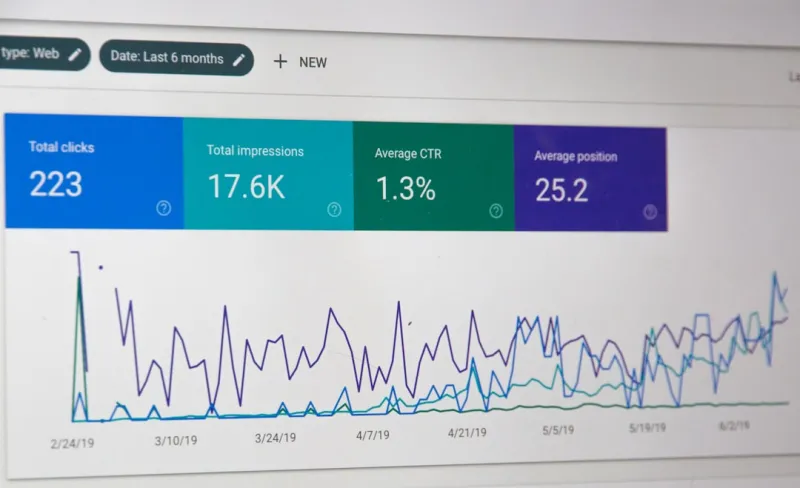
SEO News Roundup: How AI, Contextual Ranking, and Core Web Vitals Are Redefining the Game
Rose DesRochers breaks down this week’s SEO news, from AI-powered SERP changes to new contextual r... Read More
Top Posts

The Intent‑First Blueprint: How I Turn Search Queries Into Rankings
Rose shares her proven intent‑first SEO workflow, revealing how to map searcher intent, craft compelling headlines, and use internal links to keep readers eng...Read More

Human‑First On‑Page SEO: Redesigning Content for Search and Readers
A fresh, human‑focused approach to on‑page SEO that blends content architecture, semantic HTML, multimedia optimization, and AI‑assisted writing for bette...Read More
Conversational Commerce: Turning Chats Into Revenue Engines
Explore the rise of conversational commerce, learn why instant chat is a sales engine, and get actionable steps to integrate AI‑driven bots into your digital ...Read More

Semantic HTML & Accessibility: The Hidden On‑Page SEO Edge
Discover how using semantic HTML tags and accessibility best practices can dramatically improve on‑page SEO, boost user engagement, and future‑proof your co...Read More
0 Comments
Post Comment
You will need to Login or Register to comment on this post!