
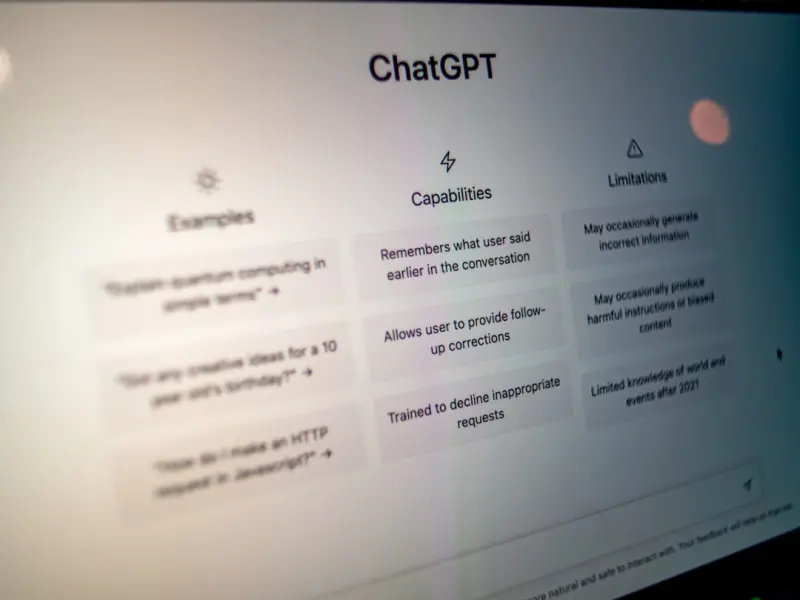
Why Conversational Commerce Is No Longer a Niche
In the past year, the way shoppers decide to buy has shifted dramatically, moving from static web pages to fluid, real‑time conversations. Brands that still rely solely on traditional e‑commerce funnels are watching potential customers slip away to the messaging apps where they already spend hours each day. Instant, two‑way dialogue creates a sense of trust that static product listings simply cannot match, turning casual browsers into qualified leads before they even leave the chat window.
The Expectation Gap: Real‑Time Interaction as a Baseline
Consumers now expect brands to be as reachable as their friends on platforms like Instagram Direct, WhatsApp, and iMessage. A recent study showed that 73% of shoppers would abandon a purchase if they couldn’t get an answer within a few minutes, highlighting how speed has become a competitive advantage. This expectation forces marketers to rethink support, sales, and even content delivery, integrating chat as the primary touchpoint rather than an afterthought.
AI‑Powered Chatbots: The New Frontline
Modern chatbots aren’t just scripted decision trees; they’re driven by sophisticated language models that can interpret intent, suggest products, and even negotiate discounts on the fly. By applying prompt engineering techniques, marketers can fine‑tune bot responses to align with brand voice while delivering hyper‑personalized offers. The result is a scalable, 24/7 sales assistant that feels genuinely helpful rather than robotic.
Designing Human‑Centric Conversation Flows
Successful conversational commerce hinges on crafting dialogue that feels natural, not forced. This means mapping out user journeys that anticipate questions, provide contextual recommendations, and leverage first‑party data to tailor each interaction. When a returning shopper asks for “my last order,” the bot should instantly pull that history and suggest complementary items, turning a simple query into a cross‑sell opportunity.
Measuring Impact: From Engagement to Revenue
Unlike traditional ads, chat interactions generate a rich set of micro‑metrics—response time, conversation length, sentiment scores, and conversion rates per message. Marketers can attribute revenue to specific conversation nodes, allowing for precise budget allocation. By tracking these metrics, teams can continuously optimize scripts, identify bottlenecks, and demonstrate clear ROI to stakeholders.
Real‑World Wins: A Brand’s WhatsApp Turnaround
Consider the case of a mid‑size fashion retailer that integrated WhatsApp Business into its sales funnel. Within three months, the brand saw a 42% lift in average order value, driven by personalized styling suggestions delivered via chat. The retailer also reduced cart abandonment by 28% simply by sending automated, yet conversational, reminders that felt like a friendly nudge rather than a generic email.
Common Pitfalls: Over‑Automation and Privacy
While bots can handle many tasks, over‑automation can erode the very trust they aim to build. Customers quickly abandon chats that feel impersonal or that repeatedly ask for the same information. Additionally, handling personal data within messaging platforms demands strict compliance with privacy regulations; marketers must be transparent about data usage and provide easy opt‑out mechanisms.
The Future Is Multimodal: From Text to AR Experiences
As visual and immersive technologies mature, the next wave of conversational commerce will blend text, images, and augmented reality within a single chat. Imagine a user snapping a photo of a living‑room wall and receiving instant AR overlays of paint colors or furniture options—all within the same messenger thread. This evolution aligns closely with the rise of multimodal search, where search engines and platforms alike are learning to interpret mixed media inputs.
Actionable Steps to Launch Your Conversational Strategy
Start by identifying the messaging platforms where your audience is most active, then pilot a lightweight chatbot that handles common FAQs and simple product queries. Use the data collected to refine prompts, integrate first‑party insights, and gradually expand the bot’s capabilities to include recommendations and checkout assistance. Finally, set up a robust analytics dashboard to monitor conversation health and tie each interaction back to revenue, ensuring continuous improvement.

Alex Moss is a digital marketing professional and SEO consultant, focusing on technical and structural SEO along with product development. With more than six years of experience in various facets of digital marketing, he has assisted brands of all sizes in establishing and enhancing their online presence, as well as fostering increased product loyalty.
Related Posts

First‑Party Data Hubs: The New Backbone of SaaS Digital Marketing
A deep dive into building first‑party data hubs, leveraging clean‑room collaborations, and shift... Read More

Why Employee Advocacy is the Missing Link in Your SaaS Digital Marketing Mix
Employee advocacy transforms internal expertise into powerful, authentic digital marketing. Learn ho... Read More

Turning Up the Volume: How Audio‑First Marketing Can Amplify Your Brand
Audio‑first marketing is reshaping digital strategy. From podcasts to voice‑enabled commerce, le... Read More
Top Posts

Decoding Google’s Multimodal Algorithm: A New Playbook for Modern SEOs
Google’s algorithm now evaluates text, images, video, and audio together. Discover how to adapt your SEO strategy to this multimodal reality and stay ahead of...Read More

Turning Shoppers into Brand Advocates: The Power of Community‑Driven Commerce
Explore how building a purpose‑centered community, leveraging user‑generated content, and integrating gamified experiences can turn casual shoppers into pas...Read More

Why Intent‑First SEO Is the Hottest Topic in SEO News
Explore how intent‑first SEO is redefining rankings, content creation, and technical best practices, and why embracing this shift is essential for modern mark...Read More

Mastering Modern SEO: Intent‑First Strategies That Deliver Real Traffic
Learn how to shift from keyword obsession to intent‑first optimization, with proven strategies, technical tips, and a clear action plan to elevate your SEO pe...Read More
0 Comments
Post Comment
You will need to Login or Register to comment on this post!