
Why Local Influencer Partnerships Are the Secret Sauce for Dominating Your Neighborhood Search Results
When I first stepped into the world of local SEO, I was busy chasing the usual suspects: citations, Google Business Profile tweaks, and the ever‑elusive backlink list. It worked, but it felt like trying to win a marathon with a sprint‑runner’s shoes. The breakthrough came when I realized that the most authentic, high‑impact signals in a community don’t come from a spreadsheet—they come from the people who already command trust on the very streets my business serves.
The missing link between brand authority and community trust
Think about it: a local coffee shop that partners with the neighborhood artist collective sees a surge in foot traffic, not just because of the art on the walls, but because the collective’s followers start talking about the coffee shop on Instagram, in local forums, and even in their own newsletters. Those mentions translate into brand‑earned mentions, social signals, and most importantly for us, high‑quality local backlinks. Search engines have been fine‑tuning their ability to read “real‑world endorsement” for years, and they reward businesses that can prove they’re woven into the social fabric of a place.
How influencer partnerships differ from traditional link‑building
Traditional link‑building is often a transaction: I give you a guest post, you give me a backlink. Influencer collaborations are relationships. They’re based on shared values, co‑creation, and mutual promotion. The result? Links that feel natural, content that resonates with local audiences, and a boost in the semantic relevance of your site. When a beloved local baker shares a behind‑the‑scenes video of a new pastry line, the accompanying description, hashtags, and even the video captions become rich, contextual data points that Google can associate with your brand’s niche.
Step‑by‑step: Building a sustainable local influencer program
- Identify true community voices. Look beyond follower counts. Tools like local Instagram geotags, neighborhood Facebook groups, and even the “top reviewers” on Google Business Profile can point you to individuals whose recommendations actually move the needle.
- Map shared audience interests. A pet grooming salon might partner with a local dog‑training Instagram star, while a boutique fitness studio could team up with a nutritionist who runs a popular weekly meal‑prep livestream.
- Co‑create content, don’t just sponsor. Invite the influencer into your space for a live demo, a Q&A, or a community‑focused event. The resulting content—photos, videos, blog posts—should feel authentic and be published on both your site and the influencer’s platforms.
- Leverage structured data. When you publish a joint blog post, use
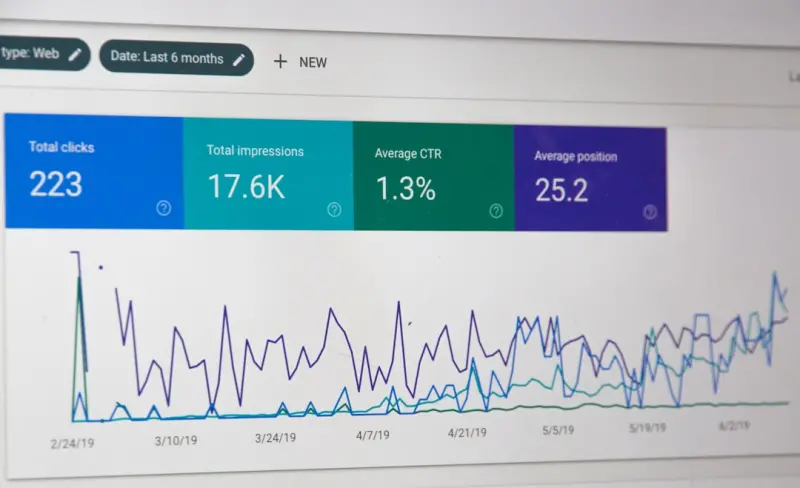
<script type="application/ld+json">to add Article schema and Person schema for the influencer. This tells Google who contributed to the content, increasing the chances of rich snippets and local relevance. - Track impact with a localized KPI dashboard. Merge Google Business Profile insights, Google Analytics (with view filters for city or zip code), and the influencer’s own engagement metrics. Look for spikes in “organic search” sessions from the target zip code, and correlate them with the dates of your collaborative posts.
Why the “hyperlocal” approach you read about isn’t enough on its own
There’s a lot of buzz around hyperlocal SEO—optimizing for “near me” queries, fine‑tuning NAP consistency, and building location‑specific landing pages. Those tactics are the foundation, but they’re static. Influencer collaborations add a dynamic, ever‑changing layer of relevance. Each new post, story, or video is a fresh signal that tells search engines, “This business is actively engaging with the community today.” That freshness is a ranking factor in itself, especially for “near me” queries where Google favors the most up‑to‑date results.
Case study: A regional home‑service franchise turns local influencers into a scaling engine
One client—a regional HVAC service with 12 locations—was stuck at the bottom of the local pack despite perfect citations. We launched a pilot in three markets, pairing each location with a local home‑improvement YouTuber who regularly posted “day‑in‑the‑life” videos of renovation projects. The collaboration included:
- Co‑branded “energy‑saving” tutorial videos hosted on the client’s site (with proper schema).
- Guest blog posts on the franchise’s blog featuring the influencer’s tips, linked back with strategic internal linking to service pages.
- Social‑media takeovers where the influencer answered live questions from the community, driving real‑time engagement.
Results after six months:
- Average organic local traffic rose 48% across the three pilot markets.
- Google Business Profile views increased 33%, with a 25% lift in “Requests for directions.”
- Each location earned at least five new high‑authority local backlinks from community news sites that covered the influencer events.
The key takeaway? Influencer collaborations amplified the franchise’s existing SEO assets, turning a static local presence into a vibrant, conversation‑driven hub that Google loves.
Integrating influencer content into your existing SEO workflow
When I first tried to squeeze influencer pieces into my content calendar, I made the mistake of treating them as “extra” content. The better approach is to plan them as core assets. Here’s how:
- Editorial calendar alignment. Slot influencer collaborations into quarterly themes (e.g., “Summer Outdoor Living”). This ensures the content supports seasonal keyword trends and local event calendars.
- Keyword research with a local twist. Use tools like Google Trends to discover what locals are searching for in conjunction with the influencer’s niche. Then weave those terms naturally into the co‑created content.
- Cross‑channel amplification. Publish the piece on your site, share it on the influencer’s socials, embed it in your email newsletters, and add it to your Google Business Profile “Posts” section. Every touchpoint reinforces relevance.
- Continuous optimization. After publishing, monitor click‑through rates, bounce rates, and the “time on page” metric. If the influencer’s audience is staying longer, consider adding related internal links to boost crawl depth—a subtle nod to Crawl Budget Mastery principles.
Measuring ROI: From social buzz to search rankings
Influencer partnerships can feel intangible until you attach the right numbers. I recommend a three‑tiered measurement framework:
- Engagement layer. Likes, comments, shares, and story mentions. This tells you the content resonated.
- Traffic layer. Unique sessions from referral sources, especially those landing on location‑specific pages.
- Ranking layer. Track keyword position changes for “near me” queries in the influencer’s city. Tools like BrightEdge or Ahrefs let you filter by region, making it easy to see the direct impact.
When you see a lift across all three layers, you’ve turned a community endorsement into a measurable SEO win.
Potential pitfalls and how to avoid them
- Choosing the wrong partner. A high‑follower count doesn’t guarantee local relevance. Vet their audience demographics and engagement quality.
- Over‑promising on deliverables. Set clear expectations—how many posts, what type of content, and the timeline. A written agreement helps both sides stay accountable.
- Neglecting compliance. The FTC requires disclosure of paid partnerships. Ensure the influencer includes a clear “sponsored” tag; otherwise, you risk a trust penalty from both users and search engines.
- Failing to repurpose. One piece of content can become a blog post, a YouTube tutorial, a podcast episode, and a snippet for your Google Business Profile. Repurposing maximizes the SEO value of each collaboration.
Future‑proofing your local SEO with community influence
As search evolves toward more conversational and AI‑driven experiences, the signals that prove a business is truly “local” will become even more nuanced. Community‑generated content—whether it’s an influencer’s Instagram Reel or a neighborhood Facebook review—offers a rich, human‑centric dataset that AI can interpret as authenticity. By embedding influencer collaborations into the DNA of your local SEO strategy today, you’re not just chasing rankings—you’re building a resilient brand presence that will thrive as search algorithms get smarter.
So the next time you sit down to audit your local SEO, ask yourself: Beyond citations and schema, how am I inviting my community to talk about me? The answer could be as simple as a coffee with a local micro‑influencer and a shared Instagram story, but the ripple effect on search visibility could be massive.

Jessica Gills is a freelance writer carving a niche for herself by empowering others through her words. With a focus on careers, self-development, and business, she helps readers navigate the complexities of the modern professional landscape.
Related Posts

Neighborhood Guides: Turning Your Locale into a Search Magnet
A step‑by‑step guide shows how to build hyper‑local neighborhood pages that earn rich results,... Read More

Turning Customer Stories into Local SEO Gold
Learn how to leverage user‑generated content, hyper‑local landing pages, and voice‑search opti... Read More

Local Influencer Partnerships: The Secret Sauce for Dominating Local Search
Influencer collaborations deliver authentic, geo‑targeted signals that Google loves. Learn a stepâ... Read More
Top Posts

Why 2024 Is the Year Google SEO Gets a Makeover
Rose DesRochers breaks down the 2024 Google SEO wave, highlighting intent, AI, and authority as the trio that will dominate rankings and offering actionable tip...Read More

Why On-Page SEO Is the Secret Sauce for SaaS Lead Magnets
On‑page SEO goes beyond tags and keywords; it’s a strategic blend of intent‑driven content, technical performance, and conversion‑focused design that fu...Read More
Turning Your Progressive Web App into a Mobile SEO Powerhouse
Explore a comprehensive guide on turning PWAs into mobile SEO assets, covering technical setup, performance tweaks, micro‑moment targeting, link building, and...Read More

When Google Goes Multimodal: A SaaS Playbook for the Next‑Gen Algorithm
Google’s algorithm now blends text, images, and audio to rank pages, demanding a new multimodal SEO strategy for SaaS brands. This guide outlines practical st...Read More
0 Comments
Post Comment
You will need to Login or Register to comment on this post!