

Why AI‑Generated Search Ads Are the New Frontier for SaaS Marketers
When I first saw a demo of an AI tool spitting out Google ad headlines in under a minute, I felt the familiar mix of excitement and dread that comes with any new technology. Excitement because the promise of scale is intoxicating—imagine a library of ad variations for every product tier, persona, and buyer journey stage. Dread because the craft of copywriting, the soul of our brand voice, suddenly seemed threatened by a black‑box algorithm.
In the world of search engine marketing (SEM), where every character costs money and every click is a potential customer, the stakes are high. SaaS products live and die by the speed at which we can communicate value, and AI can both accelerate and muddle that message. This post is my playbook for navigating AI‑generated search ads: how to harness the speed, retain authenticity, and keep the data‑driven rigor that keeps our ROI healthy.
The Real Advantage of AI in SEM Isn’t the Speed—it’s the Data‑Backed Creativity
Most of us think of AI copy generators as “type‑and‑go” machines, but the real power lies in their ability to ingest massive datasets—search term reports, conversion funnels, even competitor ad copy—and surface patterns we’d never notice on our own. This is where the concept of first‑party data‑driven SEM shines. By feeding the AI clean, privacy‑first signals from our own site, we give it a calibrated sense of what resonates with our audience, not just generic industry buzzwords.
Think of the AI as a hyper‑creative analyst. It can test thousands of headline‑description combos in seconds, then rank them against historical CTR and conversion data. The result? A shortlist of high‑potential ad variations that already speak the language of your most profitable users.
Step 1: Define Your Brand Voice in Machine‑Readable Terms
Before you let any algorithm write for you, you need a brand voice matrix. This isn’t a fluffy “we’re friendly” statement; it’s a concrete guide the AI can understand. Break it down into three buckets:
- Tone – formal, conversational, witty, authoritative?
- Key Messaging Pillars – security, scalability, ROI, integration?
- Lexicon Rules – words to use (e.g., “accelerate”) and words to avoid (e.g., “cheap”).
Export this matrix to a JSON or CSV file and upload it to the AI platform (most modern tools support custom “style guides”). When the AI generates copy, it will align its suggestions with the parameters you set, dramatically reducing the need for post‑generation edits.
Step 2: Build a Structured Testing Framework
Even the best‑trained AI can produce a handful of gems and a lot of “meh.” The secret is to treat every AI‑generated ad as an experiment, not a finished product. Here’s a framework that’s worked for my SaaS campaigns:
- Variant Pool Creation – Generate 10‑15 headlines and 3‑5 description lines per ad group.
- Controlled Rotation – Use Google Ads’ “ad variations” feature to rotate each variant evenly for a set period (usually 7‑10 days).
- Performance Thresholds – Define clear KPIs: CTR ≥ 3.5 %, Conversion Rate ≥ 5 %, CPA ≤ target.
- Statistical Pruning – After the test window, automatically pause variants that fall below the thresholds and promote top‑performers to “primary” status.
This systematic approach mirrors the rigor of predictive bidding, but applies it to copy rather than bids. The result is a constantly evolving ad library that improves itself without endless manual A/B testing.
Step 3: Blend Automation with Human Insight
Automation should never be a “set‑and‑forget” button. The most successful SaaS marketers I know treat AI as a co‑writer, not a replacement. Here’s how to keep the human touch in the loop:
- Weekly Copy Review Sessions – Gather your content lead, product marketer, and a data analyst. Review the top‑performing AI variants, discuss why they worked, and note any brand‑voice drift.
- Iterative Prompt Engineering – Refine the prompts you feed the AI based on review insights. If the AI is over‑using the word “secure,” tweak the lexicon rule or add a negative keyword.
- Storytelling Add‑Ons – Use AI to generate the headline, but craft a unique, longer‑form ad extension manually. This hybrid approach maintains speed while adding a human storytelling layer.
Step 4: Optimize Bidding Strategies Around AI Copy
AI‑generated copy can shift the performance curve of an ad group dramatically. When you notice a new variant skyrocketing in CTR, it’s a cue to adjust your bidding strategy. I recommend a two‑pronged approach:
- Dynamic CPC Adjustments – Set automated rules that increase max CPC by 10 % for any ad that exceeds a 1.5× CTR baseline for three consecutive days.
- Portfolio Bidding Integration – Group AI‑enhanced ads into a portfolio and apply “maximize conversion value” bidding. The algorithm will allocate budget where the AI copy is already proving high intent.
This synergy ensures that the ad copy and the bidding engine work hand‑in‑hand, amplifying the ROI of each click.
Step 5: Guard Against “Ad Fatigue” with Continuous Refresh
Even the most compelling AI‑generated copy can suffer from ad fatigue. Users who see the same headline repeatedly will eventually ignore it, driving up CPC and lowering relevance scores. To combat this, schedule a quarterly “copy refresh sprint.” Pull the latest performance data, feed new brand insights (product updates, case studies), and let the AI generate a fresh batch of variations. Treat the sprint like a product release: plan, execute, test, and ship.
Step 6: Measure Success Beyond Clicks
CTR and CPA are essential, but for SaaS we ultimately care about downstream metrics: MQLs, SQLs, and ARR contribution. Tie each ad variant to a unique UTM parameter and map it in your attribution model. This granular view reveals which AI‑crafted messages drive the highest‑value customers—not just the most clicks.
When you see a pattern—say, headlines that mention “integration” consistently feed high‑quality leads—you can feed that insight back into the AI’s prompt library, creating a virtuous loop of data‑driven creativity.
Common Pitfalls and How to Avoid Them
1. Over‑Reliance on Generic Prompts – Using vague prompts like “write a compelling ad for our product” yields generic copy. Be specific: “write a 30‑character headline highlighting our SaaS platform’s 99.9 % uptime for CTOs in fintech.”
2. Ignoring Compliance – SaaS in regulated industries (finance, health) must watch for prohibited claims. Build a compliance filter into your workflow: after AI generation, run each ad through a checklist before it reaches the ad server.
3. Forgetting Mobile‑First Constraints – Google Ads now favors responsive ad formats. Ensure your AI outputs fit within character limits for both desktop and mobile, and test how they render in the SERP preview.
Looking Ahead: The Future of AI in SEM for SaaS
We’re already seeing the rise of generative search ads that adapt in real‑time to the user’s query intent, merging keyword targeting with dynamic copy generation. Imagine a scenario where a prospect searches “best project‑management SaaS for remote teams,” and the ad instantly swaps in a headline that mentions your latest remote‑collaboration feature—without any manual intervention.
To prepare for this next wave, keep building the data foundation we discussed: clean first‑party signals, a robust brand voice matrix, and a disciplined testing regimen. When the platform rolls out real‑time generative capabilities, you’ll be ready to plug them into an already‑optimized ecosystem.
Key Takeaways
- Start with a precise brand voice guide so AI stays on message.
- Treat every AI‑generated ad as an experiment using a structured testing framework.
- Blend automation with human review to keep authenticity alive.
- Align bidding strategies with copy performance for maximum ROI.
- Refresh copy regularly to prevent ad fatigue.
- Track downstream SaaS metrics to ensure the ads are delivering real business value.
AI won’t replace the creativity that makes SaaS brands unique, but it can supercharge the process, allowing us to iterate faster, personalize at scale, and ultimately spend ad dollars more wisely. Embrace the technology, guard the voice, and let the data guide every word.

Laura Wilson is a freelance writer specializing in the dynamic and ever-evolving field of health. With a passion for translating complex medical information into accessible and engaging content, Laura brings a wealth of knowledge and a fresh perspective to topics ranging from preventative care and nutrition to cutting-edge research and innovative treatments.
Related Posts
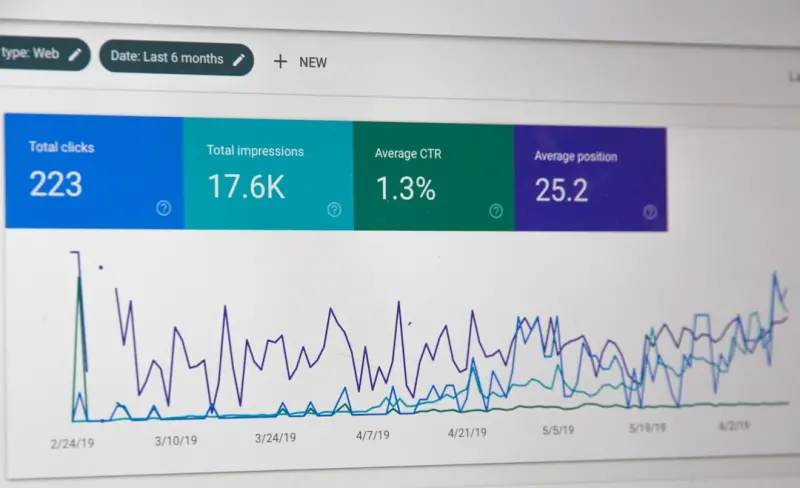
Turning Paid Search Data into a Growth Engine for SaaS
Paid search remains a powerhouse for B2B SaaS. This post reveals a step‑by‑step framework—budg... Read More

Predictive Bidding: The Hidden Engine Driving SaaS SEM Success
Predictive bidding combines AI, first‑party data, and privacy‑first practices to turn every sear... Read More

The Secret Sauce of Privacy‑First SEM: Winning Without Cookies
In a world without third‑party cookies, SEM can still thrive. Learn a three‑step framework—fir... Read More
Top Posts
Unlocking Technical SEO Gold: How Server Log Analysis Supercharges Your Site
Server logs hold the raw conversation between Googlebot and your site. Learn how to decode them, prioritize fixes, and boost rankings with a data‑first techni...Read More
Decoding Google’s Algorithm: What SaaS Marketers Should Really Care About
A deep dive into Google’s multi‑layered ranking engine reveals why SaaS marketers must look beyond keywords, focus on intent, freshness, and entity clusters...Read More

Gamified Referral Marketing: Turning Shoppers into Brand Heroes
Turn ordinary referrals into an immersive game that fuels sales, deepens loyalty, and amplifies your brand with personalized rewards and influencer partnerships...Read More

Riding the 2024 SEO Wave: Rose DesRochers’ Insider Tips for Intent, AI, and Authority
Rose DesRochers shares a 2024 SEO roadmap: prioritize user intent, harness AI responsibly, and boost authority to ride the Google wave and win organic traffic....Read More
0 Comments
Post Comment
You will need to Login or Register to comment on this post!