

Introduction: The Local Landscape is Shifting
When most SaaS marketers think about SEO, the image that pops up is a sprawling web of keywords, backlinks, and technical tweaks aimed at a global audience. Yet, an increasingly powerful slice of the search pie is rooted in the very neighborhoods where our customers live, work, and meet. Local SEO isn’t just for brick‑and‑mortar retailers; it’s a growth engine for SaaS businesses that serve specific regions, niche industries, or community‑focused solutions.
In this post, I’m pulling back the curtain on the tactics that turn “near me” searches into high‑intent SaaS leads. You’ll learn how to mine community signals, build trust at a hyper‑local level, and integrate those wins into your broader inbound strategy—all without sacrificing the scalability that SaaS thrives on.
Why Local SEO Matters for SaaS
Even though SaaS products are delivered over the internet, many purchasing decisions start with a local context:
- Regulatory and compliance requirements. Companies in finance, healthcare, or education often need solutions that meet state‑specific regulations.
- Localized support expectations. Prospects prefer vendors who can demonstrate a physical presence or regional expertise.
- Community‑driven referrals. Word‑of‑mouth spreads faster within tight‑knit business ecosystems.
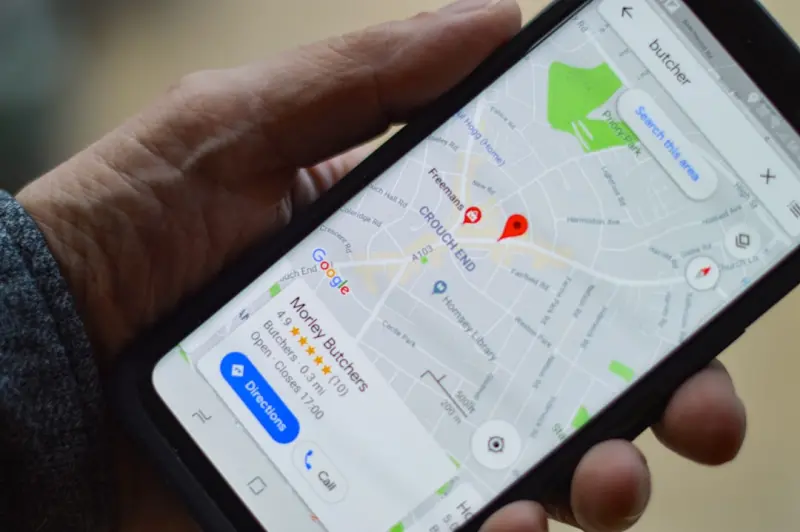
Google’s “near me” queries have surged, and the SERP now features Local Packs, Google Maps snippets, and even localized reviews for B2B services. Ignoring this trend means forfeiting a steady stream of qualified traffic that’s already primed to convert.
Mapping Community Signals: From Hyper‑Local to Hyper‑Relevant
The first step is to understand the “community signals” that Google uses to rank local results. These include:
- Business name, address, and phone (NAP) consistency across directories.
- Local citations from industry‑specific listings (e.g., G2 Crowd, Capterra regional pages).
- Geo‑targeted reviews and ratings.
- Location‑specific content on your own site (city landing pages, case studies, event recaps).
When you align these signals with the intent of your target audience, you create a “hyper‑local relevance map” that tells search engines, “We’re the authority for SaaS solutions in this exact market.” For a deeper dive on intent‑driven strategies, see The Hyper‑Contextual SEO Playbook.
Claiming and Optimizing Your Business Listings
Google Business Profile (GBP) remains the cornerstone of local visibility. Here’s a checklist to turn a basic listing into a conversion magnet:
- Complete every field. Include a detailed description, service categories, business hours (even for support), and a local phone number.
- Upload high‑quality images. Show your office, team, and screenshots of your SaaS dashboard to humanize the brand.
- Leverage Q&A. Seed common questions about regional compliance or pricing tiers, then answer them with clear, keyword‑rich copy.
- Encourage reviews. Prompt satisfied customers to leave a rating, and respond promptly to both positive and negative feedback.
Don’t forget to duplicate this effort across Bing Places, Apple Maps, and niche directories that your target industry trusts.
Harnessing User‑Generated Content for Local Trust
Reviews are the currency of local trust. But beyond star ratings, the textual content of reviews offers SEO gold:
- Extract location‑specific phrases (“Great support for New York‑based teams”) and embed them in your site’s testimonial carousel.
- Use review snippets in structured data (see the next section) to surface rich results directly in the SERP.
- Run localized case study campaigns: ask a happy client in a particular city to co‑author a blog post, then promote it through local media outlets.
When you treat reviews as a two‑way dialogue, you not only boost rankings but also nurture long‑term advocacy.
The Power of Local Structured Data
Schema markup isn’t just for product pages. By implementing LocalBusiness and Review schema, you give Google the precise data it needs to display your SaaS business in the Local Pack. Key fields include:
address– Use the same format across your site and GBP.geo– Latitude and longitude coordinates for map accuracy.priceRange– Even SaaS can convey pricing tiers (“$$” for mid‑market).openingHours– Translate support hours into a local context.
Testing tools like Google’s Rich Results Test ensure your markup renders correctly. A well‑structured profile can earn you a “knowledge panel” that appears before the traditional organic listings, dramatically increasing click‑through rates.
Building a Local Backlink Ecosystem
Backlinks remain a core ranking factor, but in the local arena they carry an extra layer of relevance. Strategies include:
- Partner with local chambers of commerce. Offer to host webinars on SaaS compliance for regional businesses, then secure a
hreffrom their event page. - Contribute guest posts to industry newsletters. Target publications that serve a specific city or state (“Boston Tech Review”).
- Sponsor community events. A tech meetup or hackathon often results in a link from the event’s website and a boost in local brand awareness.
- Leverage local universities. Offer free licenses for student projects and ask for a link from the department’s resources page.
These links not only improve rankings but also embed your brand within the local business fabric—an intangible asset that outlasts any algorithm update.
Measuring Success with Hyper‑Local Metrics
Traditional SEO KPIs—organic traffic, backlinks, domain authority—still matter, but local SEO demands a few additional lenses:
- Local Pack impressions. Track how often your GBP appears in the 3‑slot Local Pack for target queries.
- Google Maps clicks. Measure phone calls, direction requests, and website clicks that originate from Maps.
- Geo‑segmented conversions. Use UTM parameters tied to city landing pages to attribute leads to specific locales.
- Review velocity. Monitor the rate of new reviews per month; a healthy flow signals ongoing relevance.
Combine these with your existing SaaS analytics platform to see the full funnel: from a “near me” search to a qualified trial sign‑up.
Integrating Local SEO with Your Broader SaaS Strategy
Local SEO should not exist in a silo. Here’s how to weave it into your overall inbound engine:
- Content synergy. Repurpose local case studies into webinars, whitepapers, and gated assets that feed your lead‑nurture workflows.
- Paid search alignment. Run geo‑targeted Google Ads that complement organic local rankings, especially for high‑value, competitive keywords.
- Social proof amplification. Share locally sourced testimonials on LinkedIn and Twitter, tagging the city or business to increase relevance.
- Internal linking strategy. Connect city landing pages back to core product pages using logical anchor text. For a deeper look at linking power, see Why Internal Linking Is the Secret Weapon for SaaS SEO Growth.
This holistic approach ensures that local wins amplify, rather than dilute, your brand’s global reach.
Future‑Proofing Your Local Presence
Search is evolving, and local signals are becoming even more granular. Keep an eye on these emerging trends:
- Voice‑first “near me” queries. As smart speakers proliferate, users will ask for “SaaS tools for accounting in Chicago.” Optimize for conversational, location‑specific phrasing.
- Augmented reality (AR) local discovery. Imagine a prospect pointing their phone at a coworking space and seeing a pop‑up offering a trial of your collaboration platform.
- Hyper‑local micro‑moments. Real‑time events (e.g., a local data‑privacy law change) create immediate search spikes that savvy SaaS brands can capture with timely blog posts or webinars.
By staying proactive, you turn local SEO from a “nice‑to‑have” into a sustainable competitive moat.
Conclusion: Turn Neighborhoods into Revenue Pipelines
Local SEO isn’t a side project; it’s a strategic lever that can funnel high‑intent, region‑specific traffic directly into your SaaS funnel. By mastering community signals, optimizing listings, harvesting reviews, and weaving local backlinks into a broader content ecosystem, you’ll not only climb the SERP but also build lasting trust within the neighborhoods that matter most to your business.
Start today: audit your NAP consistency, claim every relevant directory, and craft a city‑focused case study. The local search landscape is waiting—let’s claim the top spot together.

Margaret Thomson is a seasoned freelance writer specializing in the dynamic worlds of marketing and advertising. With a career deeply rooted in the marketing field, Margaret brings a wealth of practical experience and insightful knowledge to her writing.
Related Posts

From Town Halls to Top Rankings: A SaaS Playbook for Event‑Driven Local SEO
Discover a step‑by‑step guide that shows SaaS companies how to leverage community events, struct... Read More

Hyper‑Local Content Hubs: Turning Street‑Level Searches into Loyal Customers
Discover the power of hyper‑local content hubs—micro‑geography targeting, community‑driven a... Read More
Beyond the Map Pin: Hyper‑Local SEO Tactics That Convert
Ryan Paterson reveals fresh hyper‑local SEO tactics, from geo‑fencing content to community colla... Read More
Top Posts

The Hidden SEO Goldmine in WordPress Taxonomies
Learn a fresh SEO strategy for WordPress: use taxonomies to create structured content hubs, improve internal linking, and capture new organic traffic....Read More

Unlocking Hyper‑Local Growth: The Territory Intelligence Engine for SaaS
A fresh, data‑centric approach to local SEO shows SaaS companies how to turn zip‑code signals into a scalable growth engine, using structured markup, AI‑o...Read More

Rose DesRochers’ Insider SEO Tips for 2024: From Intent to AI
Rose shares her fresh, actionable SEO tips for 2024, focusing on intent-driven content, AI-powered insights, and authority signals that will help marketers ride...Read More

Master the Intent-First Playbook: Proven SEO Tips for Today's Search Landscape
Learn how to shift from keyword‑stuffing to an intent‑first approach with practical tips on mapping user journeys, structured data, internal linking, and vo...Read More
0 Comments
Post Comment
You will need to Login or Register to comment on this post!