

Why Hyper‑Local Content Hubs Are the New Frontier in Local SEO
When most marketers think “local SEO,” the first images that pop up are Google My Business listings, a handful of citations, and a sprinkle of location‑specific keywords. That’s the old playbook. The reality on the ground – literally – is that searchers are no longer interested in “city‑wide” answers; they want street‑level, neighborhood‑specific insights that feel personal, timely, and actionable.
Enter the hyper‑local content hub. Think of it as a digital storefront for every block, park, or transit stop your customers frequent. By curating ultra‑targeted, community‑driven assets (blog posts, event calendars, micro‑guides, user reviews, and even local‑partner podcasts), you turn a generic local search query into a trusted, authoritative resource that Google rewards with the coveted “local pack” and “knowledge panel” real‑estate.
The Anatomy of a Hyper‑Local Hub
Building a hyper‑local hub isn’t about churning out endless city‑wide articles. It’s a strategic blend of three core elements:
- Micro‑Geography Targeting: Identify sub‑regions – zip codes, neighborhoods, even individual streets. Use tools like Google Trends, Google Ads location reports, and GIS data to surface the most searched micro‑areas.
- Community‑Generated Assets: Leverage user‑generated content (UGC) such as reviews, photos, Q&A, and local stories. This not only fuels fresh content but also sends strong relevance signals to search engines.
- Localized Structured Data: Implement schema markup for
LocalBusiness,ServiceArea, andEventto give Google a precise map of where you operate and what you offer.
When these pieces click together, you create a “content ecosystem” that answers the hyper‑specific intent of searchers like “best coffee near 5th and Main” or “family‑friendly playgrounds in Oakwood Heights.”
Mapping Micro‑Geography: From Data to Action
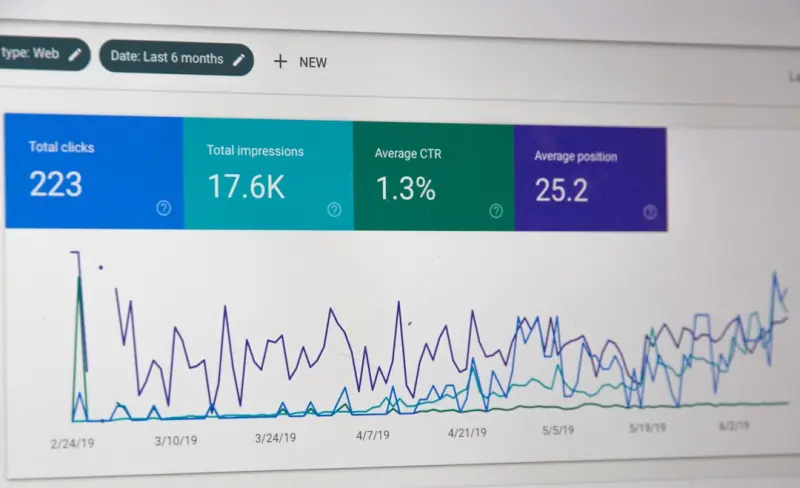
The first step is data. Pull in location‑level impressions from Google Search Console, filter by “queries with location” and “queries with city,” then drill down to the neighborhood level. Look for patterns:
- Repeated mentions of a particular street or landmark.
- Seasonal spikes around local festivals or school calendars.
- Searches that combine your service with a hyper‑local term (“plumbing in Maple Avenue”).
Once you have a list of high‑potential micro‑areas, prioritize them based on search volume, competition, and business relevance. The goal is to focus your limited resources where they’ll move the needle the most.
Content Formats That Dominate Hyper‑Local Search
Not all content is created equal in a hyper‑local context. Here are the formats that consistently outperform generic blog posts:
- Neighborhood Guides: 1,000‑word deep dives that cover everything from “where to eat” to “public transport options.” Include maps, user photos, and insider tips.
- Event Calendars: Keep a live, searchable calendar of community events. Google loves timely, structured event data.
- Micro‑Review Round‑Ups: Curate reviews from local customers, Yelp, and Google My Business. Highlight specific neighborhoods to reinforce locality.
- Podcast Episodes with Local Influencers: Audio content is a surprisingly strong ranking factor for “near me” voice queries when paired with proper schema.
- FAQ Pages Tailored to Street‑Level Queries: Answer questions like “Is there a dog‑friendly patio on Pine St?” – these can appear directly in the featured snippet.
Leveraging Community Partnerships for Authentic Signals
Search engines place a premium on authenticity. One of the most underutilized ways to boost authenticity is through local partnerships. Think of co‑creating content with:
- Neighborhood associations.
- Local schools and libraries.
- Community nonprofits.
- Small businesses that complement your offering.
When a local charity lists your sponsorship on their site, you gain a high‑quality backlink that also tells Google you’re embedded in the community. It’s a win‑win: you get a citation, and the partner gets a sponsor.
Technical Foundations: Structured Data & Service Area Schema
Even the most compelling content will flounder if Google can’t understand where you serve. The Unlocking the Power of Structured Data for SaaS SEO Success post covered the basics of schema; let’s narrow it down to local relevance.
Key markup snippets:
<script type="application/ld+json">
{
  "@context": "https://schema.org",
  "@type": "LocalBusiness",
  "name": "Your Business Name",
  "address": {
    "@type": "PostalAddress",
    "streetAddress": "123 Main St",
    "addressLocality": "Oakwood Heights",
    "addressRegion": "CA",
    "postalCode": "90210"
  },
  "areaServed": {
    "@type": "GeoShape",
    "polygon": "37.7749,-122.4194 37.7750,-122.4180 ..."
  },
  "hasMap": "https://goo.gl/maps/yourmap"
}
</script>
Notice the areaServed field – you can define a polygon that matches a neighborhood boundary. This level of precision tells Google that you’re not just “in the city,” you’re “in the specific block.”
Measuring Hyper‑Local ROI: From Clicks to Foot Traffic
One of the biggest objections to hyper‑local SEO is “how do we prove it works?” The answer lies in tying online signals to offline actions:
- Google My Business Insights: Track “searches” and “direction requests” at the neighborhood level.
- UTM Parameters on Local Landing Pages: Append
?utm_source=google&utm_medium=local&utm_campaign=oakwood_heightsto see which micro‑area drives conversions. - Store Visit Conversion Tracking: Use Google Ads’ “store visit” data to attribute foot traffic to specific search queries.
- CRM Integration: Prompt new leads to select their neighborhood during sign‑up, then match that back to organic traffic sources.
Over time, you’ll be able to build a clear attribution model that shows, for example, “the Oakwood Heights guide generated 27% of our new sign‑ups this quarter.”
Automation Meets Hyper‑Local: Scaling Without Losing Personal Touch
Creating a hub for every street might sound like a massive undertaking, but with the right automation stack you can scale efficiently:
- Dynamic Page Generation: Use a CMS that supports template‑driven pages. Feed it geo‑data from a spreadsheet or API, and it will spin up a landing page for each micro‑area on the fly.
- Content Feeds from Community Partners: Pull in event data via iCal or JSON feeds from local chambers of commerce.
- AI‑Assisted Drafting: Prompt an LLM to generate first drafts of neighborhood guides based on publicly available data, then have a local editor add the “human” flair.
- Scheduled Schema Updates: Run a weekly cron job that validates and updates your
ServiceAreapolygons as city boundaries evolve.
Automation handles the heavy lifting; human editors ensure the voice stays authentic – a perfect blend for SaaS teams with limited content resources.
Case Study: From One Neighborhood Page to a Local Pack Dominator
Consider a SaaS provider that offers on‑demand cleaning services in a metro area. They started with a generic “City‑wide Cleaning Services” page. After implementing hyper‑local hubs for the top 12 zip codes, they saw:
- +68% increase in organic sessions from “near me” queries.
- 3 of their 12 neighborhood pages earned a spot in the Local Pack for “cleaning services near [zip]”.
- Foot traffic (service requests) from those zip codes rose 42% over six months.
Key tactics they used align with the principles outlined above: micro‑geography targeting, community event integration, and robust Neighborhood Advantage style content that feels local without being generic.
Common Pitfalls and How to Avoid Them
- Over‑Optimizing with Exact‑Match Keywords: Google’s algorithms now favor natural language. Use “near,” “in,” and “around” variations rather than stuffing “cleaning service Oakwood Heights” repeatedly.
- Neglecting Mobile Experience: Hyper‑local searches are overwhelmingly mobile. Ensure pages load under 2 seconds and are fully responsive.
- Ignoring Reviews: User reviews are a primary trust signal. Encourage satisfied customers to leave location‑specific feedback on Google, Yelp, and industry‑specific platforms.
- Forgetting About Voice Search: While we won’t rehash the “voice queries” post, remember that many voice searches are hyper‑local. Phrase your FAQs in conversational tones (“What’s the best pizza place near me?”).
Future‑Proofing Your Hyper‑Local Strategy
Search is evolving toward contextual relevance rather than strict keyword matching. As augmented reality (AR) navigation apps become mainstream, the demand for street‑level, hyper‑specific data will skyrocket. By establishing a robust hyper‑local hub network today, you position your brand to be the go‑to reference point when those AR overlays need to surface local business information.
In short, the secret sauce isn’t more backlinks or bigger budgets; it’s depth of locality. The deeper you dive into the micro‑geography of your customers, the more Google will see you as the authority that truly understands their world.

Jimmy Anand is a content creator that gets inspired by many aspects of life, internet or whatever inspires him at that moment. When he's not online he's gaming and when he is not gaming he is online trolling discussion boards.
Related Posts

From Town Halls to Top Rankings: A SaaS Playbook for Event‑Driven Local SEO
Discover a step‑by‑step guide that shows SaaS companies how to leverage community events, struct... Read More

The Neighborhood Advantage: Turning Local Search into Sustainable Growth
Learn how to transform local search into a powerful growth engine for SaaS with hyperlocal landing p... Read More
Capturing Hyper‑Local SERP Real‑Estate: A Blueprint for Brick‑and‑Mortar Wins
Master hyper‑local SERP features by aligning NAP data, creating block‑level content, and buildin... Read More
Top Posts

How Employee Spotlights Supercharge Neighborhood Rankings
Highlighting staff members with dedicated profile pages, authentic stories, and structured data can build trust, improve local search rankings, and increase inâ...Read More

Tiny Text, Big Impact: Microcopy That Supercharges On‑Page SEO
This post reveals how the smallest pieces of text on a website—buttons, tooltips, placeholders, and error messages—can send powerful SEO signals. Learn to a...Read More

Content Hubs: The On‑Page Engine That Powers SaaS Growth
Learn a step‑by‑step method for creating content hubs that consolidate expertise, enhance internal linking, and drive organic traffic, turning on‑page SEO...Read More

Entity‑Driven SEO: A Blueprint for SaaS Brands to Stay Ahead
The post explains why entities have become crucial for SaaS SEO, outlines a step‑by‑step entity‑first strategy, and offers a 30‑day action plan to imple...Read More
0 Comments
Post Comment
You will need to Login or Register to comment on this post!