
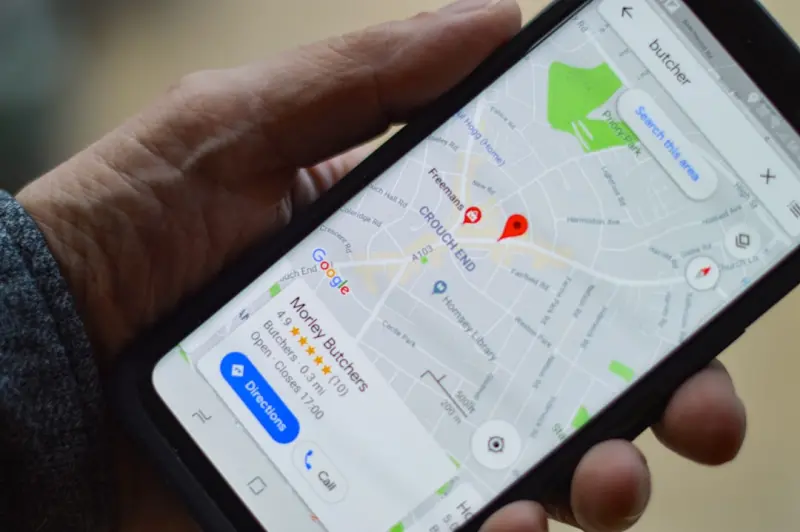
Why Hyper‑Local Signals Matter More Than Ever
When I first started optimizing for local search, the rulebook was simple: claim your Google Business Profile, gather a handful of reviews, and sprinkle your city name throughout the copy. Today, that playbook feels archaic because search engines have become far more attuned to hyper‑local intent. A shopper in a downtown plaza isn’t just typing “coffee shop”; they’re saying “where can I grab a latte within a two‑block radius right now?” Google now weighs micro‑geographic data—like the exact latitude of a storefront, the foot traffic patterns of a street, and even the time‑of‑day activity spikes. Ignoring these signals means surrendering potential customers to competitors who have already layered their content with precise geo‑fencing cues. By aligning your SEO strategy with these granular signals, you can surface in the “near me” carousel before anyone else, turning a casual browser into a foot‑traffic boost. The shift from city‑wide to block‑level relevance is the new battleground, and the winners will be those who treat location as a dynamic, data‑driven asset rather than a static label.
Geo‑Fencing Content: Turning Neighborhood Borders into Ranking Levers
Geo‑fencing isn’t just a marketing buzzword; it’s a practical framework for structuring your site’s content around real‑world boundaries. Imagine a boutique bakery that serves three distinct neighborhoods—each with its own character, events, and footfall patterns. Instead of a single “Our Services” page, you create dedicated landing pages for “Bakery Near Riverfront Park,” “Bakery Serving Historic District,” and “Bakery for College Campus.” Each page embeds localized schema, mentions neighborhood landmarks, and references upcoming community events. This approach does two things: it signals to Google the precise relevance of each page to a micro‑area, and it gives residents a feeling of tailored service. A well‑crafted geo‑fence page might include:
- Neighborhood‑specific keywords (e.g., “artisan bread near Riverfront Park”).
- Embedded Google Maps with a custom pin.
- Links to local event calendars or partner businesses.
By weaving these elements together, you create a network of hyper‑targeted pages that collectively boost your overall domain authority while satisfying the search engine’s appetite for precise, context‑rich content.
Voice Search Optimization: Conversational Queries at the Corner Store
With the proliferation of smart speakers and mobile assistants, voice search has transformed the way people ask for nearby services. Instead of typing “pizza delivery downtown,” a user might say, “Hey Google, find the best pizza place that delivers within a mile of me.” This shift demands a conversational SEO approach. First, identify the natural language questions your audience is likely to utter. Tools like Answer the Public can reveal phrases such as “where can I get vegan tacos near me?” or “who offers 24‑hour dog grooming in my area?” Next, embed these questions and their concise answers directly into your page’s FAQ schema, ensuring Google can surface them in voice results. Finally, optimize for the “near me” modifier by including your exact address, service radius, and opening hours in both the visible copy and hidden structured data. The goal is to make your business the default spoken answer, turning a casual voice query into an immediate foot‑traffic driver.
Community Partnerships: Building Local Authority Beyond Directories
Traditional local citations—Yelp, TripAdvisor, the Yellow Pages—still matter, but they’re no longer the sole path to local authority. Real, offline collaborations can generate high‑quality backlinks and signal genuine community involvement to search engines. Sponsor a local charity run, co‑host a workshop with a nearby college, or provide exclusive discounts to members of a neighborhood association. Each partnership should be documented on both partners’ websites, ideally with a dedicated “Community Involvement” page that includes rel=“author” tags and location‑specific schema. These backlinks are often more valuable than generic directory links because they originate from trusted, locally relevant domains. Moreover, community members tend to share these collaborations on social media, amplifying your brand’s reach and reinforcing the hyper‑local relevance Google looks for. In my experience, the most impactful local SEO wins come from genuine relationships that turn neighbors into brand ambassadors.
User‑Generated Content: Harnessing Micro‑Reviews and Local Stories
While a five‑star rating can boost credibility, it’s the nuanced, location‑specific stories that truly resonate with both users and search algorithms. Encourage customers to mention the exact street, nearby landmarks, or the specific problem they solved with your product. For example, a plumbing service could ask a client to note, “Fixed a burst pipe on Maple Street just after the rainstorm.” These micro‑reviews can be showcased on product pages, service pages, and even embedded in Google Business posts. To amplify their SEO value, use schema.org/Review markup that captures the reviewer’s location and the date of service. Additionally, create a “Customer Stories” section that curates these anecdotes into compelling narratives, complete with photos and maps. Not only does this enrich your site’s content, but it also signals to search engines that your business is actively serving the community, a factor that can boost your ranking for hyper‑local queries.
Structured Data for Local Intent: Turning Schema Into a Ranking Engine
Structured data is the secret sauce that translates your hyper‑local content into machine‑readable signals. By implementing structured data specifically designed for local businesses—such as LocalBusiness, GeoCoordinates, and ServiceArea—you give Google a clear map of your service radius and relevance. For instance, a dental clinic can define a service area that includes “Downtown” and “Riverfront,” while also listing accepted insurance providers as additional attributes. This granular markup helps Google surface your business in the “near me” carousel, especially when users include specific neighborhood names. Remember to keep the JSON‑LD snippets up‑to‑date whenever you expand your service area or adjust operating hours; stale data can confuse search engines and erode trust. Properly implemented schema acts like a lighthouse, guiding nearby searchers straight to your virtual doorstep.
Multimodal Assets: Images, Video, and Voice for Hyper‑Local SERPs
Search results are no longer limited to text; they now showcase a blend of images, videos, and audio snippets, especially for local queries. A well‑optimized multimodal AI search strategy can dramatically improve visibility. Start by geotagging every photo you upload—include the exact coordinates of your storefront, interior, and popular local landmarks. For video, create short, location‑focused tours that highlight neighborhood attractions alongside your product or service, then embed these videos on relevant landing pages with localized captions. Voice‑over narrations can be optimized for the same conversational queries discussed earlier, reinforcing the connection between your brand and the local intent. Finally, add descriptive alt text that includes neighborhood names and specific services. This multimodal approach not only enriches the user experience but also provides additional indexing opportunities, allowing your business to appear in image carousels, video snippets, and even emerging voice‑first search results.
Measuring Hyper‑Local Impact: From Search Insights to Foot Traffic
All the optimization in the world is meaningless without accurate measurement. Google Business Profile now offers Insights that break down searches by “direct,” “discovery,” and “brand” queries, as well as the distance users traveled before clicking. Combine this data with Google Analytics’ “Location” dimensions to see which geo‑fenced pages drive the most sessions and conversions. For offline validation, use a simple UTM parameter on QR codes displayed in your store window; when scanned, they feed directly into your analytics, linking foot traffic to specific hyper‑local campaigns. Another powerful metric is the “store visit” conversion in Google Ads, which estimates how many ad clicks resulted in a physical visit. By triangulating these data sources, you can pinpoint which neighborhoods respond best to your geo‑fence content, voice search optimization, or community partnership initiatives, allowing you to allocate resources where they generate the highest ROI.
Actionable Roadmap: From Strategy to Execution
To turn these concepts into tangible results, start with a three‑phase roadmap. Phase one—Audit: map your existing local citations, identify micro‑neighborhoods, and assess current schema implementation. Phase two—Build: create geo‑fenced landing pages, embed localized structured data, and produce multimodal assets that showcase community ties. Phase three—Promote: launch voice‑search‑friendly FAQs, secure community partnership backlinks, and encourage micro‑reviews that mention specific streets or landmarks. Throughout each phase, set clear KPIs—such as a 20% increase in “near me” impressions or a 15% rise in foot‑traffic conversions within three months—and monitor them via the measurement techniques outlined above. By treating hyper‑local SEO as a continuous, data‑driven process rather than a one‑off checklist, you’ll not only dominate the digital map pin but also convert those clicks into loyal, repeat customers who keep coming back for more.

Ryan Paterson is known for his dedication, innovative mindset, and unique skills that set him apart from the crowd. . From his early years, he displayed a natural talent for thinking outside the box and approaching challenges with a fresh perspective.
Related Posts

Community‑Centric Local SEO: Turning Neighborhood Relationships into Ranking Power
Discover how a community‑centric approach—heatmaps, local content pods, strategic partnerships, ... Read More

Community‑Driven Local SEO: Turning Neighborhood Voices into Ranking Power
Discover how SaaS companies can harness community‑generated reviews, neighborhood platforms, and l... Read More

Beyond the Map Pin: Building a Neighborhood‑First SEO Engine for SaaS
A deep dive into neighborhood‑first SEO for SaaS, covering micro‑geography content hubs, communi... Read More
Top Posts

Strategic Link Gap Mapping: A Data‑Driven Blueprint for Modern Link Building
Learn how to transform link building with a strategic gap analysis, tiered outreach, and micro‑influencer collaborations for sustainable SEO growth....Read More

Structured Data Strategies to Boost SaaS SEO
Learn why structured data is essential for modern SaaS SEO, how to choose the right schema, and step‑by‑step tactics to implement, test, and scale rich resu...Read More

Beyond Keywords: Navigating Neural Search and Embedding‑Based Rankings
Neural search is quietly changing how search engines rank content. This post breaks down the technology, its impact on classic SEO tactics, and provides a stepâ...Read More

The Intent‑First Surge: How Search Is Shifting Toward Real User Goals
A deep dive into the intent‑first SEO revolution, revealing why it matters, practical moves for marketers, and how it will shape future Google rankings and co...Read More
0 Comments
Post Comment
You will need to Login or Register to comment on this post!