

Why Local SEO Is No Longer a Side Quest for SaaS Brands
When I first joined a SaaS startup, the mantra was “think globally, act globally.” That mindset served us well for headline‑grabbing, product‑led growth, but it also left a blind spot: the neighborhoods, districts, and even city blocks where our customers actually live and work. Today, the most successful SaaS companies are treating local SEO not as an afterthought, but as a strategic pillar that fuels brand trust, reduces acquisition cost, and unlocks a steady pipeline of hyper‑qualified leads.
The “Local” Myth: It’s Not Just for Brick‑and‑Mortar
Most marketers still associate local SEO with coffee shops, hair salons, or auto repair shops. That’s a misconception that hurts SaaS businesses with any physical footprint—whether it’s a regional data center, a customer success office, or a series of live‑training events. Even fully remote SaaS products benefit from local signals because search engines increasingly answer “near me” queries with relevance, not just proximity.
Imagine a procurement manager in Denver searching for “invoice automation software near me.” Google isn’t just looking for a company headquartered in Denver; it’s evaluating local reviews, localized content, and community endorsements. If your SaaS brand can surface in that SERP, you instantly become a more credible option than a generic, nationwide competitor.
Three Pillars of a Hyper‑Local SEO Engine
From my experience building growth loops, I’ve boiled down local SEO into three interlocking pillars:
- Geo‑Targeted Authority Assets – Dedicated landing pages, case studies, and blog posts that speak the language of a specific city or region.
- Community‑Driven Signals – Reviews, local backlinks, and partnerships that demonstrate genuine involvement in the area you serve.
- Technical Foundations for Local Discovery – Structured data, optimized Google Business Profiles, and server‑side configurations that make it easy for search bots to understand your locality.
Each pillar feeds the others, creating a virtuous cycle where relevance begets authority, and authority fuels more relevance.
1️⃣ Build Geo‑Targeted Authority Assets Without Diluting Your Brand Voice
Many SaaS marketers shy away from localized pages for fear of cannibalizing the main product narrative. The solution is to create micro‑pages that retain the core brand promise but weave in regional specifics.
Start with a data‑driven audit:
- Identify the top 10–15 markets that generate the most qualified leads (use CRM, Google Analytics, and paid‑media insights).
- Research local terminology, industry events, and pain points unique to each market.
- Draft a template that includes a localized headline, city‑specific case study snippets, and a CTA that references a local sales rep or office.
Here’s a quick example of a city‑focused headline:
“How Chicago’s Finance Teams Cut Invoice Processing Time by 45% with XYZ Platform”
Notice the blend of brand name, city, and a quantifiable result. This pattern signals relevance to both users and search engines.
When you scale, keep the pages lightweight: avoid duplicate content by using rel="canonical" tags pointing to the master product page, and employ Dynamic On‑Page SEO: Marrying User Behavior with Search Signals to serve personalized snippets based on the visitor’s IP‑derived location.
2️⃣ Leverage Community‑Driven Signals to Earn Trust
Local SEO thrives on social proof. For SaaS, that means gathering reviews not just on generic platforms like G2, but also on city‑specific directories, chamber of commerce sites, and industry meet‑ups.
Action steps:
- Partner with local tech meet‑ups – Sponsor a monthly “SaaS in Seattle” breakfast. Capture photos, speaker bios, and post‑event recaps on your localized page. The event listing itself becomes a backlink from the meet‑up’s website.
- Encourage customers to leave Google Business Profile reviews – Offer a small incentive (e.g., a free month of premium support) for a quick 1‑minute review. A handful of five‑star reviews in a specific city can dramatically lift the local pack ranking.
- Earn citations from local business directories – Even niche directories like “Best SaaS Solutions for Boston Startups” carry weight because they’re curated by local editors.
These community signals do double duty: they improve rankings and provide fresh, user‑generated content that feeds the first pillar’s content engine.
3️⃣ Technical Foundations: The “Local SEO Boilerplate”
If you’ve ever wrestled with crawl budget (see my deep dive on Crawl Budget Mastery), you know that search bots love a well‑structured site. For local SEO, the technical checklist expands:
- Google Business Profile (GBP) Optimization – Fill out every field, add high‑resolution images of your office or local team, and keep operating hours up‑to‑date.
- Local Business Schema – Implement
LocalBusinessJSON‑LD markup on each geo‑page. Includeaddress,telephone, andgeoCoordinatesto help Google surface a Knowledge Panel. - NAP Consistency – Ensure Name, Address, Phone number are identical across GBP, your website footer, and third‑party directories.
- Mobile‑First Performance – Local searches are 70% mobile. Your localized pages must load under 2 seconds, leverage lazy loading for images, and pass Core Web Vitals.
- Geo‑Redirects with Care – Avoid hard redirects based on IP; instead, use a subtle banner (“You’re in Austin – see our local success stories”) that respects user choice and prevents accidental cloaking penalties.
Local Link‑Building: From Partnerships to Authority
Traditional link‑building tactics (guest posts on industry blogs) still matter, but local SEO demands a more community‑centric approach. Here are three tactics that have yielded consistent results for my clients:
- Co‑Create Content with Local Influencers – Identify tech bloggers or podcasters in each target city. Offer them a data‑driven case study in exchange for a mention on their site and a backlink.
- Earn “Resource” Placement on City Websites – Many municipalities maintain “Business Resources” pages. Pitch a concise guide (e.g., “How to Secure SaaS Contracts with City Agencies”) and secure a link.
- Host Hyper‑Local Webinars – A “Los Angeles CFO Roundtable” webinar, promoted through local chambers, generates both sign‑ups and a post‑event landing page that naturally attracts local backlinks.
Remember, relevance trumps quantity. A single backlink from a reputable local university’s business school can outweigh dozens from generic directories.
Measuring Local SEO Success: KPIs That Matter
Many teams fall into the trap of tracking generic metrics like overall organic traffic, which masks the performance of your local effort. Here’s the KPI stack I recommend:
| Metric | Why It Matters |
|---|---|
| Local Pack Impressions | Shows how often your business appears in the 3‑result “near me” box. |
| Click‑Through Rate (CTR) from Local Pack | Indicates relevance of your GBP and snippet. |
| Geo‑Specific Organic Sessions | Tracks traffic to each city landing page. |
| Local Conversion Rate | Measures how many local visitors become qualified leads (demo requests, trial sign‑ups). |
| Review Volume & Rating | Directly correlates with local pack ranking. |
| Local Backlink Growth | Shows authority building in each market. |
Set up Google Search Console filters for each city page, and use Google Data Studio (or Looker Studio) to visualize trends. A 20% lift in local pack impressions usually translates to a 5–7% boost in overall lead volume.
Case Study: Turning a Regional Office into a Lead Engine
One of my recent projects was with a SaaS payroll platform that opened a support hub in Austin. The goal was simple: turn the physical presence into a top‑of‑funnel funnel.
- Localized Landing Page – We built
/solutions/austin-payroll-softwarefeaturing a video interview with the Austin support lead, a map of the office, and three Austin‑specific case studies. - GBP Activation – The team verified the Austin address, added photos of the office, and posted weekly updates about local meet‑ups.
- Community Outreach – Partnered with the Austin Chamber of Commerce to sponsor a “Payroll Compliance” webinar, resulting in 12 high‑quality backlinks.
- Review Sprint – Encouraged existing Austin customers to leave reviews. Within two months, the business profile rose from 3‑star to 4.8‑star.
Result: Within 90 days, the Austin page captured the #1 spot in Google’s local pack for “payroll software Austin,” generating 350 organic leads—an 84% increase over the previous quarter.
Future‑Proofing Your Local SEO Strategy
Local SEO is not a set‑and‑forget tactic. As voice assistants and augmented reality (AR) maps become mainstream, the “near me” query will evolve into “find me a SaaS solution that can meet me at my desk right now.” To stay ahead:
- Optimize for Voice Search – Include natural language queries (“Where can I get payroll software in Austin?”) in your FAQ sections.
- Leverage Structured Data for AR – Mark up your office locations with
Placeschema so AR navigation apps can point users directly to your building. - Monitor Emerging Local SERP Features – Google is rolling out “local packs” for B2B services, complete with pricing and demo links. Keep your GBP and schema up‑to‑date to claim those slots.
By treating local SEO as a living, breathing part of your growth engine, you’ll capture demand that other SaaS brands simply overlook.
Wrapping Up: Your Local SEO Playbook in Ten Steps
- Map your top revenue‑generating markets.
- Build city‑specific landing pages with unique data points.
- Implement LocalBusiness schema and ensure NAP consistency.
- Fully optimize your Google Business Profile for each location.
- Harvest and showcase localized customer reviews.
- Partner with local tech communities for backlinks.
- Host hyper‑local webinars and events.
- Track local pack impressions, CTR, and conversion rates.
- Iterate content based on performance data (use dynamic on‑page SEO tactics).
- Future‑proof with voice search and AR‑ready markup.
When you follow this roadmap, you’ll see not only an uptick in local visibility but also a measurable lift in qualified leads—proof that local SEO is a strategic advantage, not a niche afterthought.

Tammy French is a Montessori Teaching Assistant and freelance writer passionate about education, creativity, and inspiring lifelong learning through engaging content.
Related Posts

Neighborhood Authority: A Tactical Guide to Hyperlocal SEO Mastery
Discover a step‑by‑step hyperlocal SEO playbook that helps you dominate neighbourhood‑level se... Read More

The Secret Sauce Behind Neighborhood‑Level Search Dominance
Discover a step‑by‑step framework for hyper‑local SEO that blends neighborhood‑specific cont... Read More
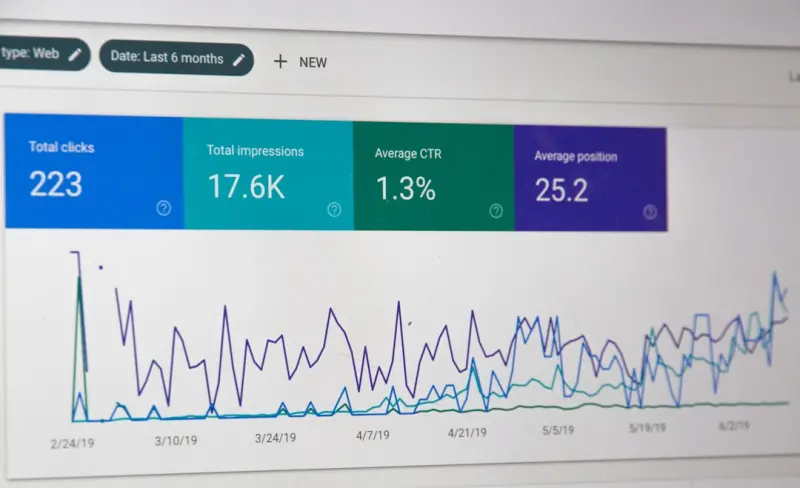
Local Business Alliances: A Fresh Engine for Search Visibility
A new approach to local SEO that leverages community alliances, geo‑fencing, and rich structured d... Read More
Top Posts
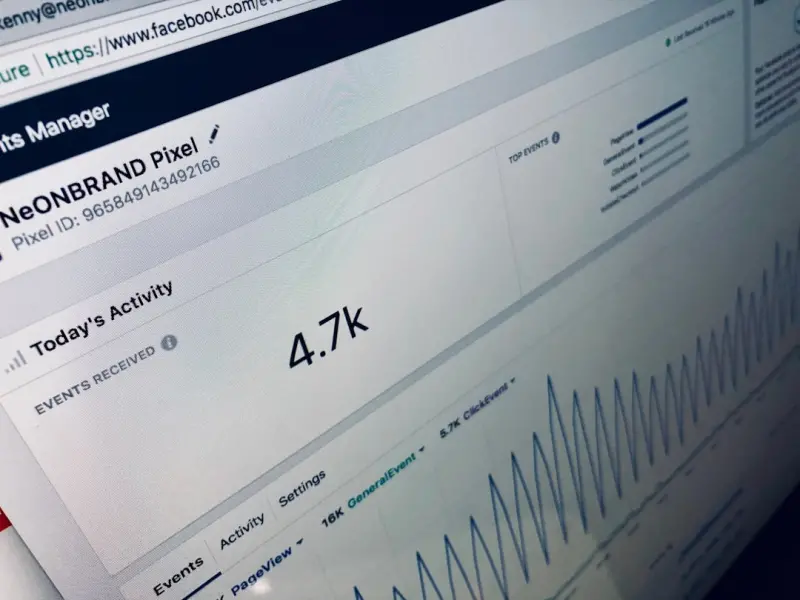
How Facebook Events and Check‑Ins Can Boost Your Online Visibility
Learn to turn Facebook events and attendee check‑ins into powerful tools for organic discoverability, leveraging data and cross‑posting for lasting online v...Read More
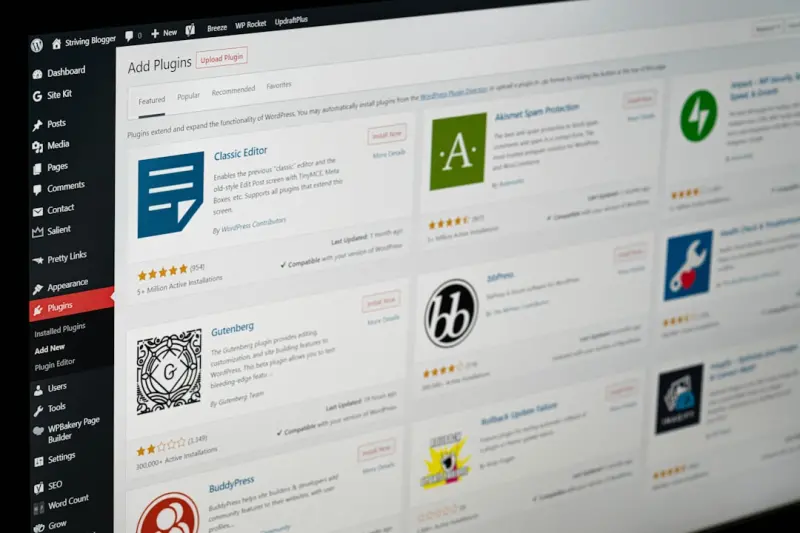
Scaling Authority with WordPress Multisite: An SEO Playbook
Unlock the SEO potential of WordPress Multisite. This guide reveals how to consolidate authority, boost rankings, and scale content across a network of sites....Read More

Riding the 2024 SEO Wave: Rose DesRochers' Insider Strategies for Google Dominance
Rose DesRochers reveals the 2024 SEO playbook, blending AI insights, contextual ranking, and Core Web Vitals into a practical roadmap for Google dominance....Read More

Link Building for SaaS: Turning Data Into Authority‑Driving Backlinks
Learn how to create data‑rich, community‑driven assets that attract high‑authority backlinks, integrate with your SEO strategy, and future‑proof your Sa...Read More
0 Comments
Post Comment
You will need to Login or Register to comment on this post!