
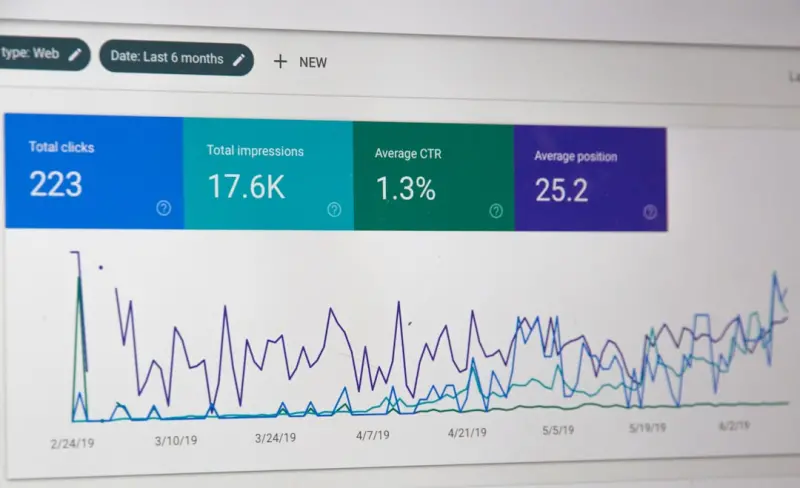
When I first started thinking about SEO beyond the classic keyword‑centric playbook, I kept hearing the same refrain: “Google is changing, and you need to adapt.” What I didn’t hear was the quiet, relentless march of zero‑click results—those coveted SERP features that hand the user the answer before they even think about clicking. From featured snippets to knowledge panels, “People Also Ask,” and the ever‑expanding local packs, the search landscape is shifting from a click‑through funnel to a direct‑answer arena.
Why Zero‑Click Isn’t a Threat, It’s an Opportunity
Most SaaS marketers still measure success by the number of organic clicks. That metric makes sense when the SERP is a simple list of blue links. Today, however, the average searcher spends less than five seconds on a results page before an answer appears. If your content isn’t the one delivering that answer, you’re invisible, regardless of how many clicks you’d have otherwise earned.
Zero‑click results are essentially premium real estate. They sit at the top of the page, often above paid ads, and they capture the user’s attention without any friction. For a B2B SaaS company, this translates to brand authority, top‑of‑mind awareness, and the subtle nudging of prospects toward a later conversion point—sometimes weeks or months down the line.
Mapping the Zero‑Click Landscape for SaaS
Before you can claim space, you need to understand the formats that dominate the SERP for SaaS‑related queries. Here’s a quick inventory:
- Featured Snippets: Concise answers extracted from a page, displayed in a box at the top.
- People Also Ask (PAA): Collapsible questions that let you target multiple related queries on a single page.
- Knowledge Panels: Branded boxes that summarize a company, product, or person.
- Video Carousels: Frequently appear for “how‑to” or “demo” queries.
- Review Stars & Ratings: Particularly relevant for SaaS marketplaces and integrations.
Each format demands a slightly different content strategy, but they all share a common DNA: structured, concise, and intent‑focused information.
Step‑One: Conduct a Zero‑Click Opportunity Audit
Start with a spreadsheet. List your core product categories, common pain points, and the top‑ranking pages for each. Then, for each keyword, note which SERP features appear. Tools like Ahrefs’ SERP Analyzer, SEMrush’s SERP Features report, or even a manual Google search (in incognito) can help you identify patterns.
When you see a featured snippet consistently pulling from a competitor’s blog, that’s a clear signal: you have a content gap you can fill. If the “People Also Ask” box is populated with questions you haven’t answered, you have an opportunity to dominate that cluster.
Step‑Two: Craft Content for Snippet‑Ready Answers
Content that earns a featured snippet follows a predictable structure:
- Answer first: Open the article with a concise, 40‑50 word answer that directly addresses the query.
- Use bullet points or numbered lists: Google loves clean, scannable data for “how‑to” and “list” snippets.
- Include a clear subheading (H2/H3): The question itself should appear as a heading, mirroring the search intent.
- Support with authoritative sources: Cite industry reports, case studies, or your own data to boost credibility.
Here’s an example transformation: a 1,200‑word guide on “API rate limiting” becomes a 30‑word opening that says, “API rate limiting caps the number of requests a client can make within a set time frame, preventing overload and ensuring fair usage.” That sentence, placed under an <h2>What is API rate limiting?</h2>, is snippet‑ready.
Step‑Three: Leverage Structured Data to Signal Intent
While Google can extract answers from plain HTML, schema markup gives it a clear hint that your page is answer‑oriented. For SaaS, the most relevant schemas include FAQPage, HowTo, and Product. Implementing FAQPage not only surfaces your content in the PAA box but also adds a visual cue—those little drop‑down arrows—that encourage interaction.
Take a look at our deep dive into layered SEO for a practical walkthrough on tagging complex SaaS features without over‑engineering the markup.
Step‑Four: Optimize for Voice Search, the Ultimate Zero‑Click Medium
Voice assistants like Google Assistant, Siri, and Alexa rely heavily on featured snippets to answer spoken queries. If your content isn’t optimized for conversational phrasing, you’ll miss out on this growing traffic slice. Write FAQs in natural language—think “How can I integrate XYZ with my CRM?” rather than “XYZ integration with CRM”. Use the question format in your FAQPage schema, and keep answers under 40 words when possible.
Voice search also favors local relevance. Even if you’re a global SaaS provider, consider creating region‑specific landing pages that answer “What SaaS compliance standards apply in Europe?” or “How does GDPR affect my subscription?”. Those pages can capture featured snippets tailored to geo‑specific queries.
Step‑Five: Amplify with Internal Linking and Content Pruning
Zero‑click content thrives on internal relevance. When you publish a new “how‑to” article, link back to related product pages, case studies, and older blog posts. This creates a web of context that helps Google understand the authority hierarchy of your site.
Conversely, prune outdated or thin content that competes with your new, snippet‑ready pages. As we discussed in Why Pruning Your Content Library Is the Next SEO Superpower, removing low‑value pages can consolidate ranking signals and improve overall site health—critical when you’re chasing zero‑click real estate.
Step‑Six: Measure, Iterate, and Scale
Unlike traditional click‑through metrics, zero‑click success is measured by impression share, featured snippet rankings, and PAA impressions. Google Search Console now offers a “SERP Features” report that shows how many impressions each feature generated for your site. Set quarterly targets—for example, “increase featured snippet impressions by 30%”—and track the lift.
When a snippet drops, diagnose quickly. Often it’s a content freshness issue; updating the answer, adding a recent statistic, or restructuring the HTML can win it back. Remember, Google’s algorithm is a living organism—it rewards relevance, authority, and clarity.
Case Study: Turning a Technical Blog into a Snippet Engine
One of our SaaS clients, a workflow automation platform, struggled with low organic traffic despite a robust blog library. We performed a zero‑click audit and discovered that most “automation workflow” queries triggered featured snippets from generic “how‑to” sites—not from the client.
Our approach:
- Identified the top 15 “how‑to” questions with the highest search volume.
- Re‑wrote each blog post to lead with a concise answer, followed by a step‑by‑step numbered list.
- Implemented
FAQPageschema for all related Q&A sections. - Created a “Snippets Hub” landing page linking to each optimized post.
Within three months, the client secured featured snippets for 9 out of the 15 target queries, resulting in a 42% lift in overall organic impressions and a 18% increase in MQLs—despite a 20% drop in click‑throughs, because the brand visibility had grown dramatically.
Future‑Proofing: The Zero‑Click Mindset as a Core SEO Pillar
Zero‑click optimization isn’t a one‑off project; it’s a shift in how we think about search intent. It means:
- Prioritizing clarity over length.
- Designing content around questions, not just keywords.
- Investing in structured data as a first‑class citizen.
- Continuously auditing SERP features to stay ahead of Google’s evolving UI.
When you embed this mindset into your SEO governance, you’re not just chasing rankings—you’re building a brand that shows up wherever a prospect looks for answers, whether they click, listen, or simply read the snippet.
In the end, the goal isn’t to avoid the click; it’s to become the answer that people trust, regardless of the interaction path. By mastering zero‑click optimization, you position your SaaS as the go‑to authority—today and tomorrow.

David MacKinnon is a dynamic freelance writer known for his captivating storytelling and keen insights into the world of technology. With a passion for exploring the intersection of innovation and everyday life, he crafts engaging narratives that not only inform but also inspire his readers.
Related Posts
Privacy‑First SEO: Building Authority with First‑Party Data and Semantic Clusters
A privacy‑first SEO roadmap shows how first‑party data, semantic topic clusters, and smart techn... Read More
Decoupled SEO: Mastering Search Visibility in a Headless World
A headless architecture offers flexibility for developers but introduces SEO challenges. This post o... Read More
SEO Experiments That Actually Move the Needle for B2B SaaS
A step‑by‑step, data‑first playbook for B2B SaaS marketers to turn SEO changes into measurable... Read More
Top Posts

Mastering Crawl Budget: The Silent Engine Behind Google Algorithm Success
Discover why crawl budget matters, practical steps to optimize it, and how to future‑proof your site against Google's evolving algorithm....Read More

Turning Data into Dialogue: AI‑Driven Product Narratives That Rank
Learn a step‑by‑step framework for using AI to create intent‑focused, semantically rich product copy, add structured data, and scale the process across la...Read More
SERP Feature Optimization: Turning Search Results Into Real Estate
Discover a fresh SEO strategy that focuses on SERP features—like featured snippets, Knowledge Panels, and video carousels—so your brand can claim prime real...Read More
Why HTTP/3 Is the Next Frontier for Technical SEO
Explore the SEO impact of HTTP/3, from faster crawls to improved Core Web Vitals. Learn practical steps, testing tools, and monitoring tricks to stay ahead in t...Read More
0 Comments
Post Comment
You will need to Login or Register to comment on this post!