

From Clutter to Clarity: Turning Legacy Content into a Ranking Engine
When I first walked into a client’s content audit, the sheer volume of pages felt like a digital attic—boxes of half‑finished articles, outdated product announcements, and a sprinkling of “evergreen” pieces that hadn’t been touched in years. My instinct was to start fresh, to create new pillars and chase the latest search trends. But a deeper look revealed a goldmine hidden among the cobwebs.
In the fast‑moving world of B2B SaaS, we’re so focused on new features and launch cycles that we often forget the long‑term health of our content repository. That’s where data‑driven experimentation meets strategic pruning. By systematically evaluating, updating, or retiring legacy pages, you can unleash hidden ranking potential, improve crawl efficiency, and ultimately boost conversion‑ready traffic.
The Myth of “More Content = More Rankings”
It’s a seductive myth: the more URLs you have, the more chances you get to rank. In practice, search engines reward relevance, depth, and freshness—not sheer quantity. When you flood the index with thin or outdated pages, you risk:
- Diluting internal link equity, making it harder for your strongest pages to pass authority.
- Increasing crawl budget consumption on low‑value URLs, meaning Google spends less time on your high‑impact assets.
- Confusing users who land on pages that no longer align with product offerings or market realities.
Instead of adding, think about subtracting. The goal isn’t a smaller site; it’s a leaner, more purposeful one where every page serves a clear SEO and business objective.
How AI Changes the Pruning Playbook
Traditional content audits were manual, spreadsheet‑heavy affairs. You’d pull data from Google Search Console, Google Analytics, and perhaps a third‑party crawler, then manually score each URL. Today, AI‑powered tools can:
- Analyze semantic relevance across thousands of pages, clustering content by topic and intent.
- Predict the impact of removing or consolidating a page on overall traffic using machine‑learning models trained on historic ranking shifts.
- Identify “orphan” pages—those with little to no internal links—and surface them for potential reintegration or removal.
These insights let you prioritize high‑ROI actions. For example, you might discover a 2018 whitepaper that still attracts a steady flow of “how to integrate X API” queries. Rather than delete it, you could refresh the data, add new case studies, and turn it into a cornerstone asset.
Step‑by‑Step Framework for Content Pruning
Below is a repeatable process that has helped my SaaS clients reclaim crawl budget and lift rankings without a single new piece of content.
1. Inventory & Baseline Metrics
Export a full URL list from your CMS and enrich it with:
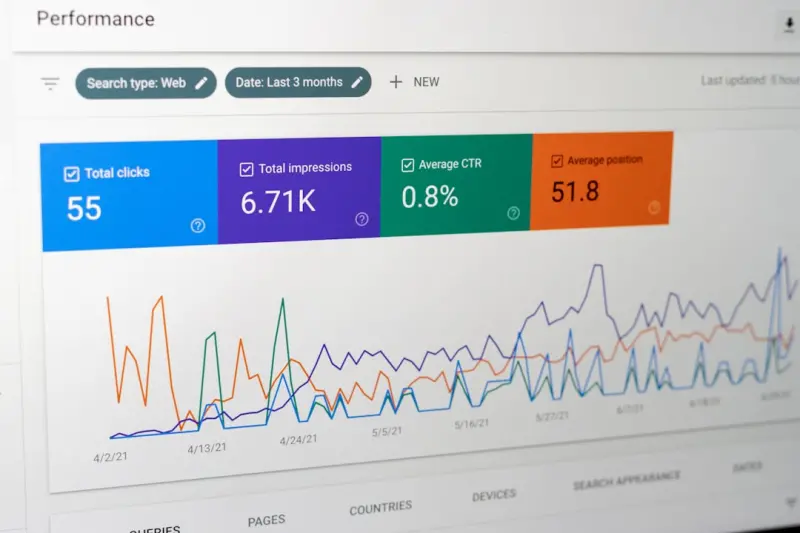
- Impressions, clicks, CTR, and average position from Search Console.
- Organic sessions, bounce rate, and conversion rate from Analytics.
- Backlink count and domain authority from a backlink tool.
- Content age and last update date.
These dimensions become the foundation for your scoring model.
2. Score Each Page
Assign a composite score based on four pillars:
- Performance – traffic, clicks, and conversion metrics.
- Authority – external backlinks and internal link depth.
- Relevance – semantic overlap with current buyer journeys.
- Freshness – last edit date relative to product roadmap.
A simple weighted formula (e.g., 40% performance, 30% authority, 20% relevance, 10% freshness) can surface low‑scoring pages that are prime pruning candidates.
3. Identify Consolidation Opportunities
Often, multiple low‑traffic pages cover overlapping topics. Use AI clustering to group them, then create a single, comprehensive resource. This “content merge” approach:
- Preserves inbound link equity by redirecting old URLs to the new, richer page.
- Delivers a better user experience with deeper, more authoritative content.
- Boosts internal linking efficiency by reducing the number of pages you need to reference.
4. Refresh vs. Retire
Not every low‑scoring page belongs in the graveyard. Ask:
- Does the topic still matter to my target audience?
- Is there a new product feature or data point that can revitalize the content?
- Do I have existing high‑authority pages that could absorb this topic?
If the answer is “yes,” schedule a refresh: update statistics, add modern visuals, and weave in current keyword intent. If “no,” prepare a 301 redirect to a relevant pillar page or, if no suitable target exists, return a 404 and let Google de‑index it gracefully.
5. Implement Strategic 301s
When consolidating, set up 301 redirects from the old URLs to the new master page. A best practice is to map each redirected URL to a specific, contextually relevant heading within the new page—this helps preserve relevance signals.
6. Re‑audit Internal Linking
After the redirects go live, run a crawl to identify broken links and update anchor text. This is also a perfect moment to reinforce your topical clusters with a “hub‑and‑spoke” linking structure, ensuring that each pillar page receives strong internal support.
7. Monitor and Iterate
Give Google 4‑6 weeks to process the changes, then revisit performance metrics. Look for:
- Improved impressions and average positions for the consolidated pages.
- Reduced crawl errors and lower crawl budget waste.
- Stabilized or increased organic conversion rates.
Because pruning is a continuous process, schedule quarterly reviews to keep the content ecosystem healthy.
Case Study: From 12,000 URLs to a 20% Traffic Lift
One of our SaaS clients managed a sprawling knowledge base that ballooned to 12,000 URLs over three product releases. Their organic traffic had plateaued, and the crawl budget was maxed out, leaving new pages invisible to Google.
We applied the framework above, scoring each page and identifying 2,300 low‑performers. By merging overlapping topics and retiring 1,500 stale pages, we reduced the total URL count by 30%. The results?
- Google’s crawl budget reallocated to high‑value pages, increasing the crawl frequency of the top 50 pillars.
- Organic impressions rose 18% within two months, driven by stronger rankings for the refreshed pillars.
- Conversion‑oriented traffic (demo requests) grew 12% as users found more relevant, up‑to‑date information.
The success reinforced a simple truth: pruning is not about loss; it’s about sharpening the signal.
Integrating Pruning With Ongoing SEO Experiments
Pruning should not exist in a vacuum. When you run A/B tests on meta titles, schema, or internal linking, the results are cleaner if you’ve already eliminated noisy, low‑quality pages. This synergy is highlighted in our SEO Experimentation Lab, where we treat each content refinement as an experiment with measurable KPIs.
For instance, after consolidating three underperforming blog posts into a single, comprehensive guide, we ran a headline split test. The new guide outperformed the combined traffic of the three originals by 35%, proving that depth beats breadth when supported by a strong internal linking framework.
Future‑Proofing Your Content Library
While AI makes pruning more efficient today, the long‑term goal is to build a self‑regulating content ecosystem:
- Set automated alerts for pages that fall below a performance threshold (e.g., <10 clicks per month) for two consecutive quarters.
- Embed AI content health scores into your CMS dashboard, so writers see the SEO impact before publishing.
- Adopt a “content lifecycle” policy that mandates a refresh every 12‑18 months for any page driving over 5% of monthly organic traffic.
When these practices become part of the standard workflow, pruning transitions from a periodic project to an ongoing habit—ensuring your site stays lean, relevant, and ready for the next algorithmic shift.
Takeaway Checklist
- Run a full URL inventory and enrich with performance, authority, relevance, and freshness data.
- Score each page and flag low‑scoring assets for review.
- Use AI clustering to find overlapping topics ripe for consolidation.
- Refresh content that still aligns with user intent; retire the rest.
- Implement precise 301 redirects and update internal links.
- Monitor traffic, crawl budget, and conversion metrics post‑pruning.
- Integrate pruning decisions into your SEO testing roadmap.
Pruning isn’t a one‑time cleanup; it’s a strategic lever that amplifies every other SEO effort you undertake. By treating your content library as a living asset—one you periodically trim, nurture, and repurpose—you’ll keep your site agile, your rankings climbing, and your customers finding exactly what they need, when they need it.

Nikki McDonald is a freelancer based in Waterloo. She brings her skills and expertise to various projects, balancing her professional work with a personal life that includes her husband, Stewart.
Related Posts

Intent‑First SEO Revolution 2026: What’s Next for Rankings
In 2026, intent drives rankings more than keywords. Learn how AI, structured data, and smart link st... Read More

Turning Customer Voices into SEO Gold: The Untapped Power of User‑Generated Content for SaaS
User‑generated content is a powerful, underused SEO asset for SaaS firms. Learn to collect, struct... Read More

Why Intent‑First SEO Is the Hottest Conversation Shaping Search
Intent‑first SEO is redefining rankings by focusing on real user goals. Discover why the shift mat... Read More
Top Posts
Seeing is Ranking: How Visual Search is Redefining SaaS SEO
Visual search is reshaping how prospects discover SaaS solutions. This post shows how to optimize images, add schema, and integrate visual assets into your SEO ...Read More

Turning SaaS Community Forums into SEO Engines
Discover how to transform your SaaS community forum into a search engine powerhouse by structuring content, leveraging schema, encouraging quality contributions...Read More

Privacy‑First SEM: Turning Consent into Competitive Advantage for SaaS
A deep dive into building a privacy‑first SEM strategy for SaaS, leveraging first‑party data, consent‑driven audiences, and value‑focused bidding to out...Read More

Unlocking Google Search Intent Clusters for SaaS Growth
Discover a step‑by‑step framework for building search intent clusters that turn scattered keywords into a powerful authority hub, boosting traffic and conve...Read More
0 Comments
Post Comment
You will need to Login or Register to comment on this post!