

Why the Intent‑First Mindset Is the New North Star for Google SEO
When I first fell in love with search engine optimization, I was chasing keywords like a miner panning for gold, hoping a single phrase would strike the motherlode of traffic. Over the years, Google’s algorithms have evolved from blunt keyword matching to sophisticated models that understand human curiosity, context, and purpose, and that evolution has forced us to rewrite the rulebook. Today, the most reliable compass for navigating the SERPs is not a keyword list but the intent‑first mindset—a perspective that asks, “What does the user truly want?” before we ever consider how to rank for it. This shift feels less like a technical tweak and more like a philosophical realignment, urging marketers to become empathetic translators of user needs into digital experiences. In my daily work, I find that aligning every piece of content with genuine intent not only boosts rankings but also deepens brand trust, because users sense when a page was crafted for them rather than for the algorithm.
The Data‑Driven Wake‑Up Call Behind the Intent‑First Wave
Google’s public statements about “search intent” have been around for a while, yet the real wake‑up call came when massive updates—BERT, MUM, and the recent helpful content rollout—started rewarding pages that answered questions in a human‑like way, penalizing those that simply stuffed keywords. I remember the night I saw a client’s traffic plummet despite a flawless keyword strategy; the culprit was a mismatch between the search query’s purpose and the page’s content. This moment was a catalyst for me to dive deep into the research that now fuels my strategy: user intent signals, click‑through patterns, dwell time, and even voice search trends. By analyzing these data points, I discovered that “informational,” “navigational,” and “transactional” intents each demand distinct content structures, meta descriptions, and internal linking strategies. The lesson is clear—if you ignore the nuance of intent, you’re essentially speaking a foreign language to Google’s AI, and the algorithm will translate your message into “irrelevant.”
Understanding the Three Core Types of Search Intent
At its simplest, search intent falls into three buckets: informational, navigational, and transactional. Informational queries—think “how to brew cold brew coffee”—signal a user hungry for knowledge, demanding thorough, step‑by‑step guides, rich media, and clear headings that answer the question at a glance. Navigational queries, such as “Facebook login page,” indicate the user wants to reach a specific site, so the focus shifts to brand signals, concise titles, and strong internal linking that guides them directly to the destination. Transactional queries—like “buy ergonomic office chair”—reveal purchase intent, requiring product‑focused pages, trust signals, and clear calls‑to‑action. Mastering these distinctions allows you to map each search term to a content archetype that satisfies the user's purpose. For a deeper dive into how this framework reshapes modern rankings, check out Why Intent‑First SEO Is the Secret Sauce for Modern Rankings, which walks through real‑world case studies and data‑backed results.
Building an Intent‑First Content Blueprint
Once you’ve categorized your target queries, the next step is to construct a content blueprint that mirrors the user journey from curiosity to conversion. I start by drafting a purpose statement for each piece—what specific question does it answer, and what action should the reader take afterward? From there, I outline the hierarchy: a compelling headline that incorporates the core intent, sub‑headings that break down the answer into digestible chunks, and strategically placed FAQs that capture long‑tail variations. Visual assets—infographics, short videos, or interactive calculators—act as intent amplifiers, keeping users engaged longer and signaling to Google that the page fulfills a genuine need. Throughout the drafting process, I weave internal links to related intent‑focused pages, creating a semantic web that both users and crawlers can navigate effortlessly. This methodology is detailed in The Intent‑First Blueprint: Turning User Purpose Into Google SEO Success, where I share templates that streamline the planning phase and reduce content fatigue.
Technical SEO Tweaks That Reinforce Intent Signals
Even the most compelling content can falter if the technical foundation fails to convey its purpose to search engines. I always begin with structured data—adding FAQ schema, How‑To markup, and Product schema where appropriate—to give Google a clear, machine‑readable snapshot of the page’s intent. Next, I audit page speed, mobile usability, and crawl budget allocation, because a slow or unresponsive page undermines the user’s intent to find information quickly. Canonical tags become crucial when similar content exists across the site; they tell Google which version satisfies the searcher’s purpose, preventing duplicate‑content penalties. I also implement breadcrumb navigation and logical URL structures that reflect the intent hierarchy, making it easier for both users and bots to understand the content flow. When these technical elements align with the editorial strategy, the result is a seamless user experience that Google rewards with higher rankings and richer SERP features.
Measuring Success: Metrics That Capture Intent Fulfillment
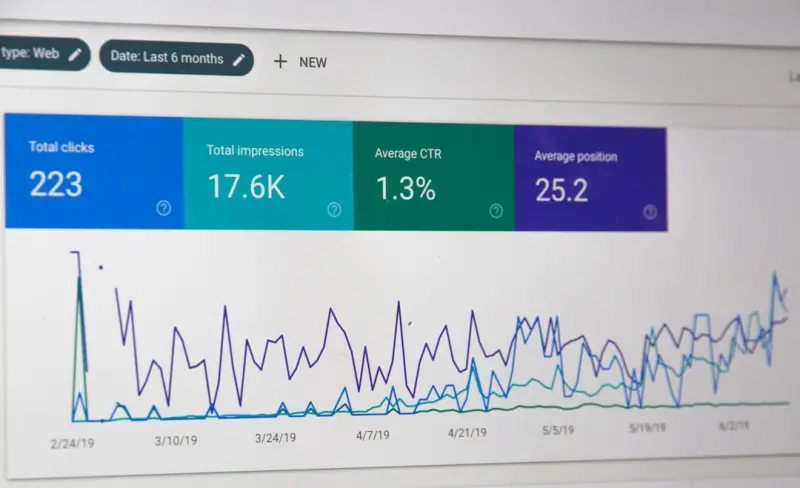
Traditional SEO metrics—organic traffic, keyword rankings, and backlinks—still matter, but they don’t fully capture whether you’re meeting user intent. I supplement them with engagement signals such as dwell time, pogo‑sticking rates, and scroll depth, which indicate how well the content satisfies the query. Conversion metrics also evolve: for informational pages, a successful outcome might be a newsletter signup, whereas for transactional pages, it’s a completed purchase. Tools like Google Search Console’s “Query Performance” report let you see which intents are driving clicks and impressions, while heat‑mapping software reveals where users spend the most time on a page. By correlating these data points, you can fine‑tune your intent‑first strategy, identifying gaps where users abandon the journey and iterating quickly. Over time, you’ll notice a virtuous cycle—better intent alignment leads to higher engagement, which in turn signals relevance to Google, further boosting rankings.
Future‑Proofing Your SEO Strategy with an Intent‑First Lens
The search landscape is in perpetual motion, and the next frontier is likely to be even more conversational and AI‑driven, where users speak to devices as naturally as they would to a person. To stay ahead, I advocate for a proactive approach: continuously audit your content for intent drift, experiment with AI‑generated snippets that answer questions directly, and keep an eye on emerging SERP features like “People also ask” expansions. Embracing an intent‑first mindset now equips you with a flexible framework that can adapt to voice search, visual search, and the ever‑growing knowledge graph. For a strategic roadmap that prepares your site for these upcoming shifts, read The Intent‑First Revolution: How to Future‑Proof Your Google SEO Strategy, where I outline actionable steps to embed intent into every layer of your SEO workflow.
Closing Thoughts: Turn Intent Into Impact
In my experience, the most rewarding SEO victories come not from chasing fleeting algorithm updates but from consistently delivering what users truly crave. When you place intent at the heart of your research, content creation, technical setup, and measurement, you build a resilient, user‑centric brand that Google naturally elevates. I encourage you to audit one of your top‑performing pages today, ask yourself what the underlying user purpose is, and realign the copy, schema, and internal links to match that purpose. The payoff is immediate—higher engagement, better rankings, and stronger trust from your audience. Remember, the secret sauce of modern SEO isn’t a hidden algorithm tweak; it’s a genuine understanding of human curiosity, packaged in a technically sound, strategically linked web of pages. Let’s keep the conversation going and share our intent‑first wins in the comments below.

When it comes to the world of blogging and writing, Rose DesRochers is a name that stands out. Her passion for creating quality content and connecting with her audience has made her a trusted voice in the industry. Aside from her skills as a writer and blogger, Rose is also known for her compassionate nature.
Related Posts

Riding the 2024 Google SEO Wave: Rose DesRochers’ Insider Perspective on Intent, AI, and Authority
Rose DesRochers breaks down the 2024 SEO shifts, from AI‑assisted content creation to deeper inten... Read More

Riding the 2024 SEO Wave: Rose DesRochers' Insider Strategies for Google Dominance
Rose DesRochers reveals the 2024 SEO playbook, blending AI insights, contextual ranking, and Core We... Read More

Why Google’s Passage Ranking Is the Quiet Game‑Changer SaaS Marketers Have Been Missing
Google’s passage ranking lets single paragraphs rank for specific queries, offering SaaS marketers... Read More
Top Posts
Zero-Click Search: Turning SERP Real Estate into Your Own Traffic Hub
Explore the rise of zero‑click search, learn tactics to dominate featured snippets and knowledge panels, and turn the SERP itself into a lasting source of bra...Read More

Mastering Crawl Budget for High‑Scale SaaS Sites
A deep dive into crawl budget for SaaS platforms, covering URL cleanup, internal linking, server performance, log file analysis, and edge rendering to ensure hi...Read More

Turning Technical Partnerships into Sustainable Link Assets
Learn how to transform SaaS integrations, co‑branded data reports, and open‑source contributions into high‑quality backlinks that drive traffic and author...Read More

Voice Search Optimization: Turning Conversational Queries into SaaS Leads
Discover a step‑by‑step framework to optimize your SaaS site for voice search, from mapping conversational funnels to leveraging FAQ schema and tracking voi...Read More
0 Comments
Post Comment
You will need to Login or Register to comment on this post!