
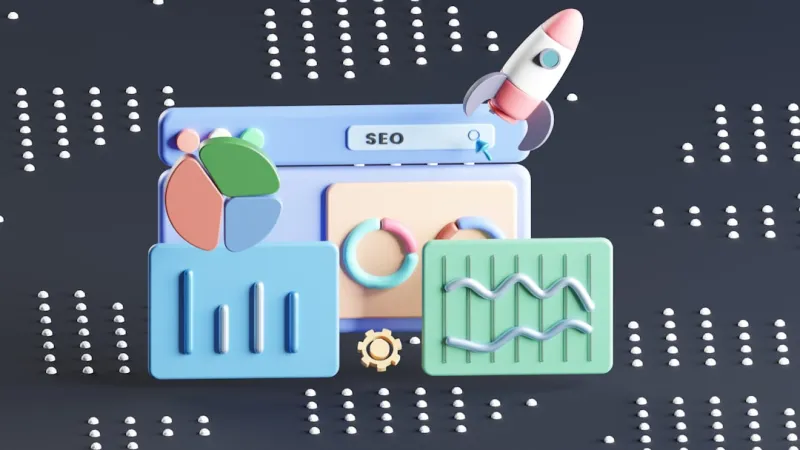
Why Google’s Algorithm Is Listening to Intent More Than Ever
When I first fell in love with SEO, I chased backlinks like a treasure hunter, but over the past few years the map has been redrawn and the X marks a deeper understanding of user intent. Google’s language models have grown sophisticated enough to parse the nuances of a query, meaning that a page optimized for a keyword without answering the underlying question now drifts into oblivion. In practice this shift forces us to rewrite our content strategies, prioritize relevance, and treat every headline as a promise to the searcher rather than a mere ranking hook.
The Core of Intent‑First SEO: Aligning Purpose With Rankings
At its heart, intent‑first SEO is about translating the mental model of a searcher into a structured, answer‑rich experience that satisfies both the human and the machine. By mapping the stages of awareness—problem, solution, decision—we create a content architecture that mirrors the journey, allowing Google’s crawlers to see a clear semantic path from query to conversion. This approach also future‑proofs your site, because as algorithms evolve, they continue to reward content that resolves real user needs, not just keyword density.
From Keywords to Questions: Building an Intent‑Driven Content Calendar
My workflow now begins with a question matrix rather than a keyword list; I ask what the searcher really wants to achieve and then draft topics that answer each sub‑intent. For example, a query about “best project management tools” can be broken into comparative reviews, pricing guides, and implementation case studies, each targeting a distinct intent bucket. By clustering these pieces into a pillar‑topic hub, we not only boost internal linking equity but also signal to Google that the site is an authority on the broader subject.
Leveraging Structured Data to Speak Google’s Language
Structured data is the modern lingua franca between your pages and Google’s knowledge graph, and when paired with intent‑first content it becomes a powerful ranking catalyst. Implementing FAQ schema, How‑To markup, and review snippets transforms raw text into rich results that appear directly in SERPs, increasing click‑through rates and reinforcing the relevance signal. The key is to align each markup type with the specific intent you identified—FAQs for informational queries, How‑To for procedural searches, and reviews for transactional intent.
Internal Linking: The Silent Signal of User Purpose
Effective internal linking acts like a breadcrumb trail that guides both users and crawlers through the intent hierarchy you’ve built. By linking from high‑authority hub pages to deep‑dive articles, you distribute link equity and reinforce topical relevance, which Google interprets as a sign that the linked content fulfills a related search purpose. A well‑crafted anchor, such as why intent‑first SEO is the secret weapon for rankings, not only adds contextual value but also improves the semantic cohesion of the site.
Content Freshness and the Intent Lifecycle
Intent is not static; it evolves as users become more informed and as market conditions shift, so your content must keep pace. Regular audits that compare current SERP features with your existing pages reveal gaps where new intent signals have emerged—like a sudden rise in “buying guide” boxes or video carousels. Updating your articles with fresh data, adding new sections, or repurposing content into different formats ensures that your pages remain aligned with the latest searcher expectations.
Measuring Success: Metrics That Matter Beyond Rankings
Traditional SEO metrics such as position and organic traffic are still important, but they no longer paint the full picture of intent fulfillment. Engagement indicators—dwell time, scroll depth, and pogo‑sticking rates—provide direct insight into whether the content satisfied the searcher’s purpose. Additionally, conversion paths that trace a user from a blog post to a lead form can be tied back to specific intent clusters, allowing you to quantify the ROI of each content piece in the context of its intended outcome.
Putting It All Together: A Practical 30‑Day Intent‑First Sprint
To operationalize the concepts above, I recommend a focused 30‑day sprint: start by auditing your top 20 landing pages for intent gaps, then map each to a stage of the buyer’s journey and create a supplemental piece that fills the missing piece. Next, implement the appropriate schema markup and update internal links, using descriptive anchors like the Intent‑First Playbook to reinforce relevance. Finally, set up a monitoring dashboard that tracks both ranking stability and user‑engagement signals, adjusting your strategy weekly based on real‑time data.
Looking Ahead: Why Intent‑First Will Remain the North Star of SEO
As AI continues to reshape how search interprets language, the emphasis on genuine user purpose will only intensify, making intent‑first SEO the enduring compass for marketers who want lasting visibility. Those who cling to old‑school keyword stuffing will find their sites increasingly sidelined in favor of experiences that anticipate and fulfill the nuanced needs of modern searchers. By embedding intent into every layer of your strategy—from research and creation to technical optimization—you position your brand not just to rank, but to become the go‑to authority that Google naturally elevates.

When it comes to the world of blogging and writing, Rose DesRochers is a name that stands out. Her passion for creating quality content and connecting with her audience has made her a trusted voice in the industry. Aside from her skills as a writer and blogger, Rose is also known for her compassionate nature.
Related Posts
How to Turn Google Discover into a Traffic Engine
Google Discover can flood your site with high‑value clicks. This guide reveals the signals, conten... Read More

Semantic SEO for SaaS: Harnessing Entities, Passages, and Topic Clusters
Semantic SEO transforms how SaaS content ranks by focusing on entities, passage-level relevance, and... Read More

Why Intent‑First SEO Is the Future of Google Rankings
Explore why Intent‑First SEO is the new cornerstone of Google rankings, learn actionable tactics, ... Read More
Top Posts

Intent‑First SEO Tips That Are Redefining Rankings in 2026
Learn the latest intent‑first SEO tactics for 2026, from mapping user intent to measuring success, and see how these strategies can transform your rankings an...Read More

Beyond Keywords: Mastering the New Wave of AI-Powered SERP Features
The SERP is evolving from simple links to AI‑generated answers and summaries. Discover how to adapt with structured data, topic clusters, and answerable conte...Read More
Riding the 2024 Google SEO Wave: Rose DesRochers’ Insider Playbook for Dominating the SERPs
Rose DesRochers reveals the 2024 SEO playbook, covering AI‑assisted content, Core Web Vitals, semantic clusters, and trust‑focused link building to help you...Read More

How User‑Generated Video Can Supercharge Your eCommerce SEO
Learn to turn shopper‑made videos into SEO gold, from sourcing raw clips to technical markup and performance tracking....Read More
0 Comments
Post Comment
You will need to Login or Register to comment on this post!