

Why Intent‑First Matters
Google’s search engine has evolved far beyond matching isolated keywords; it now strives to satisfy the deeper purpose behind every query. This shift means that sites built on outdated, keyword‑centric tactics are losing visibility to competitors who prioritize user intent in their strategy. By re‑thinking SEO through the lens of intent, marketers can future‑proof their rankings, capture higher‑quality traffic, and deliver experiences that align with what users truly seek at each stage of their journey.
Decoding User Intent: The Three Core Types
Understanding intent starts with recognizing its three primary categories: informational, navigational, and transactional. Informational queries aim to learn something new—think “how to brew cold brew coffee”—while navigational searches direct users to a specific site or page, such as “Facebook login.” Transactional intent signals readiness to act, like “buy ergonomic office chair,” and requires content that smoothly guides the user toward conversion. Mastering these nuances lets you craft pages that answer the exact question, reducing bounce rates and boosting relevance signals.
Signals That Reveal Intent in Real Time
Modern SERP features, such as featured snippets, People Also Ask boxes, and local packs, are powerful clues about the intent behind a search. When Google surfaces a snippet, it signals that it believes the content directly satisfies the user’s need, rewarding well‑structured answers with prime visibility. Additionally, analyzing click‑through patterns, dwell time, and subsequent queries provides a feedback loop that helps refine your intent mapping, ensuring that your pages stay in sync with evolving user expectations.
Mapping Content to Intent: From Topics to Clusters
Instead of scattering isolated articles, adopt a cluster model where a pillar page addresses a broad intent and supporting pieces dive into sub‑topics. This architecture mirrors how users explore a subject, moving from high‑level overviews to detailed guides, and it reinforces topical authority in Google’s eyes. By interlinking these pieces strategically, you create a logical flow that both users and crawlers can follow, amplifying the relevance of every page within the cluster.
Technical Foundations That Support Intent‑First SEO
Technical SEO is the invisible scaffolding that ensures your intent‑focused content is discoverable and trustworthy. Proper schema markup, fast page load speeds, and mobile‑first design signal to Google that your site is both user‑friendly and reliable. Moreover, an intuitive site architecture—where URLs and breadcrumbs reflect the underlying intent hierarchy—helps search engines map relationships between pages. For deeper insights, explore Unlocking the Power of Intent‑First SEO and discover actionable tactics to align your technical setup with real‑world user purpose.
Measuring Success: Metrics That Matter
Traditional rankings still matter, but intent‑first SEO demands a broader KPI set. Track metrics such as click‑through rate (CTR) on SERP features, average session duration, and goal completions that align with the user’s original purpose. Tools that map query intent to conversion pathways reveal hidden opportunities, allowing you to refine content and internal linking for better alignment. When you see an uptick in engaged sessions from informational queries, it confirms that your content is fulfilling the knowledge‑seeking intent you targeted.
Common Pitfalls and How to Avoid Them
One of the biggest mistakes is treating intent as a one‑time checklist rather than an ongoing optimization loop. Relying solely on high‑search‑volume keywords without assessing the underlying purpose can lead to mismatched content that frustrates visitors. Another trap is over‑optimizing for featured snippets while neglecting the broader user journey; a snippet may capture a quick answer, but the surrounding page must still guide the user toward deeper engagement or conversion. Regular audits that compare search intent with actual on‑page delivery keep you from falling into these traps.
Future Trends: AI, Voice, and Conversational Search
Artificial intelligence is reshaping how Google interprets intent, with models that understand nuance, context, and even sentiment. Voice assistants and conversational queries are making searches longer and more natural, demanding content that reads like a dialogue rather than a list of disjointed facts. Embracing structured data, answering questions in a concise yet comprehensive way, and anticipating follow‑up queries will position your site at the forefront of this evolving landscape, ensuring that you stay ahead of the algorithmic curve.
Putting It All Together: Your Intent‑First Action Plan
Start by auditing your existing content to label each page with its primary intent, then reorganize into clusters that reflect the user’s decision‑making flow. Enhance technical elements—schema, speed, mobile responsiveness—to support those clusters, and continuously monitor intent‑aligned metrics for performance insights. For deeper guidance, check out The Intent‑First Playbook, which walks you through aligning strategy with real user purpose step by step. By committing to an intent‑first mindset, you’ll not only climb the rankings but also build lasting relationships with the audiences that matter most.

When it comes to the world of blogging and writing, Rose DesRochers is a name that stands out. Her passion for creating quality content and connecting with her audience has made her a trusted voice in the industry. Aside from her skills as a writer and blogger, Rose is also known for her compassionate nature.
Related Posts
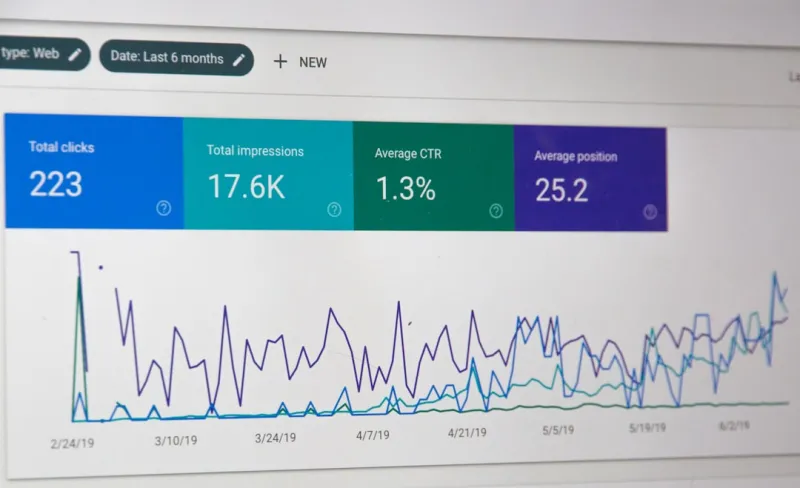
Riding the 2024 Google SEO Wave: Rose DesRochers’ Insider Playbook for Dominating the SERPs
Rose DesRochers reveals the 2024 SEO playbook, covering AI‑assisted content, Core Web Vitals, sema... Read More

The Intent‑First SEO Playbook: From Theory to Real Rankings
Learn why intent‑first SEO is essential, how to craft content that meets user intent, and practica... Read More

Why Intent‑First SEO Is the Secret Sauce Behind Google Rankings
Learn why shifting from keyword obsession to intent focus is the key to sustainable Google rankings,... Read More
Top Posts

When AI Becomes Your Search Assistant: Designing Adaptive Search Experiences
A deep dive into building adaptive AI search experiences that continuously learn from user behavior, delivering personalized results and reducing friction in Sa...Read More
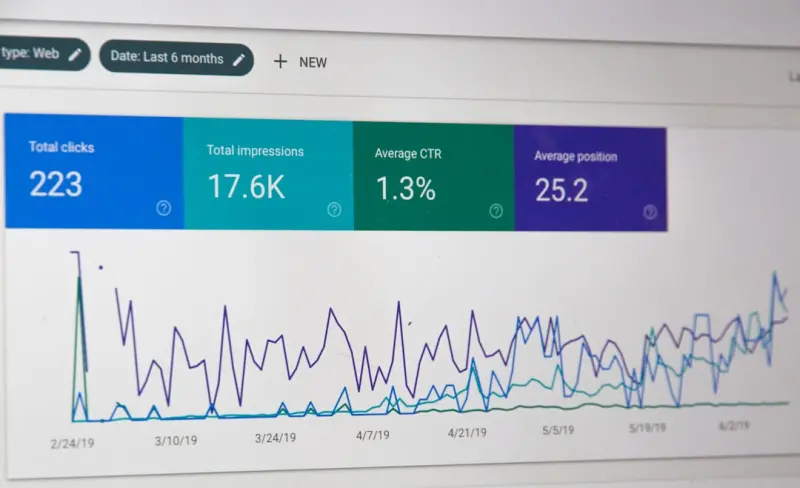
AI‑Powered Semantic SEO: A Fresh Playbook for SaaS Brands
Semantic SEO transforms keyword focus into concept‑driven content. This post walks SaaS marketers through AI‑assisted drafting, schema expansion, and measur...Read More
Beyond Keywords: How Semantic SEO Powers Real‑World Search Success
Learn how shifting from keyword‑centric tactics to a semantic, intent‑driven approach can transform your SEO strategy, improve rankings, and attract qualifi...Read More

The Untapped Power of FAQ Schema for SaaS Growth
FAQ schema lets SaaS companies target precise user queries, earn rich results, and capture high‑intent traffic. This guide walks you through strategy, impleme...Read More
0 Comments
Post Comment
You will need to Login or Register to comment on this post!