
Why AI‑Powered Semantic SEO Is the Next Game‑Changer for SaaS Brands
When I first started tinkering with search engines, I thought SEO was a static checklist: keywords, backlinks, meta tags. Fast forward a few years, and the landscape feels more like a living organism that learns, adapts, and even predicts what users will ask before they type a query. The rise of large language models (LLMs) and knowledge‑graph technology has opened a new frontier: semantic SEO. For SaaS companies, this isn’t just another buzzword—it’s a strategic lever that can turn product pages, help centers, and even API docs into discoverable assets across a spectrum of search intents.
From Keywords to Concepts: The Shift in Search Intent
Google’s move from exact‑match keywords to “understanding” has been gradual but relentless. The search engine now evaluates entities and the relationships between them. Instead of asking “what is a CRM?”, a user might type “how to streamline customer onboarding with a SaaS CRM”. The algorithm parses that into concepts: customer onboarding, streamlining processes, SaaS CRM solutions. If your content only talks about “CRM” without addressing the broader workflow, you’ll be invisible to that query.
Semantic SEO forces us to answer the full intent—the why, the how, and the what—around a concept. For SaaS marketers, that means mapping product features to real‑world business problems and surfacing that mapping in a way machines can read.
Building a Semantic Content Framework for SaaS
Here’s a practical blueprint you can start implementing today:
- Entity Mapping: List the core entities your product touches—e.g., “user onboarding”, “team collaboration”, “data security”. Use tools like Google's entity explorer or third‑party knowledge‑graph APIs to see how these entities connect.
- Topic Clustering: Group related entities into clusters that reflect user journeys. For a project‑management SaaS, a cluster could be “remote team coordination” that includes sub‑topics like “real‑time task boards”, “asynchronous communication”, and “time‑zone aware scheduling”.
- Schema Markup Expansion: Go beyond basic
Productschema. AddFAQPage,HowTo, and evenSoftwareApplicationmarkup that includesfeatureList,offers, andrequiresSubscription. Structured data is the lingua franca that tells Google how your entities relate. - AI‑Assisted Drafting: Leverage LLMs to generate first‑draft answers that hit each semantic angle. Prompt the model with your entity clusters and ask for “a 300‑word explainer that includes a step‑by‑step guide, a use‑case example, and a comparison table”. Edit for brand voice, then enrich with data.
- Human Review Loop: Machines are great at breadth; humans are essential for depth. Ensure subject‑matter experts verify technical accuracy and embed internal links that reinforce entity relationships.
Why Structured Data Is Your New Best Friend
Structured data is the backbone of semantic SEO. When Google crawls a page, it looks for JSON‑LD or Microdata snippets that label information. For SaaS, this means turning feature lists, pricing tiers, and integration capabilities into machine‑readable formats. Not only does this improve visibility in standard SERPs, it also unlocks rich results like product carousels, FAQ expansions, and even interactive pricing widgets directly on the search page.
One overlooked opportunity is the SoftwareApplication schema’s featureList property. By enumerating each feature as a discrete entity, you give Google a clearer map of what problems your tool solves. Pair that with PotentialAction to describe typical user workflows—e.g., “schedule a demo”, “download a trial”, “integrate with Slack”. These signals help Google surface your product in answer boxes and the newly popular “product comparison” panels.
AI‑Generated Content: Quality Guardrails
Yes, LLMs can churn out copy at scale, but the SEO community is still learning how to wield them responsibly. Here are three guardrails I swear by:
- Fact‑Check First: Even the smartest model hallucinates. Cross‑reference every data point with your internal analytics or a trusted source.
- Embed Original Research: Use your own usage statistics, case studies, or benchmark reports. Search engines love fresh, proprietary data—especially when it’s presented in tables or charts.
- Maintain Brand Consistency: Feed the model with brand guidelines, tone of voice, and a set of approved terminology. Post‑generation, run a style‑check using a tool like Grammarly or an internal style‑checker before publishing.
When done right, AI‑assisted writing can accelerate the creation of semantic clusters without sacrificing depth.
Indexing Efficiency: The Role of Crawl Budget
Even the most perfectly structured content won’t help if Google can’t crawl it efficiently. For SaaS sites with dozens of product pages, documentation, and blog posts, managing your crawl budget becomes crucial. Prioritize high‑value pages (pricing, feature comparisons, demo requests) in your XML sitemaps and use noindex tags on thin or duplicate content such as paginated help articles. This signals to the crawler where to spend its time, ensuring your semantic markup gets the attention it deserves.
Mobile‑First Semantic Signals
Over half of SaaS search traffic now originates on mobile devices. Google’s mobile‑first indexing means your structured data and semantic content must be mobile‑optimized. Use responsive tables for comparison charts, keep JSON‑LD snippets lightweight, and avoid intrusive interstitials that block content on small screens. A quick audit of your mobile UX can uncover hidden friction that hampers both user experience and semantic ranking potential.
For a deeper dive into mobile considerations, check out our Mobile SEO Secrets guide.
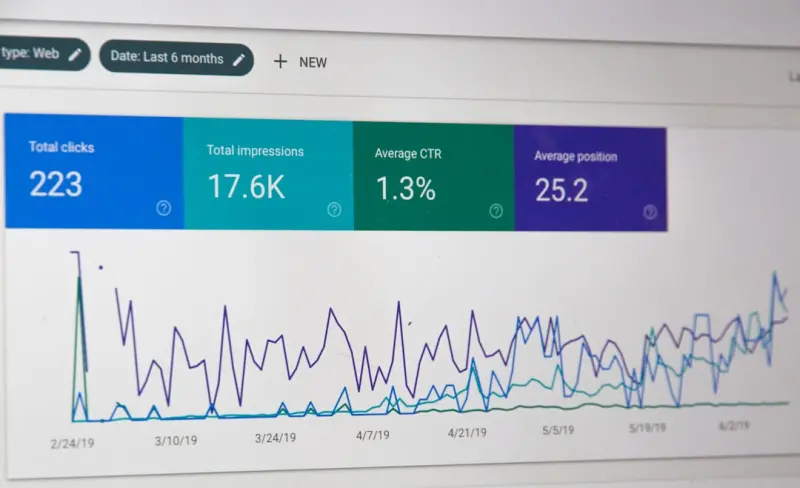
Measuring Semantic Success: New KPIs
Traditional SEO metrics—organic traffic, keyword rankings—still matter, but they don’t capture the full impact of semantic optimization. Add these KPIs to your dashboard:
- Entity Visibility Score: Track how often your core entities appear in Google’s Knowledge Panel or in the “People also ask” section.
- Rich Result Click‑Through Rate (CTR): Measure CTR for pages that generate FAQ or product carousels.
- Search Intent Match Rate: Use session recordings or query logs to see how often visitors land on pages that fully address their original intent.
- Structured Data Errors: Monitor Google Search Console for schema validation issues—zero errors mean your semantic signals are clean.
Future‑Proofing Your SEO Strategy
Semantic SEO isn’t a one‑off project; it’s an ongoing dialogue between your product roadmap and the evolving search ecosystem. Keep these practices in mind:
- Iterate with Product Releases: Whenever you add a new feature, create a dedicated semantic page that maps the feature to a business outcome. Update your
SoftwareApplicationmarkup accordingly. - Stay Informed on LLM Advances: New models improve at contextual understanding. Periodically audit your AI‑generated content for relevance and freshness.
- Leverage Internal Expertise: Encourage product managers and support engineers to contribute to knowledge‑base articles. Their insights enrich entity clusters and reduce content gaps.
- Monitor Search Engine Guidelines: Google frequently updates its stance on structured data and AI‑generated content. Subscribe to the Search Central Blog and adapt quickly.
Putting It All Together: A Mini‑Case Study
Let’s walk through a hypothetical SaaS called TeamPulse, a real‑time collaboration platform. Here’s how they applied semantic SEO:
- Entity Identification: Mapped entities like “real‑time editing”, “cross‑platform sync”, “access control”.
- Content Cluster Creation: Built a series of pillar pages—“How Real‑Time Editing Boosts Remote Team Productivity”, “Cross‑Platform Sync: Best Practices for Hybrid Workforces”, “Managing Access Control in Collaborative Environments”.
- Schema Implementation: Added
SoftwareApplicationmarkup withfeatureListentries for each core capability, plusFAQPageblocks answering common security concerns. - AI‑Assisted Drafting: Used an LLM to generate first drafts of each pillar, then had product engineers validate technical details.
- Crawl Budget Allocation: Prioritized pillar pages and product demo URLs in the sitemap, set
noindexon outdated tutorial PDFs. - Performance Results: Within three months, the “real‑time editing” entity appeared in Google’s Knowledge Panel, the FAQ rich result CTR rose to 12%, and organic leads from the “cross‑platform sync” page increased by 27%.
This example illustrates that semantic SEO isn’t theoretical—it delivers measurable ROI when aligned with product strategy.
Takeaway: Embrace the Semantic Evolution
SEO has always been about matching user intent, but intent is no longer a single keyword—it’s a network of concepts. For SaaS businesses, mastering AI‑driven semantic optimization means turning product features into searchable entities, feeding search engines the structured signals they crave, and continuously aligning content with real‑world use cases.
Start small: pick one core feature, map its entities, add rich schema, and let an LLM help you flesh out the narrative. As you see the gains in visibility and qualified leads, expand the approach across your product suite. The search landscape will keep evolving, but a solid semantic foundation will keep your brand discoverable—no matter how the algorithms change.

Brandy Miller is a dynamic freelance writer based in the vibrant city of Cambridge, Ontario. With a passion for storytelling that knows no bounds, she crafts compelling narratives that captivate and inspire. Brandy’s love for writing shines through in her versatile work, whether she’s penning thought-provoking articles or engaging content that resonates with readers. Her unique perspective and friendly tone make her a sought-after voice in the writing community. When she’s not weaving words together, you can find her exploring the beautiful landscapes of Ontario, always seeking new adventures and inspiration for her next piece. Brandy is not just a writer; she’s a creative force, making her mark one word at a time.
Related Posts

Navigating the Next Wave of Search: AI‑Powered Intent Clusters and Zero‑Click Strategies
Discover the emerging SEO tactics—AI intent clusters, zero‑click optimization, visual search, an... Read More
Zero-Click Search Optimization: Turning SERP Real Estate into Traffic
Learn the strategies to secure zero‑click rankings—leveraging snippets, structured data, and AIâ... Read More

Optimizing for the Search Generative Experience: A SaaS Playbook
This post explains why the Search Generative Experience reshapes SEO, outlines a practical framework... Read More
Top Posts
Riding the 2024 Google SEO Wave: Rose DesRochers’ Insider Playbook
Rose DesRochers reveals the hottest 2024 SEO trends, from AI‑driven intent to authority signals, giving marketers the playbook they need to ride the Google SE...Read More

Privacy‑First SEO: Thriving in a Cookieless Future
Learn why privacy‑first SEO is essential today and get actionable steps to boost rankings without relying on third‑party cookies....Read More

When AI Search Becomes a Strategic Ally for B2B SaaS Growth
AI search is evolving from a novelty to a core growth engine for B2B SaaS. This post explains how contextual recall, dynamic summarization, and predictive nudge...Read More

Unlocking the Hidden Power of Internal Linking for Sustainable SEO Growth
Learn how to design a scalable internal link architecture, prioritize evergreen content, and measure impact with a practical checklist that transforms hidden pa...Read More
0 Comments
Post Comment
You will need to Login or Register to comment on this post!