

Why Entity‑First SEO Is the Next Frontier
Search engines have quietly shifted from treating queries as isolated strings of keywords to recognizing the underlying entities that give those queries meaning, and that shift is reshaping every tactical decision we make as SEO professionals. When a user types “best electric road bike for commuters,” the engine isn’t just matching the words “electric,” “road,” and “bike” to a list of pages; it is mapping those terms to a network of related concepts—brand, price range, battery technology, commuter routes—and then surfacing the most contextually relevant result from its ever‑growing Knowledge Graph, a process that rewards sites that have taught the graph who they are.
The Knowledge Graph Advantage
The Knowledge Graph, originally a behind‑the‑scenes data model, is now a public-facing force that powers rich cards, answer boxes, and the new “entity panels” that dominate the SERP, and understanding how to feed it accurate signals can dramatically increase visibility without relying on traditional backlink authority alone. By aligning your content with the graph’s taxonomy—using consistent naming conventions, linking to verified entity identifiers, and ensuring that each page contributes a clear, unambiguous piece of the overall entity puzzle—you can claim a spot in those coveted panels and enjoy traffic that bypasses the need for a traditional click.
Distinguishing Entities From Keywords
While keywords remain a useful shorthand for intent, an entity is a distinct, uniquely identifiable thing—a person, place, product, or concept—that has its own set of attributes and relationships, and search engines now parse those attributes to answer questions directly. This means that a page optimized for the keyword “organic coffee beans” must also embed structured data that tells the engine that the product is a “CoffeeBean” entity with attributes like origin, roast level, and certification, allowing the engine to surface that page in a “Coffee Bean” knowledge card even when the exact phrase isn’t used.
Building Entity‑Rich Content Foundations
To earn a place in the Knowledge Graph, you must design content that reads like a mini‑ontology: each article, product page, or guide should introduce a primary entity, flesh out its key attributes, and explicitly connect it to related entities through natural language and internal links. For example, a guide on “sustainable packaging solutions” should define the “SustainablePackaging” entity, list its material types, regulatory standards, and case studies, and then link to related entities such as “Biodegradable Plastics” and “Circular Economy” using anchor text that mirrors those entity names.
Structured Data: The Engine’s Trusted Blueprint
Schema.org markup remains the most reliable conduit for communicating entity information to crawlers, and the JSON‑LD format is now the preferred method because it separates data from presentation, reduces page‑load impact, and is easier for developers to maintain across large sites. When implementing structured data, focus on the most specific types—use Product instead of generic Thing, add offers, aggregateRating, and brand properties, and ensure that the @id field points to a canonical URL that the graph can resolve, thereby preventing duplicate entity creation and reinforcing authority.
Leveraging Internal Linking to Amplify Entity Signals
Internal links act as the circulatory system of your site, passing authority and contextual relevance from one entity page to another, and a strategic internal linking plan can dramatically improve how quickly search engines discover and index new entities. By auditing your site with tools that map link gaps, you can identify orphaned entity pages and connect them to pillar content that already enjoys high visibility; the process described in Strategic Link Gap Mapping provides a step‑by‑step framework for turning those gaps into powerful pathways that reinforce entity clusters and signal to the graph that your site is a comprehensive source on the topic.
Measuring Success: From Zero‑Click to Entity Rankings
Traditional metrics like organic traffic volume are no longer sufficient; you now need to track the appearance of your entities in rich results, monitor the click‑through rates of those results, and assess how often your brand is referenced within the graph’s relationship network. Tools that surface zero‑click data—such as the insights from Zero‑Click SEO—allow you to see how many impressions your entity cards receive even when users never click through, giving you a clear picture of brand visibility and informing future content investments.
Future Trends: AI‑Generated Entity Graphs and Predictive SEO
As large language models become more tightly integrated with search, the engines are beginning to generate their own provisional entity graphs on the fly, meaning that sites that expose clean, well‑structured data will be more likely to be incorporated into those AI‑driven summaries; this creates an emerging advantage for those who adopt a proactive “entity‑first” mindset now rather than later. Anticipating this shift, forward‑thinking SEOs should experiment with AI‑assisted content generation that automatically extracts entity attributes, validates them against authoritative data sources, and populates schema markup, thereby staying ahead of the curve and ensuring that their sites remain the authoritative nodes in an increasingly automated knowledge ecosystem.
Actionable Steps to Get Started Today
Begin by inventorying your top‑performing pages and identifying the primary entities each one represents, then create a master spreadsheet that lists entity names, canonical URLs, and associated schema types; next, audit your existing markup for completeness and consistency, fixing any missing @id values and adding rich attribute fields where possible. Finally, implement a quarterly internal linking audit using the link‑gap methodology, prioritize linking orphaned entity pages to high‑authority pillars, and set up monitoring dashboards that track entity impressions, rich result clicks, and Knowledge Graph mentions so you can iterate quickly and cement your position as an entity authority.

Tracie Higgins, a professional content writer, produces captivating content. In her leisure time, away from work and travel, she loves to spend time with her grandson.
Related Posts

Personalized SERPs: The New SEO Frontier
Discover why personalized SERPs are the next evolution in SEO, how to harness real‑time data and e... Read More
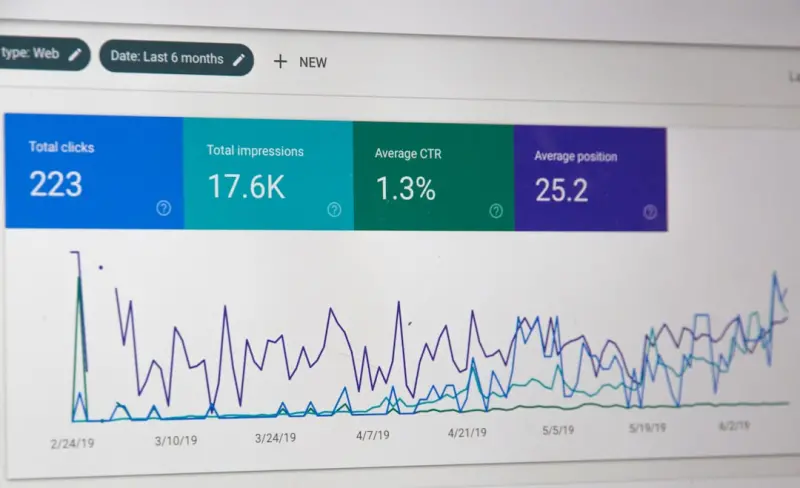
Zero-Click Search Optimization: Turning SERP Real Estate into Traffic
Learn the strategies to secure zero‑click rankings—leveraging snippets, structured data, and AIâ... Read More
Zero‑Click Search: Turning Answer‑First SERPs Into a Branding Advantage
Discover strategies to thrive in a zero‑click world—optimizing content, schema, and micro‑conv... Read More
Top Posts

Core Web Vitals on Mobile: The SaaS Ranking Secret
Core Web Vitals are the new gatekeepers of mobile SEO. This post walks SaaS marketers through diagnosing, fixing, and integrating LCP, FID, and CLS into a conti...Read More

Intent Clusters: Mapping the Modern Search Journey for Sustainable Rankings
Discover the power of Intent Clusters—a strategic approach to map user journeys, create content hubs, and optimize for diverse SERP features, helping you achi...Read More

First‑Party Data Playbooks: The Next Evolution of SEM
A practical guide to turning your own customer data into hyper‑targeted paid‑search campaigns, complete with segmentation tactics, activation steps, and fut...Read More

Link Building Through API‑Centric Content: A Playbook for SaaS Marketers
Discover a fresh link‑building strategy that treats your API as a content asset, using documentation hubs, SDKs, and interactive tools to attract natural, hig...Read More
0 Comments
Post Comment
You will need to Login or Register to comment on this post!