
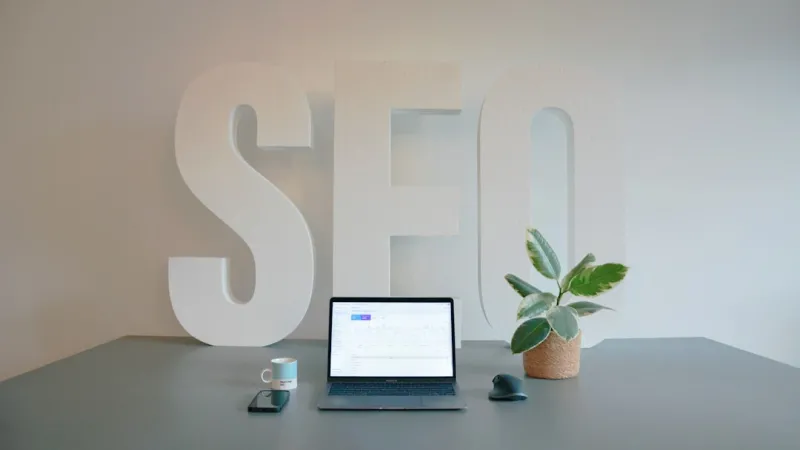
Why “Intent‑First” Is No Longer a Buzzword
When I first heard the term “intent‑first” whispered around SEO tables, I imagined a fleeting trend that would fade like many algorithm updates before it. Today, that whisper has become a roar, reshaping how we craft headlines, structure pages, and even choose keywords. Google’s core mission—to satisfy real user purpose—has never been clearer, and the metrics that once ruled rankings (pure volume, backlinks alone) are now secondary to the nuance of search intent. In my day‑to‑day audits, I see sites that cling to outdated tactics falter, while those that pivot to answering “why” behind a query climb with surprising speed. The shift is not just technical; it’s a mindset change that demands we think like the searcher, not just the search engine, and that transformation is the cornerstone of sustainable SEO success.
The Anatomy of User Intent in 2024
Understanding user intent begins with three primary categories: informational, navigational, and transactional, each demanding a distinct content strategy. An informational query—like “how does Google rank content?”—expects a thorough, well‑structured guide that walks the reader through concepts step by step, peppered with examples and visual aids. Navigational searches, such as “Google Search Console login,” require a quick, direct pathway to the destination, often best served by concise landing pages with clear calls to action. Transactional queries, for instance “buy SEO software,” demand persuasive copy, trust signals, and a seamless checkout experience. By aligning each piece of content with its underlying purpose, you not only satisfy the user but also signal to Google that your page is the most relevant answer, which can dramatically improve rankings. This approach also reduces bounce rates, as visitors find exactly what they need without endless scrolling.
From Theory to Practice: Building an Intent‑First Content Blueprint
Start every new piece of content with a keyword intent audit—a quick but thorough analysis that classifies the primary intent behind the target phrase. Use tools to gather SERP features, examine top‑ranking pages, and note the common themes they address. Next, map those themes to a content outline that mirrors the user’s journey: hook, problem definition, solution, and next steps. When drafting, embed the intent signals naturally; for example, if the query is transactional, weave in product benefits, pricing, and reviews early on. Finally, optimize on‑page elements—title tags, meta descriptions, and headings—to echo the intent, ensuring search engines and users receive a consistent message from the moment they see the snippet. This systematic blueprint transforms vague keyword targeting into a purposeful content experience that both humans and bots love.
Leveraging Internal Links to Strengthen Intent Signals
Strategic internal linking is the unsung hero of intent‑first SEO, guiding both crawlers and readers through a logical hierarchy of purpose. When you link from a broad, informational article to a more specific, transactional guide, you signal a funnel progression that aligns with user intent at each stage. For instance, in a recent post I wrote about content strategy, I included a link to the Intent‑First SEO guide, allowing readers to dive deeper into the methodology behind the trend. Similarly, referencing the Intent‑First SEO Playbook provides a concrete next step for those ready to implement advanced tactics. By curating these pathways, you reinforce topical relevance, distribute link equity, and create a cohesive user journey that satisfies the search engine’s expectation of purpose‑driven architecture.
Measuring Success: Metrics That Matter in an Intent‑First World
Traditional SEO metrics—organic traffic and keyword rankings—remain important, but they no longer paint the full picture. In an intent‑first framework, you must monitor engagement metrics that reflect user satisfaction: dwell time, scroll depth, and conversion pathways tailored to each intent type. For informational content, a higher average session duration and lower bounce rate indicate that readers found the answer they sought. Navigational pages benefit from quick exits after the user reaches the intended destination, so a high exit rate can be positive if it follows a single‑page interaction. Transactional pages should be judged by micro‑conversions—add‑to‑cart events, form completions, or demo requests—rather than just overall traffic. By aligning your KPI dashboard with these intent‑specific signals, you gain actionable insights that drive iterative improvements and keep your SEO strategy agile.
Common Pitfalls and How to Avoid Them
One frequent mistake is over‑optimizing for a single keyword without considering the broader intent, leading to content that feels forced and irrelevant. Another is neglecting the “search intent gap”—the difference between what users think they need and what they truly benefit from. To bridge this gap, incorporate related questions and long‑tail variations that anticipate user follow‑ups, turning a simple answer into a comprehensive resource. Finally, avoid siloed content structures; instead, interlink articles across intent categories to create a web of purpose‑driven pathways. By regularly auditing for these pitfalls, you ensure your site remains aligned with evolving user expectations and Google’s ever‑refining algorithms.
Future‑Proofing Your Strategy with Ongoing Intent Research
The search landscape is fluid; new formats like AI‑generated snippets and voice search are reshaping how intent is expressed. To stay ahead, schedule quarterly intent workshops where your team reviews emerging queries, analyzes SERP changes, and updates content accordingly. Embrace tools that surface “people also ask” questions, and treat them as a goldmine for expanding your content’s relevance. Additionally, monitor industry forums and social media chatter to capture emerging intent trends before they dominate search results. By embedding continuous intent research into your workflow, you create a living SEO strategy that adapts, rather than a static checklist that quickly becomes obsolete.
Case Study: Turning a Stagnant Blog into an Intent‑First Powerhouse
Last quarter, I partnered with a mid‑size SaaS company whose blog had plateaued at modest traffic levels despite regular posting. We began with an intent audit, re‑categorizing their top 30 articles into informational, navigational, and transactional buckets. For each piece, we rewrote introductions to directly answer the core question, added structured data, and inserted internal links to higher‑intent pages, such as the Intent‑First SEO secret weapon article that acted as a conversion hub. Within six weeks, organic sessions grew by 42%, bounce rates dropped by 18%, and the conversion rate on their product pages increased by 27%—clear evidence that intent alignment drives both visibility and revenue.
Action Plan: Your 30‑Day Intent‑First Sprint
Ready to put theory into practice? Start with a 30‑day sprint: (1) select five high‑traffic pages, (2) perform an intent audit and rewrite the content to match the dominant intent, (3) add two internal links per page that guide users to the next logical step, and (4) set up intent‑specific analytics dashboards. Track the changes in dwell time, bounce rate, and conversion events. By the end of the month, you’ll have measurable data showing the impact of intent‑first optimization, plus a replicable process to scale across your entire site. This focused effort not only boosts rankings but also cultivates a user‑centric culture that will sustain long‑term growth.
Final Thoughts: Embrace Intent, Elevate Rankings
Google’s evolution toward understanding human purpose is not a fleeting experiment; it’s a fundamental shift that rewards sites that think like users. By embedding intent at every stage—from keyword research and content creation to linking and measurement—you align your digital presence with the very core of what search engines aim to deliver. The payoff is clear: higher rankings, deeper engagement, and stronger conversions. As we continue to navigate the ever‑changing SEO terrain, remember that the most powerful tool in your arsenal is empathy—understanding and fulfilling the true intent behind every search query.

When it comes to the world of blogging and writing, Rose DesRochers is a name that stands out. Her passion for creating quality content and connecting with her audience has made her a trusted voice in the industry. Aside from her skills as a writer and blogger, Rose is also known for her compassionate nature.
Related Posts

Intent Clusters: Mapping the Modern Search Journey for Sustainable Rankings
Discover the power of Intent Clusters—a strategic approach to map user journeys, create content hu... Read More
Why Intent-First SEO Is the Secret Weapon Modern Marketers Need
Learn why Intent‑First SEO is the game‑changing approach modern marketers need to rank higher, e... Read More

Zero‑Click SEO for SaaS: Capturing Visibility Without a Click
Zero‑click SEO is reshaping how SaaS companies win organic visibility. This guide reveals a stepâ€... Read More
Top Posts

Beyond Keywords: Building Semantic‑Driven SEM Campaigns That Convert
Learn how to shift from keyword‑centric paid search to semantic‑driven SEM, using intent mapping, contextual audiences, and first‑party data to boost rele...Read More

Google SEO Trends 2024: Rose DesRochers’ Insider Take on the New Ranking Playbook
Rose DesRochers breaks down the 2024 Google SEO landscape, from AI-driven relevance to Core Web Vitals, offering actionable strategies to stay ahead in the SERP...Read More

Intent‑First SEO: The Trend Shaping Today’s Search Landscape
Discover how Intent‑First SEO is reshaping rankings, the tools you need, and practical steps to future‑proof your content strategy....Read More

Community‑First Maps: The Hidden Engine Behind Local SEO Success
Learn a fresh, community‑centric approach to local SEO that goes beyond citations, using map optimization, neighborhood partnerships, and hyper‑local conten...Read More
0 Comments
Post Comment
You will need to Login or Register to comment on this post!