
Why Visual Search Is the Next Frontier for eCommerce SEO
Shoppers are no longer typing product names into search boxes; they are snapping photos and letting Google Lens or Pinterest Lens do the heavy lifting. This shift means that image relevance is becoming a ranking signal that rivals traditional keyword optimization, especially for fashion, home décor, and beauty retailers. When a user points their camera at a pair of sneakers, the engine evaluates the visual fingerprint of the product, matches it to indexed images, and serves a carousel of purchase options—your site can be one of them if you speak the visual language of search. Embracing visual search requires a blend of technical SEO, structured data, and content strategy that most eCommerce teams have yet to master.
Building a Visual Asset Library That Search Engines Love
The foundation of visual search SEO is a well‑curated, high‑quality image library that Google can easily crawl and understand. Every product should have multiple images covering different angles, lifestyle shots, and close‑ups, each saved in modern formats like WebP to balance speed and fidelity. Beyond file size, you must name images with descriptive, keyword‑rich filenames—swap generic “IMG_1234.jpg” for “black-leather-biker-jacket‑front‑view.jpg.” Pair these filenames with alt text that tells a story: “Model wearing black leather biker jacket with zip‑up front and silver hardware, styled for urban night out.” Finally, embed each image in a <picture> element with schema.org’s ImageObject markup so search engines can extract metadata such as width, height, and copyright without guessing.
Leveraging Structured Data to Amplify Image Visibility
Structured data is the secret sauce that transforms ordinary product images into rich snippets and carousel results. Implementing the Product schema with the image property signals to Google which visuals represent the item, while the offers sub‑property provides price, availability, and review rating—all in the SERP. For visual search, add the potentialAction field with a SearchAction that describes how a user might query “buy red silk dress” using an image. This proactive approach lets Google surface your product directly in visual results, often above traditional text listings. If you need a refresher on how structured content can build authority, see our guide on Semantic Topic Clusters for a deeper dive.
Optimizing Page Load Speed for Image‑Heavy Pages
Fast page speed isn’t just a ranking factor; it’s a conversion imperative when you’re asking users to view high‑resolution product images. Deploy lazy loading to defer off‑screen images, but ensure that above‑the‑fold visuals load instantly to satisfy visual search crawlers. Use a CDN to deliver images from edge locations closest to the shopper, reducing latency and preventing broken image errors that can sabotage your visual indexability. Compress images using lossless techniques where possible, and serve responsive srcset variants so mobile devices receive appropriately sized files without sacrificing clarity. Google’s Core Web Vitals will penalize heavy pages, so monitor LCP (Largest Contentful Paint) and aim for sub‑2.5‑second load times even with a gallery of product photos.
Turning User‑Generated Visual Content Into SEO Gold
Customers generate the most authentic visual assets—think Instagram posts, TikTok videos, and unboxing photos. Encourage shoppers to tag your brand and use a dedicated hashtag; then syndicate those images on product pages as supplemental galleries. Each user‑generated image should be tagged with alt text that includes long‑tail descriptors like “real‑life mom wearing blue cotton onesie on a beach walk.” Not only does this diversify your visual signals, but it also signals trust to search engines. For a broader view on harnessing user content for rankings, our piece Turn Customer Reviews into an SEO Engine outlines how reviews and visuals can work together to boost authority.
Integrating Visual Search Into Site Architecture
To fully capitalize on visual search, your site’s navigation must accommodate image‑driven discovery. Create dedicated “Shop by Image” landing pages where users upload a photo and receive product matches powered by AI image recognition. Internally, link these pages to relevant category pages using clear anchor text that includes visual cues—e.g., “Find similar floral dresses.” Additionally, embed breadcrumbs and XML sitemaps that list image URLs separately, giving crawlers a roadmap to every visual asset. When you structure your site for both textual and visual pathways, you reduce the risk of orphaned images that never get indexed, thereby maximizing the SEO return on each photo.
Measuring Success: Visual SEO Metrics That Matter
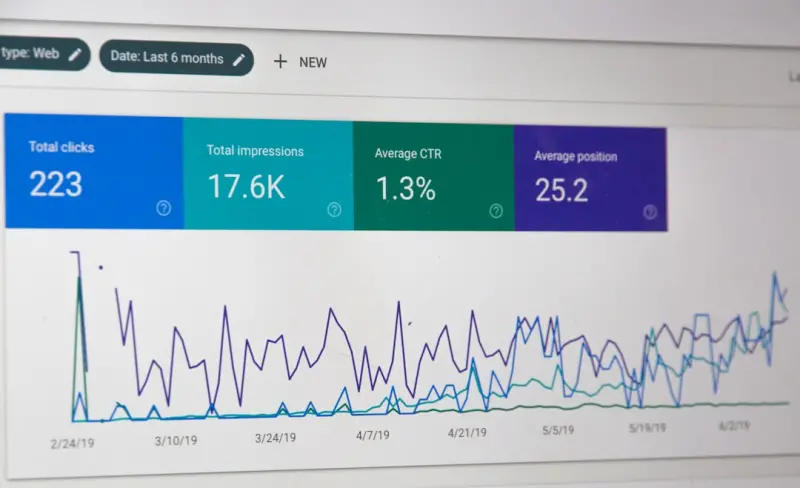
Traditional SEO KPIs like organic traffic and keyword rankings still matter, but visual search demands new measurement lenses. Track impressions and clicks from Google Image Search via the Search Console “Performance > Image Search” report, and monitor the rise in “Top‑Level Image” rich results in SERP features. Use Google Analytics to set up events for image clicks, scroll depth on galleries, and the conversion rate of users who arrived via visual search. Combine these data points with A/B tests on image alt text variations to identify which descriptors drive the most qualified traffic. Over time, you’ll see a correlation between higher visual SERP visibility and increased average order value, proving that visual SEO is a revenue engine, not just a vanity metric.
Future‑Proofing Your Visual SEO Strategy
The visual search landscape will evolve as AR, VR, and 3D modeling become mainstream shopping tools. Preparing now means investing in 3D product models, interactive 360° views, and augmented reality try‑on experiences that can be indexed as ImageObject or 3DModel schema. Keep an eye on emerging standards like Google’s “Visual Search API” and ensure your CMS can export metadata in real time. By building a flexible image pipeline today, you’ll stay ahead of the curve and capture early mover advantage when search engines begin to rank immersive visual experiences alongside static photos. The payoff will be a brand that not only appears in text‑based results but dominates the visual discovery frontier.

In the world of freelance writing, where creativity and adaptability are paramount, Michelle Fisher stands out as a dedicated and versatile professional. With a passion for crafting compelling narratives and a keen eye for detail, Michelle has established herself as a trusted voice.
Related Posts

Unlocking the SEO Power of User‑Generated Content for eCommerce Growth
Learn how to turn customer reviews, photos, and questions into powerful SEO assets that rank higher,... Read More

Voice Search is the New SEO Playground for eCommerce Brands
Voice assistants are reshaping product discovery. Learn a practical framework to align product taxon... Read More

Scaling International eCommerce SEO: Strategies for Global Growth
Learn how to master international eCommerce SEO with actionable steps on hreflang, crawl budgets, lo... Read More
Top Posts

The Rise of Mobile‑Only Structured Data: Winning the Mobile SERP
Learn why traditional schema falls short on mobile and how to implement mobile‑only structured data to dominate search results on smartphones....Read More

Why Intetnet SEO Is the Future of Google Rankings
Learn why aligning content with searcher intent is essential for Google SEO success, and get actionable steps to boost rankings, engagement, and conversions....Read More

Mastering SEM: From Smart Bidding to Full‑Funnel Impact
Paid search isn’t dead; it’s evolving. Dive into smart bidding, first‑party audience targeting, and AI‑powered creative to turn clicks into measurable r...Read More

Unlocking WordPress Taxonomies for SEO Authority
Learn to transform WordPress categories, tags, and custom taxonomies into powerful SEO assets that improve crawl efficiency, boost rankings, and future‑proof ...Read More
0 Comments
Post Comment
You will need to Login or Register to comment on this post!