

Why Facebook Content Is a Secret Weapon for Search Rankings
When most marketers think about SEO, they picture Google‑centric tactics—meta tags, backlinks, and site speed—yet a massive portion of the internet’s conversation lives on Facebook, and search engines are listening. Every public post, comment, or shared video creates a traceable signal that can amplify your brand’s authority in the eyes of crawlers, especially when that content aligns with the intent of real‑world users. In my years of experimenting with cross‑platform growth, I’ve seen brands that ignore Facebook’s ecosystem miss out on a steady stream of contextual relevance that can tip the scales for competitive keywords.
Decoding Facebook’s Indexing Signals
Facebook isn’t a black box; it publishes guidelines that reveal how its public data is harvested by search bots, and understanding those nuances can turn casual posts into SEO assets. The platform surfaces public pages, verified profiles, and any content set to “Public” in its index, attaching metadata such as timestamps, author bios, and engagement metrics that search engines treat as trust factors. By deliberately shaping these elements—optimizing your “About” section, ensuring consistent NAP information, and using structured language in captions—you feed search engines a richer, more credible dataset that can improve visibility not just on Facebook but across the broader SERP landscape.
Optimizing Reels and Short‑Form Video for Discoverability
Short‑form video has exploded, and Facebook Reels now compete head‑to‑head with TikTok and Instagram Reels for user attention, making them a fertile ground for SEO‑driven storytelling. To harness this, start with a keyword‑rich hook within the first few seconds, as both users and crawlers prioritize the initial textual overlay and caption. Pair the video with a descriptive, naturally‑written title and an engaging caption that repeats your primary keyword once or twice—without keyword stuffing—to give crawlers contextual clues. Don’t forget to add relevant hashtags; they function as categorical tags that help both Facebook’s internal algorithm and external search engines surface your Reel when users search for related topics.
Crafting SEO‑Friendly Instant Articles
Instant Articles provide a fast, mobile‑optimized reading experience, and because they’re hosted on Facebook’s CDN, they inherit the platform’s authority, which can translate into higher rankings for the underlying content. When you create an Instant Article, embed a concise, keyword‑focused headline, followed by a well‑structured hierarchy of subheadings that mirror the logical flow of a traditional web page. Use the “og:description” meta tag to supply a compelling summary that includes your target phrase, and enrich the article with canonical tags pointing back to the original source to avoid duplicate content penalties. By aligning the article’s on‑page SEO fundamentals with Facebook’s publishing standards, you create a dual‑benefit asset that satisfies both platform users and search engine bots.
Strategic Use of Alt Text and Captions in Facebook Media
Images and videos on Facebook are indexed not just by their visual content but also by the textual descriptors you provide, making alt text and captions powerful, often overlooked, SEO tools. When uploading a photo, write a concise alt attribute that describes the scene while naturally incorporating a relevant keyword—think of it as an opportunity to signal context to both visually impaired users and search crawlers. For video captions, transcribe the spoken words and embed them directly into the post; this creates a crawlable text block that reinforces the video’s topic and boosts its relevance for related queries. Consistently applying these practices across all media assets builds a layered semantic map that search engines can easily interpret.
Leveraging Facebook Insights for Keyword Research
Facebook’s native analytics suite, Insights, offers a goldmine of data that can inform your broader keyword strategy beyond the platform itself. By drilling into the “Top Posts” report, you can identify which topics, phrases, and hashtags generate the highest organic reach and engagement, then cross‑reference those terms with Google Search Console to spot gaps in your current ranking profile. Additionally, the “Audience Demographics” section reveals the language preferences and interests of your followers, allowing you to tailor content that aligns with high‑intent search queries. Using this data-driven approach turns your Facebook community into a living keyword laboratory, feeding the rest of your SEO pipeline with fresh, high‑value terms.
Integrating Messenger Bot Interactions Into Your SEO Funnel
Messenger bots are more than customer service tools; they can act as an interactive SEO conduit that drives deeper user engagement and signals dwell time to search engines. Design a bot flow that welcomes visitors with a concise, keyword‑rich greeting, then offers to share relevant blog posts, case studies, or product pages based on the user’s expressed interest. Because each bot‑initiated link click is a measurable interaction, you can track which pieces of content resonate most and feed that data back into your on‑page SEO decisions. Moreover, the conversational nature of bots encourages users to spend more time on your linked assets, a behavioral metric that search algorithms increasingly value when assessing content quality.
Building Backlink Equity Through Facebook Shares
While Facebook links are “no‑follow” by default, the massive distribution potential of a well‑crafted post can still generate organic backlinks from other sites that discover your content via the platform. To maximize this effect, create shareable assets—such as infographics, data‑driven charts, or compelling case studies—and accompany them with a clear call‑to‑action that invites others to embed or reference the original source. When a reputable site links back to the original Facebook‑hosted piece, it adds a layer of authority that search engines recognize, effectively turning a “no‑follow” share into a catalyst for genuine, do‑follow backlinks. Consistently producing high‑value, share‑ready content multiplies this ripple effect across the web.
Measuring Impact and Fine‑Tuning Your Facebook SEO Playbook
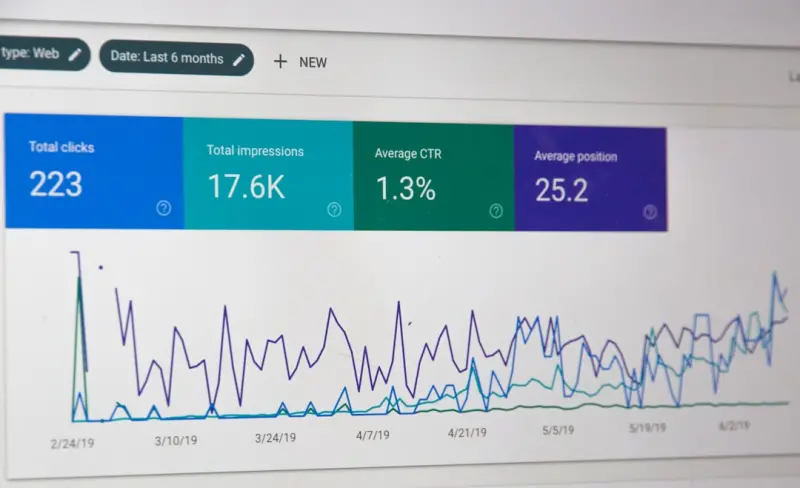
To prove the ROI of Facebook‑centric SEO tactics, you need a robust measurement framework that blends platform metrics with search performance data. Start by setting up UTM parameters on every external link you share on Facebook, then monitor traffic, bounce rate, and conversion metrics in Google Analytics to see how Facebook‑driven visitors behave on your site. Pair this with regular rank tracking for the keywords you’ve targeted in Reels, Instant Articles, and bot‑generated content. When you notice a correlation between a spike in Facebook engagement and improved SERP positions, double down on the successful format; conversely, if a tactic stalls, iterate quickly by adjusting headlines, captions, or targeting parameters. This continuous loop of testing, measuring, and optimizing ensures your Facebook SEO strategy remains agile and results‑focused.

Laura Wilson is a freelance writer specializing in the dynamic and ever-evolving field of health. With a passion for translating complex medical information into accessible and engaging content, Laura brings a wealth of knowledge and a fresh perspective to topics ranging from preventative care and nutrition to cutting-edge research and innovative treatments.
Related Posts

Unleashing Facebook’s Untapped SEO Potential for Brands
A fresh look at Facebook SEO reveals hidden opportunities in groups, Reels, Marketplace listings, an... Read More

Supercharge Your Brand’s Visibility: A Tactical Guide to Facebook Page SEO
Discover a step‑by‑step guide to optimizing your Facebook Page for Google search, from clean URL... Read More

Unlocking Facebook Groups for Explosive SEO Authority
Learn how Facebook Groups can become an SEO powerhouse by leveraging community posts, live video, Ma... Read More
Top Posts
Unlocking Google SERP Real Estate: How SaaS Brands Can Turn Snippets, PAA, and Knowledge Panels into Lead Magnets
This guide shows SaaS marketers a three‑phase framework—Scout, Shape, Scale—to identify, optimize, and dominate Google SERP features, turning zero‑click...Read More

How PWAs Are Redefining Mobile SEO for SaaS Brands
Progressive Web Apps blend native‑app performance with web discoverability, offering SaaS brands a powerful way to improve mobile rankings, user engagement, a...Read More

Reinventing Link Building: Trust, Collaboration, and the Knowledge Hub Approach
Link building has evolved beyond simple outreach. This post explores how trust signals, strategic partnerships, and knowledge hubs can create high‑quality bac...Read More

Turn Your Store Into a Shoppable Live‑Streaming Hub
Learn to launch shoppable live streams that blend real‑time video, authentic storytelling, and seamless checkout—driving higher conversion rates and global ...Read More
0 Comments
Post Comment
You will need to Login or Register to comment on this post!