

When most marketers think “SEO,” the first thing that pops into their heads is Google’s ever‑shifting algorithm. But the reality is far more nuanced: every searchable platform—YouTube, Amazon, even TikTok—has its own ranking logic. Facebook, the world’s largest social graph, is no exception. While the platform isn’t a traditional search engine, its pages, posts, and even video reels are indexed by Google and can surface in SERPs, local packs, and knowledge panels. Treating Facebook as a searchable asset unlocks a low‑cost, high‑visibility channel that most SaaS teams overlook.
Why Facebook Deserves Its Own SEO Playbook
Facebook’s authority is undeniable. A single page can rank on the first page of Google for competitive keywords simply because the platform’s domain (facebook.com) carries a PageRank that dwarfs most brand domains. Moreover, Facebook’s internal search (the “graph search” that many thought was dead) still surfaces relevant pages, groups, and events for users who stay within the ecosystem. Ignoring these signals means leaving a massive amount of free real‑estate on the table.
In my experience, the biggest mistake SaaS marketers make is treating a Facebook Page like a vanity metric. Instead, view it as a “searchable hub” that feeds both internal Facebook discovery and external web search. When optimized correctly, a Facebook Page can:
- Rank for branded and non‑branded keywords in Google.
- Drive referral traffic from the platform’s own search results.
- Boost local SEO signals via Facebook Places and reviews.
- Provide rich, structured data to search crawlers via Open Graph tags.
Start With a Crawl‑Ready Facebook Page
Just as you would audit a website for crawlability, begin by ensuring Facebook’s bots can see and interpret your Page:
- Consistent NAP (Name, Address, Phone): Use the exact same format you display on your website and other directories. This uniformity signals trust to Google’s local algorithms.
- Category Selection: Choose the most specific category that matches your SaaS solution. “Software Company” is generic; “Customer Success Platform” is more precise and can surface for niche queries.
- Custom URL: Claim a vanity URL (e.g., facebook.com/YourProduct) and align it with your primary domain’s branding.
- Open Graph Optimization: Populate the OG title, description, and image fields. These tags are harvested by both Facebook’s feed and Google’s rich result snippets.
When you set these fundamentals, you give search crawlers a clean, indexable profile that can rank alongside your main domain.
Leverage Structured Data Beyond OG Tags
Open Graph is just the tip of the iceberg. Facebook now supports JSON‑LD snippets that embed schema.org markup directly into page posts. By adding Product, FAQ, or Review schema to your posts, you empower Google to surface your content as rich cards. For SaaS products, a SoftwareApplication schema can display pricing, operating system, and feature bullets right in the SERP.
Implementation tip: When publishing a blog link on Facebook, paste the canonical URL, then edit the post’s “Add a Note” section with a short JSON‑LD block. Facebook’s scraper will index it, and Google will pick up the structured data when it crawls the post’s URL.
Content Types That Outrank Traditional Posts
Facebook isn’t just a static page; it’s a multimedia powerhouse. Here’s how each content type contributes to SEO:
- Reels & Short‑Form Video: Google now indexes video snippets from Facebook Reels, especially when they include relevant keywords in the caption and subtitles. Treat Reels as micro‑landing pages—optimize titles, add closed captions, and embed a call‑to‑action linking back to a dedicated blog post.
- Live Streams: Archived live videos appear in Google’s video carousel. Use a keyword‑rich title and description before you go live, and pin the video to the top of your Page for continuous visibility.
- Stories: While stories themselves are ephemera, the linked swipe‑up URLs (available to verified pages) can pass link equity to your site, and the story’s headline text is indexed for short‑term keyword spikes.
- Polls & Q&A Sessions: These generate user‑generated content that Google can crawl, adding fresh, relevant text around target keywords without you having to write a single line.
Each of these formats feeds Google’s “freshness” signal, a factor that can boost rankings for timely queries.
Turn Facebook Groups Into Authority Signals
Groups are the community backbone of Facebook. When you create a niche group around a specific pain point—say “Customer Success Automation for B2B SaaS”—you’re building a topical authority hub. Google has started surfacing relevant groups in its SERPs, especially for “how‑to” and “best practice” queries. Here’s a quick framework:
- Define a Narrow Scope: Avoid generic names like “SaaS Marketing.” Instead, focus on a concrete problem or industry vertical.
- Keyword‑Optimized Description: Insert primary and secondary keywords naturally. This description is crawled by Google and can rank for those terms.
- Pin a High‑Value Resource: Pin a blog post that serves as a cornerstone piece. Every time a member clicks, you get referral traffic and an engagement signal that search bots love.
- Encourage Member‑Generated Q&A: The more members ask and answer questions, the richer the content pool becomes. Google sees this as a living FAQ.
Groups also act as a feedback loop for your content strategy. Track the most frequent questions and feed them into your blog pipeline, creating a virtuous cycle of SEO‑driven content creation.
Harvest Facebook Reviews for Local SEO
Even SaaS businesses with a global footprint benefit from local signals. Facebook reviews appear in the local pack and can influence the “knowledge panel” for your brand. To maximize impact:
- Prompt happy customers to leave a review directly on your Page (not just on third‑party sites).
- Respond to each review promptly; Google interprets engagement as a trust factor.
- Encourage reviewers to mention specific use‑cases or product features—these naturally embed long‑tail keywords.
- Export reviews regularly and embed them in your website’s testimonial schema for cross‑platform reinforcement.
Bridge Facebook Pixel Data Into Your SEO Dashboard
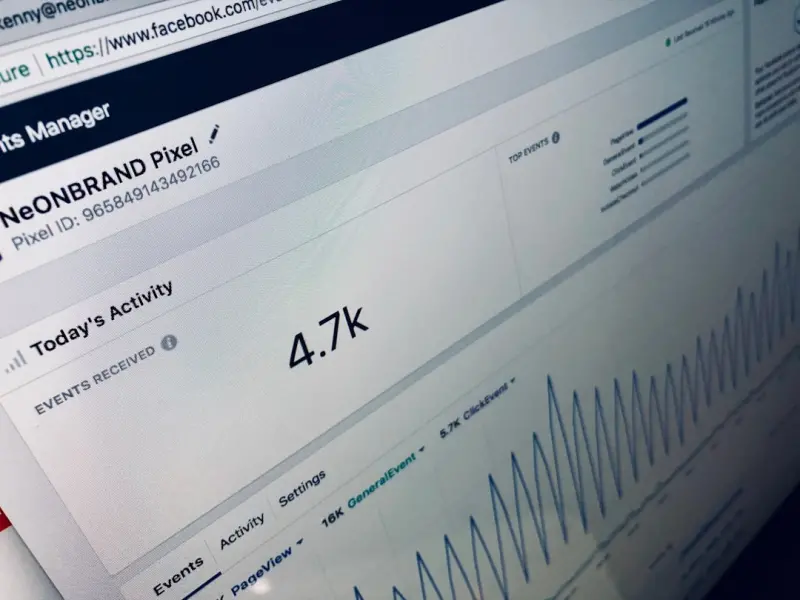
Most teams treat the Facebook Pixel as a paid‑media metric, but the data it collects—page views, scroll depth, conversion events—can enrich your SEO insights. By feeding Pixel data into an analytics platform (e.g., Google Data Studio), you can answer questions like:
- Which Facebook‑driven blog posts have the highest organic dwell time?
- Do users who land from Facebook Reels exhibit lower bounce rates than those from traditional search?
- Which product features mentioned in Facebook posts correlate with increased on‑site sign‑ups?
These cross‑channel correlations help you prioritize content that satisfies both social and search audiences.
Integrate Facebook Signals Into Your Data‑First Playbook for Earning High‑Quality Links
One of the most powerful, yet underutilized, SEO tactics is using Facebook content as a link‑building magnet. When you publish a data‑rich infographic on Facebook, you can encourage industry publications to embed it on their sites—earning you a high‑authority backlink. Here’s a step‑by‑step approach:
- Identify a Data Gap: Use your internal analytics to surface a unique metric (e.g., “30% increase in churn after 90‑day free trials”).
- Design a Shareable Asset: Turn the data into a visually compelling graphic optimized for Facebook’s 1.91:1 ratio.
- Publish on Facebook with a Contextual Caption: Include a clear, keyword‑rich headline and a CTA to download the full report.
- Outreach to Relevant Publications: Pitch the asset as a “quick‑reference guide” and provide an embed code that includes a backlink to your site.
- Track Referral Links: Use UTM parameters to attribute traffic and measure SEO impact.
This loop not only amplifies your brand’s reach on Facebook but also feeds the traditional link‑building pipeline, creating a synergistic SEO boost.
Adopt an Edge SEO Mindset for Facebook Content Distribution
Edge SEO—delivering content from servers closest to the user—has become a staple for SaaS performance. The same principle applies to Facebook when you consider the platform’s CDN (Content Delivery Network) infrastructure. By uploading assets (videos, PDFs) directly to Facebook’s native storage rather than linking externally, you benefit from:
- Faster load times, which improve on‑page engagement metrics that Google crawlers monitor.
- Higher likelihood of being cached in regional data centers, reducing latency for global audiences.
- Enhanced shareability, as native Facebook content receives algorithmic boost over external links.
Combine this with a strategic posting schedule aligned to your audience’s time zones, and you’ll see a measurable uptick in both social reach and organic click‑throughs to your site.
Measuring the ROI of Facebook SEO
To prove the value of Facebook SEO to stakeholders, set up a multi‑layered measurement framework:
- Google Search Console (GSC) Filters: Create a custom filter for URLs that contain “facebook.com” referrals. Track impressions, clicks, and average position.
- Facebook Insights: Monitor “Post Reach,” “Link Clicks,” and “Page Views” for each SEO‑focused post.
- Referral Attribution: Use UTM parameters like
utm_source=facebook&utm_medium=social&utm_campaign=seoto isolate traffic in Google Analytics. - Conversion Funnel Analysis: Tie Facebook‑originating sessions to downstream events (e.g., trial sign‑up, demo request) to calculate a true ROI.
When you layer these data points, you’ll uncover patterns such as “Reels drive 2× higher conversion rates than static posts” or “Group‑driven traffic has a 30% lower bounce rate,” enabling data‑driven optimization.
Future‑Proofing Your Facebook SEO Strategy
Facebook’s algorithmic landscape evolves faster than most think. To stay ahead:
- Monitor Algorithm Updates: Follow the Facebook for Developers blog and SEO newsletters for changes that affect indexing.
- Test Emerging Formats: As “Facebook Shops” and “Live Shopping” become more prevalent, treat product listings as potential SERP entries.
- Invest in Structured Social Data: Explore schema extensions for “Social Media Posting” to give search engines more context.
- Maintain a Cross‑Platform Narrative: Align your Facebook content with LinkedIn Articles, Medium posts, and your own blog to reinforce thematic relevance across the web.
By treating Facebook as a search‑centric platform—not just a social playground—you unlock a steady stream of organic traffic, brand authority, and conversion potential that many SaaS competitors are still missing.
Ready to put these tactics into action? Start with a quick audit of your Page’s Open Graph tags, spin up a Reel that tackles a hot industry question, and watch Google lift your brand from the depths of the feed to the top of the search results.

Alex Moss is a digital marketing professional and SEO consultant, focusing on technical and structural SEO along with product development. With more than six years of experience in various facets of digital marketing, he has assisted brands of all sizes in establishing and enhancing their online presence, as well as fostering increased product loyalty.
Related Posts
Facebook Groups: The Untapped SEO Engine for SaaS Brands
Learn why Facebook Groups are the hidden SEO powerhouse for SaaS, with a step‑by‑step framework ... Read More

Why Facebook Groups Are the Secret SEO Powerhouse You’re Overlooking
Facebook Groups aren’t just for community chatter—they’re a hidden search engine. Learn how to... Read More

Mastering Facebook SEO: A SaaS Marketer’s Playbook for Organic Growth
Discover a step‑by‑step guide to turning Facebook into a searchable asset for SaaS growth, cover... Read More
Top Posts

Mapping Neighborhood Influence: A Data‑Driven Playbook for Local Search Dominance
Discover a fresh, data‑focused approach to local SEO that turns real‑world neighborhood interactions into digital ranking signals, driving more foot traffic...Read More

Conversational Commerce: Turning Chat Into Your Hottest Sales Channel
Discover why messaging apps are becoming the new storefront and how to build a conversational commerce strategy that blends AI chatbots, rich media, and microâ€...Read More

Content Repurposing: The Underrated SEO Power Play
Learn why turning a single article into videos, podcasts, and infographics multiplies SEO impact, boosts internal link equity, and keeps your site resilient aga...Read More

Zero‑Party Data: Turning Customer Consent into Marketing Power
Zero‑party data lets consumers voluntarily share preferences, enabling marketers to craft truly personalized, privacy‑first experiences that drive higher en...Read More
0 Comments
Post Comment
You will need to Login or Register to comment on this post!