

Why Hyper‑Local Storytelling Is the Next Frontier in Local SEO
When a searcher types “best coffee near me,” they aren’t just looking for a generic list; they crave a narrative that connects the brand to the block they walk every morning. Hyper‑local storytelling fills that gap by weaving neighborhood history, upcoming events, and resident anecdotes into a single, searchable tapestry. By positioning your business as the curator of community memories, you create a magnetic pull that traditional citation‑heavy tactics simply cannot match.
Mining Municipal Data and Event Calendars for Fresh Content
The city hall website, public library bulletin boards, and local chamber of commerce calendars are gold mines of timely, location‑specific information that search engines love. Pulling data about farmer’s markets, street fairs, and school fundraisers gives you a steady stream of “evergreen‑plus” topics that stay relevant long after the event passes. When you repurpose that data into blog posts, landing pages, or structured snippets, you signal to Google that your site is the go‑to source for real‑world happenings in the neighborhood.
Structured Data: Turning Events Into SERP Real Estate
Schema markup for LocalBusiness, Event, and FAQ transforms ordinary listings into rich results that sit prominently in the local pack. By embedding JSON‑LD snippets that include start dates, ticket prices, and venue coordinates, you give Google the precise details it needs to surface your content directly in the “People also ask” and “Local events” sections. The result is a higher click‑through rate and a measurable boost in foot traffic, because users see exactly what they’re looking for without leaving the search page.
Crafting Neighborhood Guides That Feel Like a Conversation
Instead of a sterile directory, imagine a guide titled “A Walk Through Oakwood’s Hidden Murals” that blends vivid descriptions, resident quotes, and interactive maps. Such content not only satisfies the informational intent of locals but also attracts tourists searching for authentic experiences. By layering internal links to related services—like a nearby boutique or a recommended brunch spot—you create a web of relevance that search engines reward with higher authority for the entire locale.
Micro‑Influencer Collaboration: Turning Local Voices Into Ranking Signals
Partnering with neighborhood chefs, fitness trainers, or boutique owners yields authentic content that resonates with both users and algorithms. When a beloved local baker shares a behind‑the‑scenes video of their morning prep, embed that media on your site and tag the creator, creating a reciprocal backlink profile that feels natural. For a deeper dive on partnership tactics, see building community partnerships, which outlines how trust‑based collaborations amplify search visibility.
Real‑Time Social Signals: Leveraging Geotagged Posts for Immediate Authority
Instagram stories, TikTok reels, and Twitter threads that include location tags act as micro‑citations that Google increasingly evaluates for freshness. By aggregating these posts into a live‑updating “Community Wall” on your site, you demonstrate active engagement and signal that your business is embedded in the daily rhythm of the area. The more frequently you refresh this feed, the stronger the real‑time relevance signal, which can push you into the coveted “Map Pack” faster than static citations alone.
Technical Foundations: NAP Consistency and Business Profile Fine‑Tuning
Even the most compelling narrative falls flat if the foundational NAP (Name, Address, Phone) data is inconsistent across directories. Conduct a systematic audit using tools that crawl Google Business Profile, Apple Maps, and Yelp, then synchronize every listing to match the exact format on your website. Small tweaks—like adding a secondary service area in the profile description or selecting the most relevant business categories—can shave seconds off the time it takes for a user to find you, directly influencing conversion rates.
Measuring Success and Iterating with AI‑Driven Insights
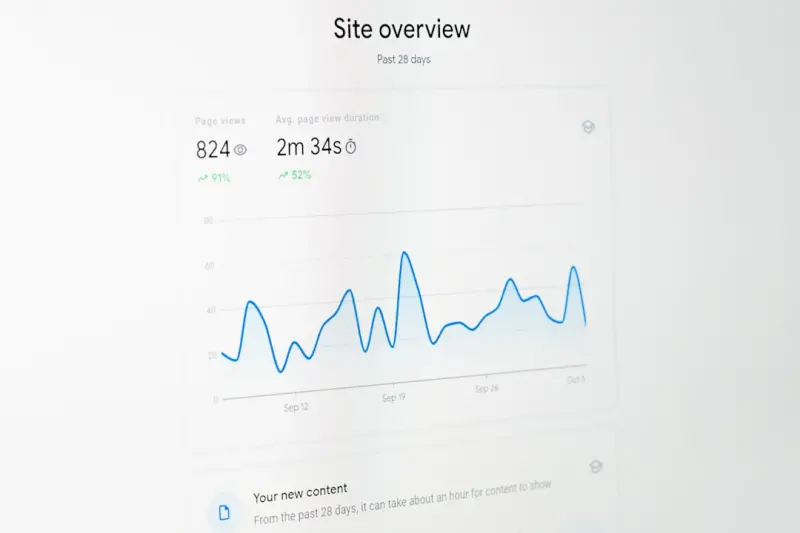
Local search performance isn’t a set‑and‑forget operation; it requires continuous monitoring of rankings, click‑through rates, and foot‑traffic metrics. Advanced analytics platforms now integrate AI to predict which hyper‑local topics will surge in interest based on seasonal patterns and social chatter. To explore how these models can sharpen your strategy, read AI‑driven local search insights, which explains the next wave of intent‑focused optimization for neighborhood businesses.

Ryan Stuart is a seasoned freelance features writer, editor, and professional photographer with a passion for exploring the world and capturing its beauty through words and images.
Related Posts

Beyond Listings: Turning Local Search Into SaaS Trial Growth
Local SEO isn’t just for storefronts. Discover a purpose‑driven framework that uses hyper‑loca... Read More

Neighborhood‑First SEO: Turning Local Communities into Ranking Power for SaaS
A neighborhood‑first SEO strategy goes beyond listings, weaving SaaS solutions into the daily fabr... Read More

Local SEO Unlocked: How Community Signals Supercharge SaaS Visibility
Learn how SaaS companies can leverage hyper‑local signals, optimized business listings, and commun... Read More
Top Posts

How to Turn Google Discover into a Traffic Engine
Google Discover can flood your site with high‑value clicks. This guide reveals the signals, content tricks, and data loops you need to dominate the feed and b...Read More

Edge-First Technical SEO: How Serverless and CDNs Are Reshaping Rankings
This post explores the emerging edge-first approach to technical SEO, detailing serverless rendering, CDN caching tactics, and practical steps to improve crawl ...Read More

Conversational Commerce SEO: Ranking in Voice‑First Shopping
Explore the rise of voice‑first shopping and how brands can adapt SEO tactics— from schema to micro‑influencer audio backlinks— to capture top spots in ...Read More
SERP Feature Optimization: Turning Search Results Into Real Estate
Discover a fresh SEO strategy that focuses on SERP features—like featured snippets, Knowledge Panels, and video carousels—so your brand can claim prime real...Read More
0 Comments
Post Comment
You will need to Login or Register to comment on this post!