

Why Hyper‑Local Community Partnerships Are the Next Frontier in Local SEO
When most businesses think about local SEO they immediately gravitate toward the obvious tactics—optimizing Google Business Profiles, gathering reviews, and building citations on the big directories. What many overlook is the untapped power of hyper‑local community partnerships, where a storefront becomes a neighborhood hub and every local event, micro‑influencer, and niche forum contributes to a web of relevance that search engines can’t ignore. By embedding your brand into the everyday rhythm of a specific block, a suburb, or even a single zip code, you create a dense cluster of contextual signals that outrank broader city‑level competitors, especially when Google’s algorithms continue to prioritize real‑world relevance over sheer authority.
Mapping Neighborhood Assets to Create Content Goldmines
The first step in a hyper‑local strategy is to map out the assets that define a community—schools, parks, farmers markets, historic landmarks, and local charities—then turn each asset into a content opportunity that speaks directly to the people who search for it. Instead of generic “best coffee shops in town” articles, you publish a “Weekend Guide to the Riverside Farmers Market” or a “History Walk of Oak Street” that weaves in your brand naturally, positioning you as the go‑to expert for that micro‑area. This approach not only fuels fresh, location‑specific landing pages that satisfy Google’s desire for unique, user‑focused content, but it also encourages local backlinks from community blogs, municipal sites, and event organizers eager to promote the guide they helped create.
Micro‑Influencers and Local Business Coalitions: Amplifying Authority
Beyond content, the real boost comes from forming alliances with micro‑influencers—those neighborhood chefs, boutique owners, and hobbyist photographers who command a loyal, hyper‑targeted audience on Instagram, TikTok, or local podcasts. By offering them a platform to showcase their expertise in exchange for a mention, joint giveaway, or a co‑hosted event, you earn authentic endorsements that translate into social signals and referral traffic. Simultaneously, joining or spearheading a local business coalition—such as a downtown merchants association—creates a network of mutual citation opportunities, shared newsletters, and collaborative SEO assets that amplify each member’s visibility while reinforcing the collective relevance of the area in Google’s eyes.
Leveraging Niche Review Platforms and Visual Search
While Google reviews remain the cornerstone, savvy marketers also tap into niche platforms where locals actually discuss services—think neighborhood forums, specialty directories, and even visual‑search‑friendly sites that showcase product images in a local context. Embedding high‑quality, geotagged images that appear in visual search results can drive a steady stream of discovery traffic from users who snap a photo of a storefront or product and expect immediate local results. Moreover, encouraging satisfied customers to leave testimonials on platforms like Nextdoor, Yelp’s local sub‑categories, or industry‑specific review sites diversifies your backlink profile and signals to search engines that your business is deeply embedded in the community’s fabric.
Creating Zip‑Code Specific Landing Pages That Rank
Instead of a single “Our Services” page that tries to serve an entire metropolitan area, break it down into zip‑code or neighborhood‑specific landing pages that each address the unique needs, landmarks, and search intent of that micro‑region. Each page should feature localized copy, a map with a pinpointed marker, and a curated list of nearby attractions or complementary businesses, all of which reinforce geographic relevance. By interlinking these pages in a logical hierarchy—city hub → region → zip code—you help search engines understand the spatial relationships, while users appreciate the tailored experience that feels like it was written just for their block.
Implementing Event‑Schema Markup for Community Calendars
One of the most underutilized SEO tools for hyper‑local visibility is structured data that announces upcoming events—farmers markets, charity runs, or local art walks—directly to search engines. By adding Event schema to your community calendar pages, you enable Google to surface those events in rich results, often with a “Live” badge that draws immediate clicks. Pair this with a call‑to‑action that encourages local partners to embed the same markup on their sites, creating a web of synchronized event signals that collectively boost the authority of the entire neighborhood’s digital footprint.
Social Signals from Community Groups and the Role of Facebook SEO
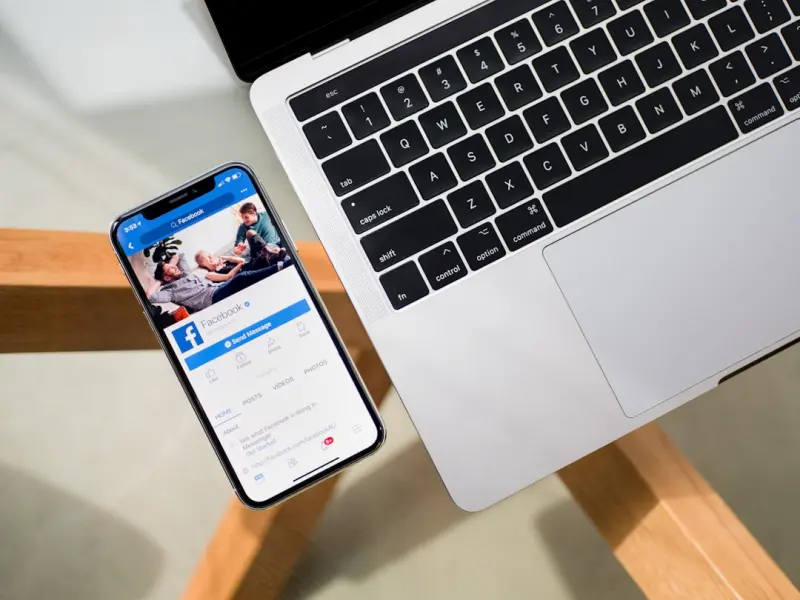
Local Facebook groups, neighborhood pages, and community boards remain hotbeds of conversation where residents share recommendations, ask for service referrals, and post about local happenings. Actively participating in these groups—answering questions, sharing your hyper‑local guides, and subtly linking back to your zip‑code pages—generates social signals that Google interprets as a marker of trust and relevance. When you also optimize your brand’s Facebook page with location tags, consistent NAP information, and regular posts that echo your neighborhood content, you create a dual‑channel presence that reinforces both the social and search signals of your hyper‑local authority.
Measuring Success: From Google Business Insights to Third‑Party Heatmaps
To know whether your hyper‑local tactics are moving the needle, you need a measurement framework that goes beyond overall traffic and looks at micro‑level engagement. Google Business Insights now provides data on searches, views, and actions broken down by specific neighborhoods, while tools like heatmap analytics can reveal which zip‑code landing pages generate the most clicks, scroll depth, and conversion events. Combine these insights with citation audits that track the emergence of new local backlinks from community sites, and you’ll have a holistic view of how your hyper‑local network is influencing both rankings and real‑world foot traffic.
Future‑Proofing with Micro‑Moments and Augmented Reality
As search continues to evolve toward instant, intent‑driven micro‑moments, hyper‑local businesses that can surface the right information at the exact moment a resident decides “where should I eat tonight?” will dominate. Augmented reality experiences—such as a virtual tour of a nearby boutique or an AR overlay that highlights a restaurant’s outdoor seating during a city festival—are poised to become the next layer of local discovery. Investing now in AR‑ready assets, location‑based push notifications, and real‑time inventory updates ensures that your brand stays at the forefront of the hyper‑local experience, turning curiosity into footfall before the competition even knows the question was asked.
Putting It All Together: A Blueprint for Hyper‑Local Dominance
In practice, a successful hyper‑local SEO strategy blends community mapping, micro‑influencer collaborations, niche review cultivation, zip‑code landing pages, structured event markup, and robust social participation into a cohesive ecosystem that Google recognizes as the digital heartbeat of a neighborhood. By committing to this granular, partnership‑focused approach, you not only improve rankings but also embed your brand into the daily lives of the people you aim to serve, turning casual searchers into loyal patrons. Start today by identifying three local events, reaching out to two micro‑influencers, and drafting a zip‑code guide—watch the community, and the rankings, respond in kind.

Mark Daniels demonstrates exceptional writing skills, showcasing his talent for creating captivating and engaging content on various subjects. In his leisure time, he indulges in his interests in camping and fishing.
Related Posts

Hyperlocal Landing Pages: The Secret Weapon for Multi‑Location SaaS Brands
A deep dive into building hyperlocal landing pages that transform city‑specific relevance into pow... Read More

Hyperlocal Mastery: Turning Neighborhood Nuances into Search Dominance
Learn how to dominate local search by targeting micro‑geographies, using advanced structured data,... Read More

Hyper‑Local Content Clusters: Dominating the “Near Me” Landscape
Discover a fresh local SEO approach that builds neighborhood‑specific content hubs, leverages sche... Read More
Top Posts

Mastering Gutenberg: SEO‑Ready WordPress Blocks for Maximum Visibility
Learn to build SEO‑optimized Gutenberg blocks that combine semantic markup, structured data, and performance tweaks, turning every WordPress page into a ranki...Read More

Crawl Budget Mastery: Unlocking Technical SEO for Large SaaS Platforms
A deep dive into crawl budget optimization for SaaS platforms, offering practical steps—URL consolidation, server speed upgrades, smart sitemaps, and internal...Read More

Zero‑Click SEO: Winning the Battle for Visibility in a Snippet‑First World
Explore actionable tactics for mastering featured snippets, FAQ rich results, and content clusters to thrive in a zero‑click search environment....Read More
Why Facebook Groups Are the Secret SEO Powerhouse You’re Overlooking
Facebook Groups aren’t just for community chatter—they’re a hidden search engine. Learn how to optimize, create engaging content, and measure ROI to turn ...Read More
0 Comments
Post Comment
You will need to Login or Register to comment on this post!