

When I first stepped into the world of SaaS marketing, I was dazzled by the allure of backlinks, influencer outreach, and the ever‑shifting algorithms that seemed to dictate the fate of a product page. Over time, I realized that the most reliable, controllable lever in my SEO toolbox lives right under my fingertips: the on‑page experience.
On‑Page SEO Isn’t Just Check‑Boxes Anymore
Years ago, the on‑page checklist was a straightforward set of items: title tag, meta description, H1, keyword density, and alt text. Fast forward, and that list feels archaic. Google’s crawlers have grown smarter, and users have become more sophisticated. Today, on‑page SEO is the crossroads where technical precision, psychological insight, and conversion‑centric design intersect.
Think of your SaaS landing page as a high‑stakes conversation. Every element—heading, paragraph, button, image—should speak a clear, purposeful line that guides the visitor from curiosity to commitment. When you treat on‑page optimization as a narrative, you naturally align it with both ranking signals and revenue goals.
1. Intent‑First Content Architecture
The first step is to understand the search intent that brings a prospect to your page. In SaaS, intent often falls into three buckets: informational (learning about a problem), navigational (seeking a specific solution), and transactional (ready to evaluate or buy).
- Informational: Blog posts, guides, and industry overviews. The goal is to establish authority.
- Navigational: Product feature pages or pricing tables where users expect to find exact details.
- Transactional: Demo requests, free‑trial sign‑ups, or demo‑video embeds that push the lead further down the funnel.
Map each piece of content to one of these intents, then craft a content hierarchy that mirrors the user’s journey. Your H1 should instantly signal the page’s primary intent, while subsequent sub‑headings (H2, H3) break the narrative into digestible chapters.
For example, a page targeting “project‑management SaaS for remote teams” could be structured as:
- H1: The Ultimate Remote‑Team Project Management Platform
- H2: Why Remote Teams Need Specialized Tools
- H2: Core Features That Keep Projects on Track
- H3: Real‑Time Collaboration
- H3: Automated Reporting & Dashboards
- H2: Customer Success Stories
- H2: Start Your Free Trial Today
This hierarchy does three things simultaneously: it satisfies Google’s semantic parsing, guides readers logically, and places conversion opportunities at natural stopping points.
2. Semantic HTML & Structured Messaging
Google’s algorithms now evaluate the semantic relationships between page elements. Using proper HTML tags isn’t just about accessibility; it signals hierarchy to crawlers. Here’s how to level‑up:
- Use
<section>and<article>tags to group related content blocks. This helps Google understand thematic sections. - Leverage
<aside>for supplemental information—think FAQs, quick stats, or side‑by‑side comparisons that complement the main narrative. - Employ
<figure>and<figcaption>for images that carry explanatory text. A well‑crafted caption can reinforce keyword relevance.
While schema markup is a separate beast (and has already earned its own spotlight), you can still embed micro‑copy that aligns with rich‑snippet expectations. For a SaaS pricing table, a simple data-price attribute can help Google surface price ranges directly in SERPs.
3. Core Web Vitals as On‑Page Ranking Signals
Google’s Core Web Vitals—Largest Contentful Paint (LCP), First Input Delay (FID), and Cumulative Layout Shift (CLS)—are now entrenched as on‑page ranking factors. In the SaaS world, where you’re often serving heavy‑weight JavaScript applications, these metrics can make or break organic visibility.
Here’s a quick audit checklist to keep your page humming:
- LCP under 2.5 seconds: Prioritize above‑the‑fold assets. Serve compressed, next‑gen images (WebP), and defer non‑critical scripts.
- FID under 100 ms: Use
asyncordeferfor JavaScript, and consider server‑side rendering for key interactive components. - CLS under 0.1: Reserve space for dynamic elements (e.g., embedded videos or CTA buttons) using CSS aspect‑ratio or placeholder divs.
Remember, improving these metrics isn’t an isolated technical task. It also boosts user satisfaction, which feeds back into behavioral signals like dwell time and bounce rate—factors that Google increasingly respects.
4. Persuasive Copy That Marries SEO and Conversion
SEO copywriters often wrestle with the tension between keyword optimization and compelling storytelling. My approach is to let the primary keyword guide the semantic context rather than dictate the exact phrasing.
Start with a value‑first headline that incorporates the keyword naturally. Follow with a sub‑headline that expands on the promise, and then dive into benefit‑driven bullet points. Use the strong tag sparingly—reserve it for core value propositions that you want Google to deem important.
Here’s a snippet that illustrates this balance:
<h1>Streamline Remote Project Management with Acme SaaS</h1>
<h2>Your team’s productivity, amplified—no matter where they work</h2>
<p>Acme SaaS brings real‑time collaboration, automated reporting, and AI‑driven insights into a single, secure dashboard. Say goodbye to email overload and hello to measurable outcomes.</p>
The keyword “remote project management” appears in the H1, while the benefits are highlighted in bold—giving Google a clear signal about the page’s relevance and purpose.
5. Interactive Elements That Boost Dwell Time
One of the most under‑leveraged on‑page tactics for SaaS sites is embedding interactive experiences that keep visitors engaged. While we’ve written extensively about interactive content as a growth lever, applying it strategically within the on‑page SEO framework can amplify both rankings and conversions.
Consider these low‑friction ideas:
- Feature calculators that let prospects estimate ROI based on their own data.
- Live chat widgets that surface contextual answers without leaving the page.
- Embedded demo videos that autoplay silently for a few seconds, then invite a click—this satisfies user intent while improving time‑on‑page.
When you embed these elements, make sure they’re lazy‑loaded and don’t interfere with Core Web Vitals. A well‑implemented interactive module can increase average session duration by 30–40%, a signal that search engines interpret as relevance.
6. Internal Linking as a Conversion Funnel
Internal links are often treated as a purely SEO‑centric tactic—helping crawlers discover deeper pages and distributing link equity. But they can also act as subtle nudges that shepherd a prospect toward the next conversion step.
Map out a link flow that mirrors the buyer’s journey:
- Top‑of‑the‑funnel content (blog posts, industry guides) links to a mid‑funnel feature overview.
- The feature overview then points to case studies or testimonials, providing social proof.
- Finally, each case study includes a CTA that leads to a demo request or free‑trial signup.
This structure not only distributes PageRank but also aligns SEO with conversion objectives. If you need inspiration on building a robust internal link strategy, take a look at our guide on content clusters strategy—the principles translate nicely to a SaaS funnel.
7. Leveraging User‑Generated Signals for On‑Page Authority
Google has hinted that user‑generated signals such as reviews, comments, and Q&A can influence rankings. For SaaS, these signals often live in community forums, product review sites, and even embedded testimonial sliders.
Integrate a review schema block that pulls in real customer quotes. Use a <section id="reviews"> that Google can parse, and ensure each testimonial includes a concise, keyword‑rich excerpt. Not only does this enrich the page’s content, but it also signals authenticity to both users and crawlers.
8. Continuous On‑Page Testing: The SEO CRO Loop
SEO is no longer a set‑and‑forget discipline. The most successful SaaS marketers treat on‑page optimization as an ongoing experiment.
Here’s my three‑step loop:
- Data collection: Use Google Search Console, heatmaps, and session recordings to identify high‑bounce sections.
- Hypothesis: Formulate a test—e.g., “If I replace the current hero copy with a benefit‑first headline, bounce rate will drop 15%.”
- Implementation & measurement: Run A/B tests with a tool like Google Optimize or a SaaS‑specific CRO platform. Track both SEO metrics (rankings, CTR) and conversion metrics (form completions, demo requests).
This iterative approach ensures that every on‑page tweak is validated against real user behavior, creating a virtuous cycle of higher rankings and better lead quality.
9. Aligning On‑Page SEO with the Broader Marketing Stack
Finally, remember that on‑page SEO doesn’t exist in a vacuum. It should be coordinated with paid search, email nurture sequences, and product‑led growth initiatives. When you align the language and messaging across these channels, you reinforce brand consistency and amplify the impact of each touchpoint.
For instance, if your paid search ads highlight “AI‑driven analytics for SaaS,” make sure the landing page’s H1 and supporting copy echo that phrase—this improves Quality Score and reduces ad spend waste. The synergy between paid and organic signals is a powerful, often overlooked growth engine.
Takeaway: On‑Page SEO as a Revenue Engine
In the fast‑moving SaaS landscape, the most reliable path to sustainable growth is to own the on‑page experience. By marrying intent‑first content architecture, semantic HTML, Core Web Vitals, persuasive copy, interactive elements, strategic internal linking, and continuous testing, you turn a traditional ranking tactic into a full‑fledged conversion funnel.
If you’re ready to dig deeper into how emerging SERP features—especially those powered by AI—are reshaping on‑page opportunities, check out our analysis of AI‑generated SERP features. The insights there will help you future‑proof the very pages you’re optimizing today.
Remember, every element on your page is a chance to speak directly to a prospect’s problem, build trust, and guide them toward a decision. Treat on‑page SEO not as a checklist, but as the narrative backbone of your SaaS growth story.

Meghan Morris is not just a freelance writer - she is a force to be reckoned with in the world of writing. When Meghan isn't immersed into her writing, she dedicates her time and energy to her role as an Activation Coordinator. Apart from her writing and career, Meghan is also a passionate traveler and a self-proclaimed movie lover.
Related Posts
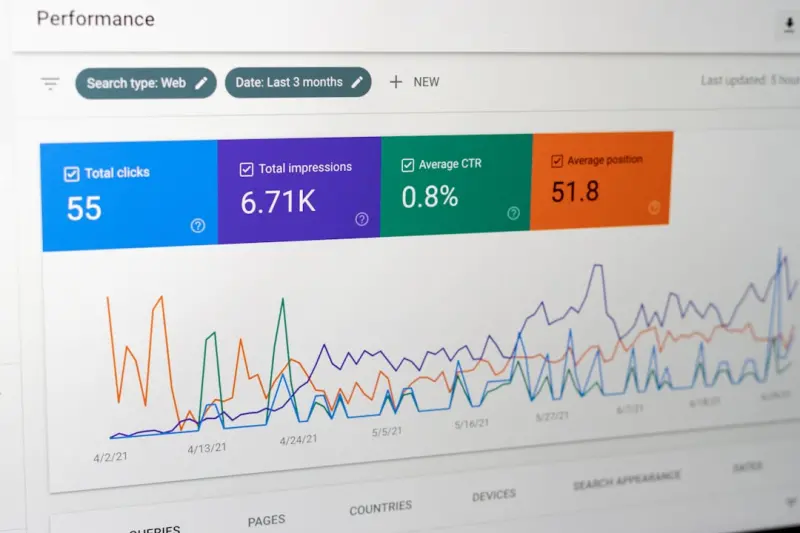
Reading the Heat: How Behavioral Data Supercharges On-Page SEO for SaaS
This post shows SaaS marketers how to use heatmaps, scroll depth, and click‑through data to refine... Read More
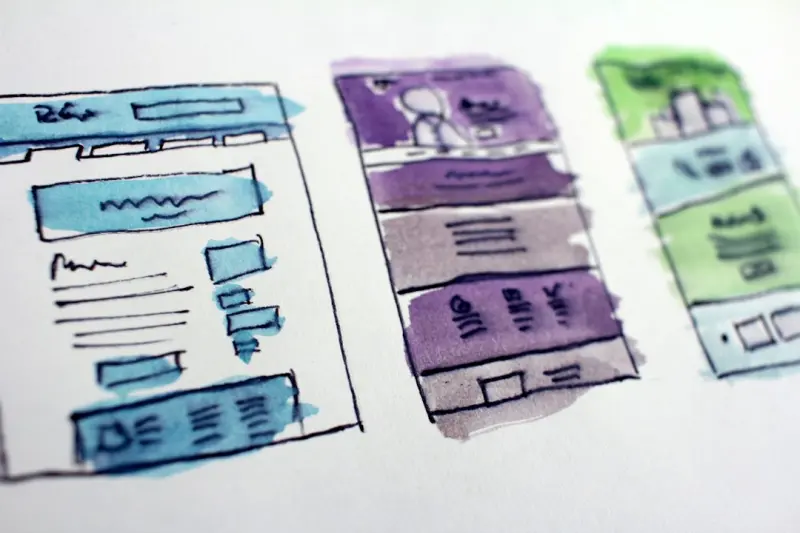
Intent‑First On‑Page SEO: Layout, Interaction, and Performance
Learn how to redesign on‑page SEO with intent‑driven content architecture, interactive micro‑c... Read More

Snippet‑Ready Micro‑Content: Crafting Every Word for Featured Snippets and SERP Real Estate
Discover a fresh on‑page SEO approach that transforms everyday copy into featured snippet gold, us... Read More
Top Posts

Unlock the SEO Power of Facebook Events: A Fresh Playbook for Marketers
Learn to harness Facebook Events for SEO, from crafting keyword‑rich titles to leveraging employee advocacy and semantic clusters for lasting search impact....Read More

Edge‑Driven Technical SEO: Harnessing the Power of the CDN Layer
Learn why the edge network is the new SEO frontier and how to leverage caching, image optimization, and real‑time logs to supercharge crawl efficiency and ran...Read More

Unlocking Google Passage Indexing: A New Frontier for SEO
Explore the power of Google’s passage indexing, a game‑changing feature that lets individual paragraphs rank. Learn practical tactics to rewrite, structure,...Read More
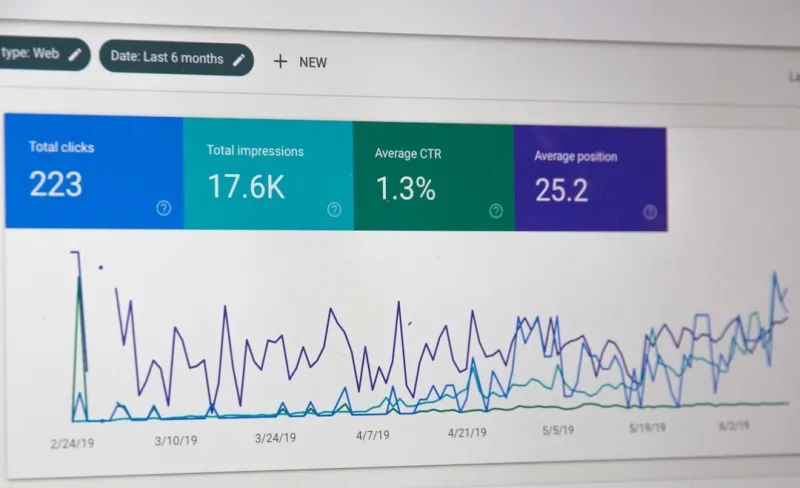
Intent‑First SEO: The Compass That Guides Modern Rankings
Learn how focusing on user intent transforms your SEO strategy, boosts rankings, and future‑proofs your content in a rapidly evolving search landscape....Read More
0 Comments
Post Comment
You will need to Login or Register to comment on this post!