
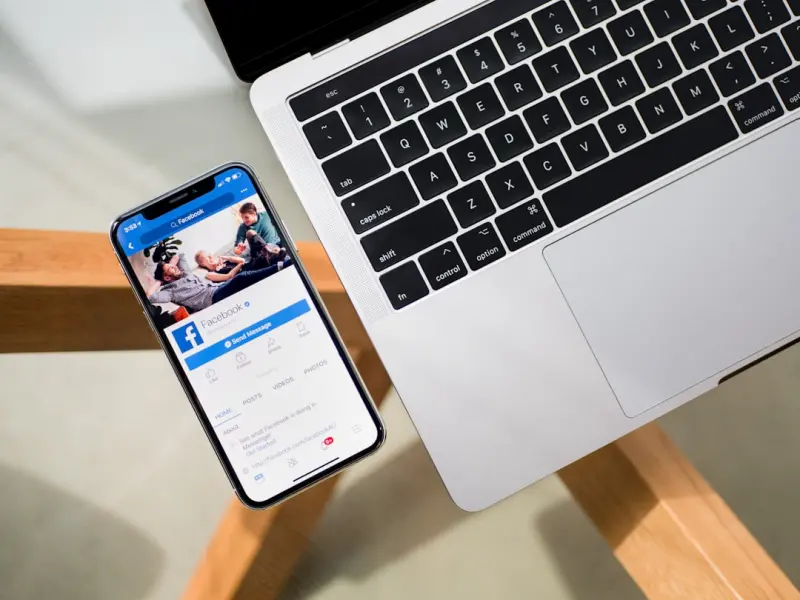
Why Facebook Events Are the Untapped SEO Engine for Brands
When most marketers think about Facebook SEO, they picture page titles and post captions, but the real gold lies in Facebook Events. Each event creates a unique, indexable URL that lives in the social graph and can attract organic traffic from both Facebook search and Google. By treating events as landing pages, you give search engines fresh, context‑rich content that answers a specific user intent.
Crafting Event Titles That Speak Both Humans and Algorithms
The title of your event is the first SEO signal you control, so it must balance keyword relevance with click‑bait appeal. I always start with a primary keyword—like “summer yoga workshop”—and then add a hook such as “free spots” or “limited time”. This twin‑approach satisfies the algorithm’s keyword match while enticing users to RSVP, driving social signals that boost the event’s visibility.
Leveraging employee advocacy tactics to Amplify Event Reach
One of the most effective, yet underused, strategies is to turn your staff into event promoters. When employees share the event on their personal profiles, the post gains credibility and taps into new networks. The resulting backlinks and engagement spikes are interpreted by search engines as trust signals, pushing the event higher in both Facebook and Google results.
Optimizing Event Descriptions with Structured Data
Facebook now supports Open Graph tags that can be embedded in your event page’s URL, feeding rich snippets to search engines. I recommend adding og:type set to “event”, alongside og:title, og:description, and og:image. These tags help Google render a detailed event card, increasing click‑through rates from SERPs and reinforcing the page’s relevance.
Building semantic clustering for Facebook content Around Your Event
Don’t let your event exist in isolation—create a cluster of related posts, videos, and Stories that all link back to the event page. Each piece should target a sub‑topic, such as “what to bring to a yoga class” or “benefits of outdoor workouts”. This cluster signals to search engines a thematic authority, which can boost the event’s ranking for a broader set of queries.
Geo‑Targeting: Making Your Event Visible to Local Audiences
Local SEO is a powerhouse for event promotion. By adding a precise location tag and using city‑specific keywords in the description, you signal relevance to nearby users. Pair this with a short‑term ad boost that targets a radius around the venue, and you’ll see a surge in both Facebook event RSVPs and local search impressions.
Post‑Event SEO: Repurposing Content for Evergreen Gains
The work doesn’t stop once the event concludes. Export the photo album, attendee testimonials, and a summary blog post, then embed the original event URL. This creates a permanent backlink network that continues to funnel authority to the event page, keeping it alive in search results long after the date has passed.
Measuring Success: Metrics That Matter Beyond Likes
Traditional vanity metrics like likes and shares only tell part of the story. Track the event’s URL ranking in Google, the number of inbound backlinks generated, and the organic traffic spikes to related landing pages. By aligning these data points with conversion goals—such as newsletter sign‑ups or product purchases—you can prove the true ROI of Facebook event SEO.
Future‑Proofing Your Strategy with Emerging Facebook Features
Facebook continually rolls out new formats, from Reels to Live Shopping, and each offers an additional avenue to embed event links. Stay ahead by experimenting with short‑form video teasers that include a call‑to‑action linking directly to your event page. As these formats gain algorithmic weight, early adopters will reap the benefits of higher organic reach and stronger SEO signals.

Karen Edwards is a seasoned freelance writer with a passion for all things furry, feathered, and scaled. With a dedicated focus on pets, she brings a wealth of knowledge and a keen eye for detail to her writing.
Related Posts
How to Turn Facebook Groups into a Search Engine Magnet
Learn a fresh approach to Facebook SEO by turning niche group discussions into searchable assets tha... Read More
Unlocking Facebook Page SEO: A Tactical Blueprint for Visibility
Learn how to transform your Facebook Page into a searchable asset with keyword‑rich descriptions, ... Read More
Turning Facebook Groups into SEO Powerhouses for SaaS Brands
Learn a fresh, community‑centric approach to Facebook SEO: build, optimize, and leverage Facebook ... Read More
Top Posts
The Intent‑First Wave Redefining SEO News
A deep dive into the intent‑first revolution shows why aligning content with user purpose is the key to higher rankings and sustainable SEO success....Read More
International On‑Page SEO: Turning Local Markets into Organic Growth Engines
Discover a step‑by‑step playbook for international on‑page SEO that covers local keyword research, hreflang implementation, structured data, and internal ...Read More

Local SEO Playbook: Community‑Driven Ranking Boost
Learn how to dominate local search by mapping micro‑communities, creating hyper‑local content hubs, leveraging community partnerships, and optimizing techni...Read More

Prompt Engineering: The Secret Sauce Behind Smarter Enterprise AI Search
Prompt engineering turns AI search from a black box into a reliable assistant. Learn practical frameworks, metrics, and a 30‑day sprint to build a prompt libr...Read More
0 Comments
Post Comment
You will need to Login or Register to comment on this post!