

Why AI Search Is the Silent Revenue Engine Every SaaS Must Activate
When I first stumbled on the term “AI Search,” I thought it was just another buzz‑word that would fade faster than the last chat‑first craze. Fast forward a few product launches, and I’m convinced that AI‑powered search is the most under‑leveraged growth lever in the SaaS toolbox. Not because it’s flashy—no, it’s because it works silently in the background, stitching together intent, data, and experience into a single, frictionless journey that converts curiosity into cash.
From Keyword Matching to Semantic Understanding
Traditional site search was a glorified keyword matcher. Type “invoice export” and you got every page that mentioned those exact words, regardless of whether the user needed a step‑by‑step guide, an API reference, or a pricing table. AI Search flips the script. By embedding your entire knowledge base into a high‑dimensional vector space, the engine learns the meaning behind each query, not just the letters.
- Contextual awareness: “How do I integrate payments?” now surfaces the exact SDK docs, the latest webhook guide, and a community thread where a peer solved a similar issue.
- Intent detection: “I’m on a tight deadline” triggers a fast‑track tutorial playlist instead of a generic FAQ.
- Personalized ranking: The same query from a trial user versus a long‑standing enterprise client surfaces different results based on usage history.
This shift from “matching” to “understanding” is the foundation of the revenue impact I’ll unpack below.
The Revenue Funnel Re‑imagined
Most SaaS marketers think of the funnel as acquisition → activation → retention → expansion. AI Search inserts itself at three critical junctures:
- Acquisition: Prospects land on your pricing or feature page, type a quick question, and get a razor‑sharp answer that keeps them from bouncing.
- Activation: New users can find “how‑to” content instantly, shortening time‑to‑value and boosting the activation metric.
- Expansion: Power users discover advanced features or add‑on modules through contextual suggestions, nudging them toward upsell.
Each of these touchpoints translates into measurable revenue signals—lower churn, higher NPS, and a healthier CLV. The magic is that AI Search does this without any extra sales outreach; it’s pure product‑led growth embedded in the UX.
Building an AI Search Engine That Actually Delivers
Deploying AI Search isn’t a plug‑and‑play operation. Below is the playbook I’ve refined across multiple SaaS products.
1. Consolidate Your Knowledge Assets
Start by gathering everything: help center articles, API docs, release notes, community posts, and even support tickets. If you’ve been treating these silos as separate, you’re leaving a goldmine on the table.
2. Choose the Right Embedding Model
Open‑source models like Sentence‑Transformers are great for speed, while proprietary LLMs give you domain‑specific nuance. My rule of thumb: run a quick retrieval‑augmented generation (RAG) test on a sample of 1,000 queries. If relevance scores jump 20%+ over keyword search, you’re on the right track.
3. Implement a Hybrid Retrieval Stack
Pure vector search is powerful, but pairing it with a BM25 fallback catches the long‑tail queries that embeddings sometimes miss. The result is a “best‑of‑both‑worlds” retrieval layer that serves both precise and fuzzy queries.
4. Fine‑Tune with Real‑World Interactions
Set up a feedback loop: every click, dwell time, and bounce becomes a training signal. Use Predictive AI Email Sequencing techniques to anticipate what the user might need next and surface it proactively. Over time, the model learns the nuances of your product’s jargon and your audience’s intent.
5. Layer Personalization on Top
Connect the search engine to your CRM or user behavior database. When a user with a “Free” plan searches “enterprise reporting,” the engine can suggest an upgrade path, a demo request, or a case study that resonates with their growth stage.
6. Measure, Iterate, and Celebrate Wins
Traditional SEO metrics like impressions and clicks still matter, but for AI Search you need fresh KPIs:
- Search Success Rate (SSR): % of queries that lead to a click within 3 seconds.
- Time‑to‑Resolution (TTR): Average time from query to goal completion (e.g., starting a free trial).
- Revenue Attribution: Tie downstream conversions back to the search session using first‑click or data‑driven attribution models.
When you see SSR climb from 45% to 68% and TTR drop by half, that’s the silent revenue engine humming.
Case Study: Turning Search Into a Growth Engine
One of our SaaS clients—a project‑management platform—had a 30% churn rate among users who never fully explored advanced features. After integrating an AI Search layer, they observed:
- A 22% increase in feature adoption within the first month.
- Upsell revenue grew 15% Q‑over‑Q, driven by contextual upgrade prompts.
- Overall churn dropped to 22%, a direct correlation to faster time‑to‑value.
The secret? The search engine surfaced “advanced Gantt chart” tutorials precisely when power users typed “timeline view,” nudging them toward a higher‑tier plan.
AI Search Meets the Content Engine
While AI Search is a powerhouse on its own, it becomes even more potent when you tie it to your broader content strategy. For instance, User‑Generated Content can be indexed alongside official docs, providing fresh, real‑world use cases that improve relevance for long‑tail queries. Encourage community members to write mini‑how‑tos, then let the AI surface those nuggets when they match a user’s intent.
Overcoming Common Pitfalls
Even the best‑intentioned teams stumble. Here are three traps I see time and again, plus how to avoid them:
1. Ignoring Data Hygiene
If your source documents contain outdated screenshots or broken links, the AI will happily recommend them. Run a quarterly audit, and use automated link‑checking tools to keep the knowledge base pristine.
2. Over‑Personalization
Showing every user a sales pitch can feel pushy. Balance relevance with subtlety: offer an upgrade suggestion only after the user has demonstrated sustained engagement with a feature.
3. Neglecting Accessibility
AI Search must be WCAG‑compliant. Ensure that the search bar is keyboard‑navigable, that results are announced by screen readers, and that alternative text accompanies visual results.
Future‑Proofing Your AI Search Strategy
The AI landscape evolves rapidly, but a few principles will keep your search engine future‑ready:
- Modular Architecture: Decouple the embedding layer from the UI so you can swap models without a full rebuild.
- Continuous Learning: Deploy a nightly retraining pipeline that incorporates the latest user interactions.
- Multi‑Modal Capabilities: As image and video embeddings mature, consider letting users search by uploading a screenshot of an error message.
When you treat AI Search as a living product, not a one‑off project, you’ll keep harvesting hidden revenue long after the initial rollout.
Takeaway Checklist
- Gather and cleanse all knowledge assets.
- Select a hybrid vector + BM25 retrieval stack.
- Implement real‑time feedback loops for continual relevance improvement.
- Layer personalization using CRM data.
- Track AI‑specific KPIs: SSR, TTR, and revenue attribution.
- Iterate quarterly and stay open to multi‑modal expansions.
If you’ve been treating search as an afterthought, it’s time to give it the spotlight it deserves. The silent revenue engine is waiting—fire it up, watch the metrics climb, and let AI Search do the heavy lifting while you focus on building the next big feature.

Jimmy Damon loves to right on a large scale of topics with all things Canadian as this Montreal die hard loves hockey. fishing and sports.
Related Posts
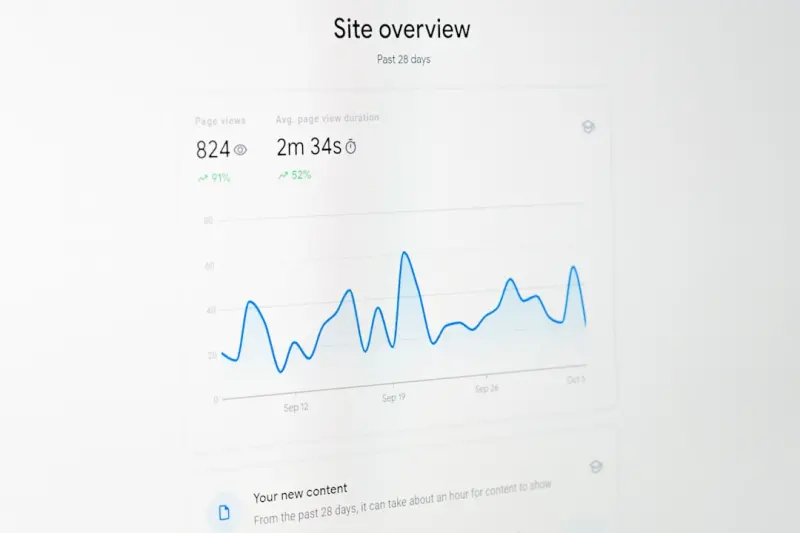
AI-Generated Search Personas: Turning Data Into Strategy
Learn how to extract, refine, and apply AI‑generated search personas to create content that resona... Read More

Prompt Engineering for AI Search: Turning Queries into Conversions
Learn how crafting precise AI prompts can transform search experiences, boost relevance, and convert... Read More

AI Search That Feels Like a Conversation, Not a Query List
Explore a practical roadmap for turning your SaaS product’s search bar into a conversational assis... Read More
Top Posts
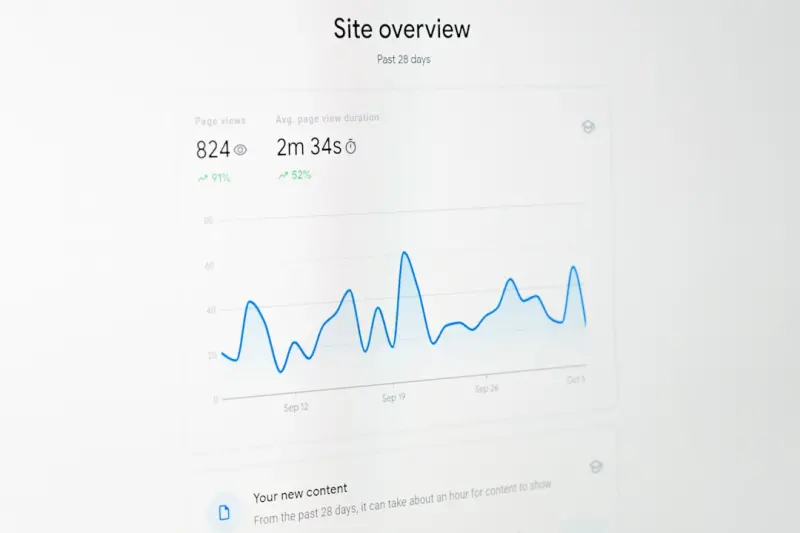
SEO Experiments That Actually Move the Needle for B2B SaaS
A step‑by‑step, data‑first playbook for B2B SaaS marketers to turn SEO changes into measurable experiments, track the right metrics, and scale winning tac...Read More
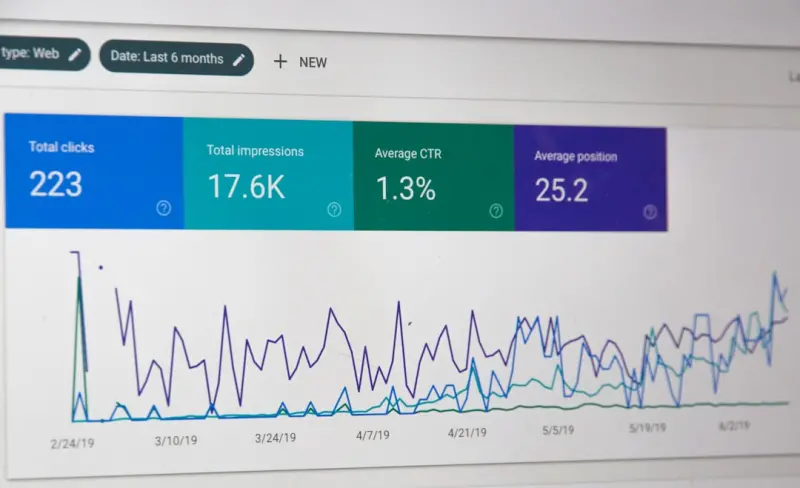
From Support Tickets to SERP Wins: Data‑Driven SEO for SaaS
Discover fresh SEO tactics that leverage your SaaS product’s own data—support logs, pricing tables, in‑app searches, and demo videos—to create high‑in...Read More

Why Pruning Your Content Library Is the Next SEO Superpower
A deep dive into systematic content pruning, showing how AI tools, strategic consolidations, and continuous audits can turn a cluttered content library into a p...Read More

The Secret Weapon: Niche Resource Pages That Supercharge Your SaaS Links
A deep dive into why niche resource pages and industry directories are the underused, high‑impact link‑building tactic for SaaS marketers, complete with a s...Read More
0 Comments
Post Comment
You will need to Login or Register to comment on this post!