

When most marketers think about “SEO,” the first thing that comes to mind is Google. But Facebook has quietly evolved into a massive, searchable ecosystem of its own, and for SaaS companies, ignoring it is like leaving a whole segment of potential customers on the table. In this post I’m pulling back the curtain on Facebook’s internal search engine, sharing the exact tactics I’ve used to get my own SaaS pages to rank, and explaining how to turn Facebook discovery into a steady pipeline of qualified leads.
The Anatomy of Facebook Search
Facebook’s search bar isn’t just a convenience feature—it’s a sophisticated ranking system that sifts through billions of pieces of content to surface the most relevant results for a user’s query. While the exact algorithm is a closely guarded secret, we know a few key signals that drive rankings:
- Relevance of keywords in page names, usernames, and post copy.
- Engagement metrics such as likes, comments, shares, and watch time for videos.
- Authority signals like the completeness of the Page’s “About” section, verified badges, and the number of followers.
- Recency – newer posts often get a boost for time‑sensitive queries.
- Cross‑platform signals – links from Instagram, Messenger, and even external sites that point back to your Facebook Page can reinforce relevance.
Understanding these levers is the first step. Once you know what Facebook values, you can start to optimize your SaaS presence for both internal discovery and external indexing.
1. Nail the Foundations: Page Name, Username, and Category
Think of your Facebook Page as a mini‑website. The Page name and username (URL) are the most prominent on‑page SEO elements. For SaaS, a good practice is to include a primary keyword that aligns with how prospects might search. For example, if you sell a project‑management tool for remote teams, a Page name like “RemoteProject Pro – SaaS Project Management” and a username RemoteProjectPro give Facebook a clear signal about relevance.
Don’t forget the Category field. Facebook offers a range of industry‑specific categories; choose the one that most accurately describes your product. Selecting “Software Company” or “Project Management Software” helps the platform index you under the correct vertical, improving visibility for niche queries.
2. Optimize the “About” Section for Keywords and Authority
The “About” section is a treasure trove for keyword placement. While you should avoid keyword stuffing, naturally integrating your core terms (e.g., “remote collaboration,” “time‑tracking SaaS”) can boost relevance. Include a concise, benefit‑focused description, a link to your landing page, and any relevant certifications or awards.
Adding a verified badge (by completing the verification process) signals trust to both Facebook’s algorithm and users. If your brand is already verified on other platforms (e.g., Twitter), leverage those identities to streamline the process.
3. Leverage Structured Content: Instant Articles & Video
Facebook’s own content formats—Instant Articles, Reels, and Live—receive preferential treatment in search. Instant Articles load faster and keep users on the platform longer, which translates into higher engagement scores. For SaaS, consider turning high‑performing blog posts into Instant Articles, embedding clear CTAs that guide readers back to your website.
Video content, especially short‑form Reels and longer Live sessions, can dominate Facebook search results for “how‑to” and “demo” queries. Make sure every video includes:
- Keyword‑rich titles and descriptions.
- Closed captions (improves accessibility and adds text for the algorithm to crawl).
- Relevant hashtags (limit to 3–5 to avoid dilution).
4. The Power of Hashtags—But Use Them Wisely
Hashtags act like micro‑categories within Facebook’s search ecosystem. They help surface content to users who aren’t directly searching for your brand but are interested in a topic you cover. For SaaS, create a branded hashtag (e.g., #RemoteProjectTips) and pair it with a few industry hashtags (#ProjectManagement, #RemoteWork). Consistency is key—use the same set of hashtags across posts to build a recognizable content cluster.
5. Craft Search‑Friendly Post Copy
Just as you would write a meta description for a web page, think of your post copy as a snippet that appears in Facebook search results. The first 125 characters are especially important because they’re often displayed in the search preview. Begin with a clear, keyword‑focused sentence that answers the user’s intent.
Example:
“Looking for a secure, cloud‑based project tracker for remote teams? Discover how RemoteProject Pro simplifies task management and boosts productivity.”
Follow up with a concise value proposition, a visual, and a call‑to‑action. Remember that higher engagement (likes, comments, shares) signals relevance, so ask questions or invite users to share their experiences.
6. Harness the Community Effect: Groups and Events
Facebook Groups have their own search index, separate from Pages. Creating a niche group centered around your SaaS vertical (e.g., “Remote Project Managers”) can generate a highly targeted community. Optimize the Group’s name and description with core keywords, and regularly post valuable content—case studies, how‑to guides, industry news—to keep the community active.
Events, especially webinars or product demos, also appear in search. When you create an Event, fill out every field: title, description, location (even if virtual), and tags. Promote the Event both on your Page and in relevant Groups to amplify reach.
7. Cross‑Platform Signals: Instagram & Messenger
Facebook’s algorithm takes into account signals from its sister platforms. Sharing the same content on Instagram (using the same hashtags) and linking back to your Facebook Page can reinforce relevance. Additionally, integrating a Messenger chatbot that guides visitors to relevant resources can increase dwell time—a positive ranking factor.
8. External Indexing: Getting Your Page on Google
While this post focuses on internal Facebook SEO, don’t forget the external dimension. Google frequently indexes public Facebook Pages, especially those with a high follower count and rich content. To maximize this:
- Enable “Page visibility” to “Public.”
- Use Open Graph tags on your website to control how Facebook previews appear when your URLs are shared—this also improves click‑through rates from Google search results.
- Publish evergreen content (blog posts, case studies) on your Page, which Google can crawl and rank.
For deeper technical guidance on improving crawl efficiency, check out our indexing strategies article.
9. Measure, Iterate, and Scale
Every SEO effort needs a feedback loop. Facebook provides several analytics tools to track performance:
- Page Insights – monitors reach, engagement, and follower growth.
- Video Metrics – watch time, average view duration, and replays.
- Group Insights – post reach and member activity.
- Ads Manager – if you’re running paid campaigns, you can see how organic and paid performance intersect.
Set clear KPIs—such as “organic reach from Facebook search” or “lead conversion rate from Group posts”—and review them weekly. Use A/B testing on post copy, visuals, and hashtags to identify what drives the most engagement.
10. Advanced Tactics: AI‑Driven Content Recommendations
Facebook’s AI engine constantly surfaces content it deems “relevant” based on user behavior. By feeding the algorithm high‑quality signals, you can nudge it to recommend your content more often. One way is to repurpose high‑performing blog posts into carousel ads that appear in the News Feed, then monitor how those pieces rank in internal search.
Another emerging tactic is to leverage the insights from our AI‑driven search insights piece. Use AI tools to analyze the language patterns in top‑ranking Facebook posts within your niche, then mirror that tone and terminology in your own copy.
Putting It All Together: A 30‑Day Action Plan
- Week 1 – Foundations
- Audit your Page name, username, and category; adjust to include primary keyword.
- Complete the “About” section with keyword‑rich copy and a verification badge.
- Set up Instant Articles for your top three evergreen blog posts.
- Week 2 – Content Ramp‑Up
- Publish a series of three Reels covering quick product demos; add captions and hashtags.
- Create a branded Group; write a keyword‑optimized description and invite existing followers.
- Post a detailed carousel (image + copy) that answers a common pain point, ending with a CTA to your website.
- Week 3 – Community & Cross‑Platform
- Host a Live Q&A session; promote it in the Group and on Instagram Stories.
- Launch a Messenger chatbot that offers a downloadable guide in exchange for an email.
- Cross‑post the Reel to Instagram, using the same hashtags.
- Week 4 – Analyze & Optimize
- Review Page Insights for search‑driven traffic; identify top‑performing posts.
- Run A/B tests on post headlines and thumbnail images.
- Adjust keyword placement based on AI‑driven insights from the hidden edge analysis.
At the end of the month, you should see measurable improvements in Facebook search visibility, higher engagement rates, and an uptick in qualified leads flowing into your CRM.
Final Thoughts
Facebook may not have the same brand equity as Google in the SEO world, but its internal search engine is a powerful, under‑utilized channel—especially for SaaS businesses that thrive on community, demos, and thought leadership. By treating your Facebook Page as a searchable asset, optimizing every on‑page element, and leveraging the platform’s native content formats, you can capture demand that would otherwise slip through the cracks. The result? A richer, more diversified funnel that feeds your growth engine from both inside and outside the platform.

Mei Chen is a dynamic professional who brings a unique blend of skills to Mighty Directory. As a key contributor to the Mighty Directory platform, she leverages her writing expertise to create engaging content that resonates with our audience.
Related Posts
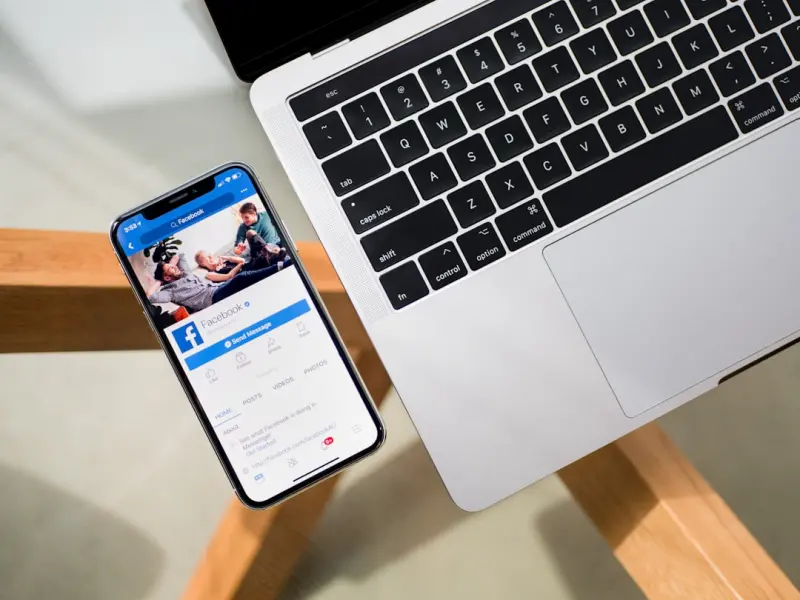
Unlock the SEO Power of Facebook Events: A Fresh Playbook for Marketers
Learn to harness Facebook Events for SEO, from crafting keyword‑rich titles to leveraging employee... Read More

How to Turn Facebook Live Streams into Evergreen SEO Powerhouses
Learn how to leverage Facebook Live broadcasts as permanent SEO assets, using keyword‑rich titles,... Read More

How Facebook Groups Can Supercharge Your Search Rankings
Learn the step‑by‑step strategy to leverage Facebook Groups for SEO, from structuring discussion... Read More
Top Posts

How Generative AI Is Rewriting the SaaS SEO Playbook
Generative AI is changing the way SaaS marketers approach SEO—from prompt‑driven keyword research to AI‑assisted content drafts, schema markup, and multil...Read More

Zero‑Click Search Optimization: Turning SERP Visibility into Conversions
Learn how zero‑click search reshapes SEO and get a step‑by‑step roadmap to capture SERP visibility, drive micro‑conversions, and stay ahead of AI‑driv...Read More
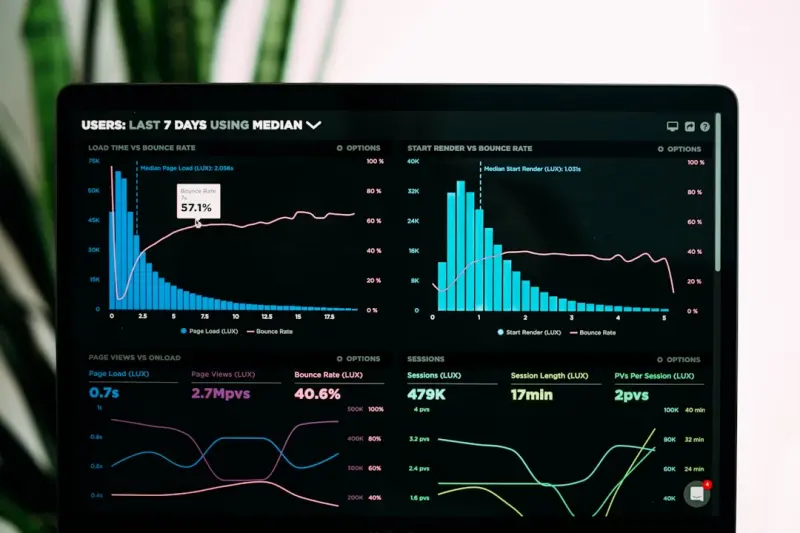
The Untapped Power of Structured Data for eCommerce SEO
Learn why structured data is the hidden driver of eCommerce SEO success, how to implement it step‑by‑step, and which advanced tactics can turn rich snippets...Read More

Riding the Wave of Google’s AI‑Powered Algorithm Shifts: A SaaS Playbook
Google’s algorithm now runs on advanced AI models, demanding SaaS marketers shift from keyword tricks to semantic depth, structured data, and real‑world uti...Read More
0 Comments
Post Comment
You will need to Login or Register to comment on this post!