

Why Crawl Budget Isn’t Just a Technical Detail Anymore
When I first started optimizing SaaS sites, crawl budget was the kind of jargon that lived in the dark corners of technical SEO forums. It was something you “tuned” if you had the luxury of spare server time. Fast‑forward a few releases, and now Google’s bots are the gatekeepers of your product’s visibility. If they can’t find your latest feature page, your marketing team can shout all they want—searchers won’t see it.
The New Reality: Indexing Speed as a Competitive Weapon
SaaS businesses move at lightning speed. New integrations, pricing tiers, or compliance pages appear almost weekly. In that cadence, a delayed crawl can mean missed acquisition opportunities, stale data in SERPs, and a brand that feels out‑of‑sync with its own product roadmap.
Think of crawl budget as the fuel gauge for your site’s search engine visibility. When the gauge reads low, you’re essentially telling Google, “I’ve got more to show, but you’re stuck at the pump.”
Three Pillars of Crawl Budget Mastery
Getting Google to crawl and index more of your SaaS site isn’t about a single hack. It’s a coordinated effort across three pillars: Signal Hygiene, Content Prioritization, and Infrastructure Alignment. Let’s break each down.
1. Signal Hygiene – Clean Up the Noise
Google’s bots are efficient, but they’re also economical. They’ll spend their crawl budget where they see the most value. If your site is littered with low‑value pages, duplicate parameters, or endless pagination, you’re diluting the signal.
- Canonicalization is king. Every variant of a page (e.g., ?utm_source=mail, ?ref=partner) should point to a single canonical URL. This tells Google which version to index and saves budget.
- Robots.txt and meta robots tags. Block admin panels, staging environments, and internal search results. The fewer dead ends, the more budget you free up for real content.
- Sitemap accuracy. Keep your XML sitemap lean—only URLs you truly want indexed. Update it whenever you add or retire major sections.
2. Content Prioritization – Feed the Bot What Matters
Not every page on your SaaS site needs the same crawl frequency. High‑impact pages—pricing, feature comparisons, case studies—should be refreshed often, while static legal pages can be crawled less frequently.
Use change frequency signals in your sitemap (e.g., daily, weekly) to guide Google. Pair that with structured data (FAQ, HowTo, Product schema) to make the content more digestible for the bot and more likely to surface in rich results.
For a deep dive on using structured data to amplify visibility, check out our guide on Layered On‑Page SEO. It walks you through building a hierarchy that naturally tells search engines which pages deserve top priority.
3. Infrastructure Alignment – Make the Bot’s Journey Smooth
Technical architecture can be a hidden bottleneck. Slow server response, redirect chains, and fragmented hosting environments waste precious crawl cycles.
- Leverage HTTP/2 and HTTP/3. These protocols reduce round‑trip times, allowing bots to fetch more resources per connection.
- Cache control. Set appropriate
Cache‑Controlheaders so that unchanged assets aren’t re‑downloaded on each crawl. - Edge delivery. A CDN that serves static assets from the edge not only speeds up user experience but also reduces the load on your origin, freeing up bandwidth for the crawler.
If you’re already experimenting with edge architectures, you might have read about Serverless SEO. The principles overlap: both aim to align your site’s delivery with how search engines consume content.
Practical Steps to Boost Your Crawl Budget Today
Below is a checklist you can start implementing this week. Each item is designed to either reduce waste or increase perceived value in the eyes of Google’s crawlers.
- Audit your robots.txt. Ensure you’re not accidentally blocking essential resources (JS, CSS) that Google needs to render your pages.
- Consolidate parameter URLs. Use URL parameter handling in Google Search Console to tell Google which parameters are irrelevant for indexing.
- Implement a tiered sitemap. Create separate sitemaps for high‑value pages (product, pricing) and low‑value pages (support docs). Submit them via Search Console.
- Add
lastmodtimestamps. Accurate timestamps signal to Google that a page has changed, prompting a recrawl. - Reduce redirect chains. Aim for a maximum of one redirect per URL. Use 301s for permanent moves and avoid 302s unless truly temporary.
- Enable gzip or brotli compression. Smaller payloads mean faster fetches, meaning more pages per crawl budget.
- Monitor crawl stats. In Search Console’s Crawl Stats report, watch for spikes in “Crawl anomalies” and address them quickly.
- Prioritize internal linking. A strong internal link structure spreads link equity and signals importance to crawlers.
How Crawl Budget Intersects With AI‑Enhanced SERPs
Google’s AI layers (like answer boxes and conversational snippets) now pull data directly from indexed content. If your pages aren’t indexed promptly, you miss out on these high‑visibility placements. Think of it as a two‑step dance: first, get the bot in the door; second, give it something compelling to showcase.
Our recent exploration of AI‑Driven Answer Boxes showed that well‑structured content can appear in “instant answers,” driving traffic without a click. But those answer boxes only surface from fresh, crawled content. A lagging crawl budget means you’re essentially hiding from the AI spotlight.
Measuring Success: Metrics That Matter
Once you implement the above changes, you’ll want to track impact. Here are the key KPIs:
- Indexed pages count. A steady rise indicates Google is discovering more of your site.
- Average time between crawls. Shorter intervals on priority pages signal improved budget allocation.
- Search impressions for new content. Use Search Console to see if fresh pages start appearing in SERPs sooner.
- Organic traffic velocity. A spike shortly after a major product release often correlates with faster indexing.
Future‑Proofing: Preparing for an Ever‑Evolving Crawl Landscape
Google isn’t static. With the rise of AI‑generated content, visual search, and real‑time indexing, the crawl budget calculus will keep shifting. Here’s how to stay ahead:
- Adopt a “crawl‑first” mindset. Treat every new landing page as if it needs to be indexed within 24‑48 hours.
- Automate sitemap updates. Use CI/CD pipelines to regenerate XML sitemaps on every deployment.
- Leverage predictive analytics. Model the relationship between page updates and crawl frequency to anticipate budget needs.
- Stay on top of Google’s guidelines. As the search engine rolls out new signals (e.g., freshness ranking boosts), adjust your crawl strategy accordingly.
Wrapping Up: From Technical Detail to Growth Lever
Crawl budget used to be a niche concern for SEO engineers. Today it’s a growth lever that can shave weeks off your time‑to‑visibility for new SaaS features. By cleaning up signals, prioritizing high‑impact content, and aligning your infrastructure, you give Google the roadmap it needs to index you faster—and you give your sales team the fresh pages they need to convert.
Remember, the goal isn’t just “more crawling.” It’s “more intelligent crawling.” When the bots understand what matters most, they’ll spend their limited budget where it counts, and your SaaS brand will reap the visibility rewards.

Kris Kennel is a Paralegal outside of Austin, Texas where he spends most of his time helping users with legal matters that concern them. When he is not working he enjoys time with his wife and kids.
Related Posts

Conversational Search is Here: Re‑thinking SaaS SEO for AI Assistants
A deep dive into conversational SEO for SaaS, offering a step‑by‑step framework, schema markup g... Read More

Structured Data Strategies to Boost SaaS SEO
Learn why structured data is essential for modern SaaS SEO, how to choose the right schema, and step... Read More

Semantic SEO: Building Entity Authority for SaaS Brands
Semantic SEO shifts the focus from keywords to meaning, helping SaaS brands map core entities, use s... Read More
Top Posts
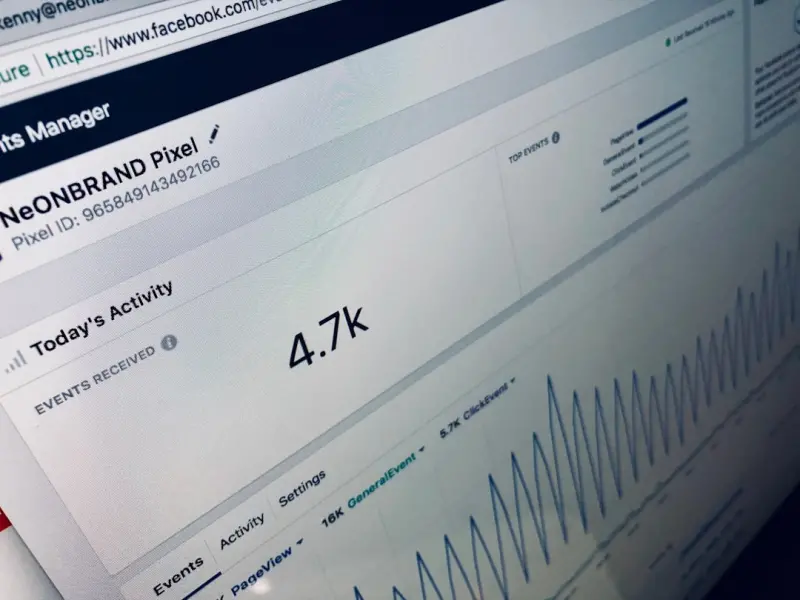
Unlocking Facebook’s Hidden SEO Potential: A Tactical Playbook for Marketers
Learn how to leverage Facebook metadata, groups, and engagement metrics to amplify your site’s search visibility and drive sustainable organic traffic....Read More

Technical SEO for Single‑Page Applications: A Modern Playbook
A practical guide to mastering technical SEO for single‑page applications, covering rendering strategies, internal linking, structured data, and performance m...Read More

Privacy‑First SEO: Thriving in a Cookieless Future
Explore the shift to privacy‑first SEO, with actionable tips on contextual keywords, first‑party data, and secure technical signals to thrive without thirdâ...Read More

How SaaS Companies Can Tame Their Crawl Budget and Unlock Hidden Rankings
Discover how SaaS sites can manage crawl budget by auditing server logs, cleaning up URL parameters, optimizing JavaScript rendering, and leveraging structured ...Read More
0 Comments
Post Comment
You will need to Login or Register to comment on this post!