

Beyond the Click: AI‑Driven Answer Boxes and the New SEO Battlefield for SaaS
When I first started tinkering with search engine results, the classic blue link felt like the ultimate prize. Rank high, get clicks, close deals. Fast forward a few years, and the SERP has morphed into a bustling marketplace of answer boxes, knowledge panels, and instant‑info widgets. For SaaS companies, this evolution isn’t just a curiosity—it’s a survival imperative.
The Zero‑Click Surge Is Real
Google’s public data shows that over 50% of all searches now end without a click. Users are getting the information they need directly on the results page, thanks to AI‑enhanced snippets and answer engines. While the numbers are staggering, the underlying driver is simple: people want answers, not portals. For SaaS marketers, that means the old mantra of “optimise for clicks” is outdated. The new mantra is “optimise for presence”.
Why Answer Boxes Matter More Than Ever for SaaS
In B2B software, decision cycles are longer, and the stakes are higher. Prospects often start with a quick query like “what is churn prediction software?” or “how does API rate limiting work?”. If Google can surface a concise, authoritative answer right away, the user may never click through to a competitor’s landing page. That’s why securing an answer box is not just a vanity metric—it’s a direct line to the top of the buyer’s mind.
Three Pillars of Answer‑Box Dominance
- Semantic Depth: Your content must speak the language of the query, not just the language of the page. This means answering the who, what, why, when, where, and how within a single paragraph, supported by structured data.
- Structured Data Mastery: Schema.org isn’t a “nice‑to‑have” anymore; it’s the scaffolding that tells Google how to pull your content into an answer box. From
FAQPagetoSoftwareApplicationschemas, each type adds a layer of intent clarity. - Authority Signals: Trustworthiness, backlinks, and brand mentions still matter. AI models weigh these signals heavily when deciding whose content gets the coveted spot.
Getting Started: A Pragmatic Roadmap
Below is a step‑by‑step framework that I’ve used with multiple SaaS clients to move from “no presence” to “answer‑box authority”. The approach is deliberately non‑technical at first, because you need stakeholder buy‑in before you dive into schema markup.
1. Audit Your Core Queries
Begin by compiling a list of the top 20 questions your target audience asks in the early research phase. Tools like AnswerThePublic, SEMrush’s Keyword Magic, and even your own sales team’s FAQ logs are gold mines. Prioritise questions that:
- Have a clear, factual answer (e.g., “What is a webhook?”)
- Align with a product feature you control (e.g., “How does multi‑tenant architecture improve security?”)
- Show search volume and low competition for answer‑box placement.
2. Craft “Answer‑Ready” Content
For each query, write a concise paragraph (40‑60 words) that directly answers the question. Follow it with a brief, 2‑sentence expansion that adds context or a real‑world example. Keep the language natural—Google’s AI models favour human‑like phrasing over keyword stuffing.
3. Deploy Structured Data
Implement the appropriate schema markup for each answer. For definition‑type queries, use FAQPage or Question/Answer. For product‑specific queries, embed SoftwareApplication with properties like operatingSystem, offers, and applicationCategory. Remember to validate using Google’s Rich Results Test.
4. Reinforce with Internal Linking
Link the short answer to a deeper, evergreen resource on your site. This not only improves crawl efficiency but also signals to Google that your answer is part of a larger, authoritative content hub. For example, a succinct answer about “API rate limiting” can link to a comprehensive guide on API performance optimisation.
5. Track, Iterate, and Scale
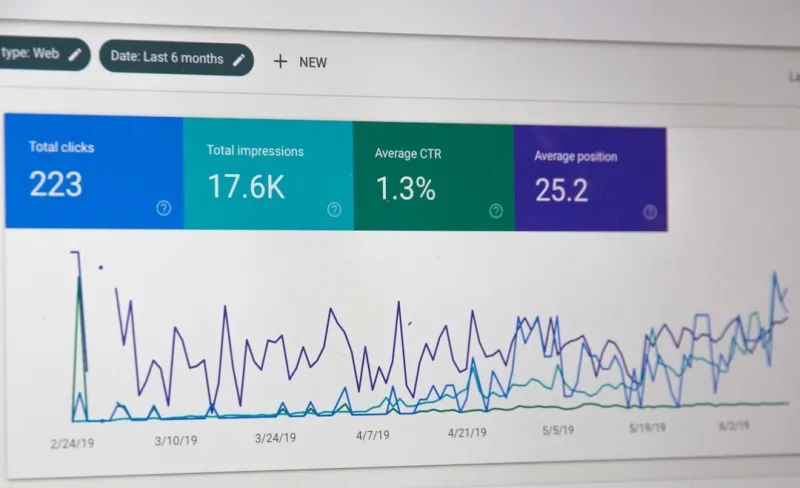
Set up custom dashboards in Google Search Console to monitor “Featured Snippets” impressions and clicks. If you see a query gaining traction but not yet winning the box, double‑down on that content: add more examples, update data, or enrich the schema. Over time, you’ll develop a feedback loop that keeps your answer‑box portfolio fresh and expanding.
Case Study: From Zero to Three Answer Boxes in Six Months
One of our SaaS clients—a subscription‑billing platform—had virtually no presence in Google’s answer‑box ecosystem. We applied the roadmap above and focused on three high‑intent queries:
- “What is subscription churn?”
- “How does dunning management work?”
- “What are the benefits of automated invoicing?”
Within three months, the “What is subscription churn?” query earned a definition box, while “How does dunning management work?” appeared in a FAQ rich result. By month six, the automated invoicing query secured a knowledge panel entry, thanks to a robust SoftwareApplication markup. The combined effect was a 27% lift in organic impressions for those keywords and a measurable uptick in qualified leads.
Common Pitfalls (And How to Avoid Them)
- Over‑Optimising for One Format: Google can flip a snippet from a paragraph to a table or list at any time. Keep your content flexible.
- Neglecting Mobile‑First Indexing: Answer boxes are served to mobile users first. Ensure your markup is mobile‑friendly and loads quickly.
- Ignoring User Intent Evolution: Queries evolve. A question that once required a simple definition may later demand a comparative analysis. Regularly revisit your query list.
The Role of AI‑Generated Content in Answer Boxes
AI content generators have become mainstream, and Google’s own models now influence SERP displays. While AI can accelerate content creation, it also raises quality concerns. My advice: use AI as a drafting tool, not a publishing engine. Human review ensures factual accuracy—critical for answer boxes, where misinformation can be penalised harshly.
Integrating Answer‑Box Strategy With Existing SEO Playbooks
If you’ve already invested in layered on‑page SEO or have a robust Core Web Vitals plan, the answer‑box roadmap slots neatly into those frameworks. Think of it as an additional “layer” that sits atop your existing content scaffold, pulling in structured data and concise answers to feed Google’s AI.
Future‑Proofing: What’s Next for AI‑Powered SERPs?
Google’s roadmap hints at even deeper integration of generative AI, where entire answer narratives could be stitched together from multiple sources. For SaaS, that means you’ll need:
- Cross‑Content Consistency: Ensure that facts and figures match across blogs, whitepapers, and product docs.
- Real‑Time Data Feeds: For metrics that change daily (e.g., pricing tiers), consider APIs that feed structured data directly into schema markup.
- Brand‑Level Knowledge Graphs: Claim your company’s entity in Google’s Knowledge Graph to influence how AI surfaces your brand in answer contexts.
Takeaway Checklist
- Identify top‑of‑funnel queries that lend themselves to concise answers.
- Write answer‑ready paragraphs with natural language.
- Implement the right schema markup and validate it.
- Link each answer to a deeper resource for context and authority.
- Monitor performance in Search Console and iterate quickly.
- Blend AI assistance with human oversight to maintain quality.
Zero‑click search isn’t a passing fad—it’s a structural shift in how users discover information. By proactively staking a claim in answer boxes, SaaS brands can capture mindshare before a click even occurs. The result? More visibility, higher trust, and a pipeline that’s fed by “answers” rather than “ads”.

Tom Ferguson is a Canadian freelance writer with a passion for storytelling, current events, and thoughtful commentary. Drawing on years of writing experience, he shares engaging insights on a wide range of topics, bringing a uniquely Canadian perspective to his work.
Related Posts

AI‑Powered SEO: From Prompt to Performance
Discover a hybrid approach that blends AI‑generated drafts with human expertise, leverages IndexNo... Read More

Why Multimodal Search Is Redefining SEO Strategy
Multimodal search—combining voice, visual, and video queries—is changing the SEO landscape. This... Read More

Turning Your SaaS Help Center into an SEO Engine
A knowledge base isn’t just for support—it’s a powerful SEO asset. Discover how to map user in... Read More
Top Posts

The Intent‑First SEO Playbook: How to Ride the Google Wave Today
Learn why Intent‑First SEO is the new norm, how to turn theory into real rankings, and actionable steps to future‑proof your Google traffic....Read More
Intent‑First SEO: The Compass That Guides Modern Rankings
Learn how focusing on user intent transforms your SEO strategy, boosts rankings, and future‑proofs your content in a rapidly evolving search landscape....Read More

Account‑Based Search: Aligning Paid Search with ABM for B2B Growth
Discover a fresh approach to SEM that focuses on high‑value accounts, blends personalized ad creative with intent data, and aligns marketing spend directly wi...Read More

Beyond the Feed: How Short-Form Video is Redefining B2B Digital Marketing
Short‑form video is reshaping B2B digital marketing. This guide walks you through the why, the how, and the measurable impact of bite‑size video content on ...Read More
0 Comments
Post Comment
You will need to Login or Register to comment on this post!