

When most marketers think about Facebook, they picture ads, groups, or the occasional viral post. What they often overlook is the silent, SEO‑friendly engine humming behind a well‑optimized Facebook Page. This isn’t about the same tricks you use for a personal profile or a community group—it’s a strategic blend of technical tweaks, content discipline, and cross‑platform synergy that can push your brand’s presence into Google’s SERPs and even improve on‑platform discoverability.
Why Facebook Pages Matter for Search Engines
Google’s algorithm has grown adept at crawling and indexing social platforms. A Facebook Page that follows a few best‑practice guidelines can appear in local packs, knowledge panels, and even rank for branded queries. This matters for SaaS companies because prospects often begin their research journey on social media before they even hit a search engine. When your Page surfaces in those early moments, you capture attention, credibility, and a valuable backlink footprint—all without spending a dime on ads.
1. Nail the Page Structure: Name, Username, and URL
The simplest, most impactful step is to ensure consistency across your brand’s digital identity:
- Page Name – Use your official company name, not a slogan or tagline. This signals to Google that the Page is the authoritative source.
- Username (/@handle) – Choose a clean, short handle that matches your domain as closely as possible. A consistent handle boosts brand recall and makes it easier for users to tag you.
- Vanity URL – Once you claim a username, Facebook auto‑generates a vanity URL (facebook.com/yourhandle). Share it everywhere: email signatures, press releases, and on‑page SEO elements.
When these three elements align, you create a “brand fingerprint” that search engines love.
2. Master the About Section with Structured Data in Mind
The About section is a goldmine for both users and crawlers. Fill out every field—address, phone number, business hours, and especially the category. For SaaS brands, “Software Company” or “Technology Company” are the most accurate choices. Adding a mission statement that naturally includes target keywords (e.g., “cloud‑based project management”) can help Google associate those terms with your brand.
Don’t forget to embed your crawling efficiency mindset here: the more complete the data, the less effort Google needs to understand and index your page.
3. Leverage Open Graph and Twitter Cards for Rich Snippets
Open Graph (OG) tags aren’t just for controlling how your content looks when shared—they also feed data into Google’s Knowledge Graph. While you can’t edit OG tags directly on a Facebook Page, you can influence them through the content you publish:
- Featured Image – Use a high‑resolution, properly sized image (1200 × 630 px) for every post. This becomes the OG image Google may display in search results.
- Title and Description – Craft concise, keyword‑rich titles and meta‑like descriptions for each post. Think of each update as a mini‑landing page.
When you pair these with well‑written blog posts or case studies, the OG data can surface as rich snippets, boosting click‑through rates.
4. Content Pillars That Double as SEO Assets
Rather than treating your Facebook feed as a separate content silo, use it to amplify your core SEO pillars. Here’s how:
- Evergreen Guides – Repurpose sections of your flagship whitepaper into bite‑sized carousel posts, each linking back to the full asset on your website.
- Customer Success Stories – Share short video testimonials, then pin them to the “Featured” section. Google often indexes these videos, creating additional entry points for brand‑related queries.
- Industry News Commentary – Publish quick takes on trending topics, embedding relevant keywords naturally. This signals topical relevance to both Facebook’s algorithm and Google’s topical maps.
Each post should include a call‑to‑action that drives traffic to a URL optimized for the same keyword focus, creating a closed loop of signal reinforcement.
5. Harness the Power of Facebook Reviews
Reviews are social proof for users and trust signals for Google. Encourage satisfied clients to leave a rating and detailed feedback. To maximize SEO impact:
- Respond to every review—Google sees the interaction as a sign of authenticity.
- Ask reviewers to mention specific product features or outcomes (e.g., “the onboarding workflow cut our setup time by 30%”). Those phrases become secondary keywords associated with your brand.
- Pin the highest‑rated review to the top of the “Reviews” tab, ensuring it’s the first thing both visitors and crawlers see.
6. Optimize for Mobile: The Overlooked Boost
Facebook is primarily a mobile experience, and Google’s mobile‑first indexing means the mobile version of your Page carries more weight. Ensure that:
- Your cover image and profile picture are optimized for fast loading. Use compressed JPEGs under 200 KB.
- All links in posts open in new tabs, preventing accidental navigation away from Facebook.
- Videos are uploaded directly to Facebook rather than linked from external hosts—native videos load faster and autoplay silently in the feed, increasing dwell time.
These steps dovetail with the principles in mobile performance best practices, reinforcing a consistent user experience across platforms.
7. Leverage Facebook Events for Seasonal SEO Wins
Hosting webinars, product launches, or virtual roundtables? Create a Facebook Event and treat it like a landing page:
- Title: Include the primary keyword (e.g., “Live Demo: AI‑Powered Project Management”).
- Description: Write a 300‑word, keyword‑rich summary that mirrors the copy you’d use on a dedicated event page.
- Location: If virtual, use your branded URL; if physical, add the full address to capture local SEO signals.
- Images: Add a high‑resolution banner with the event’s branding.
Once published, the event appears in Facebook’s own search and can be indexed by Google. Share the event link on your site, newsletters, and other social channels to amplify its authority.
8. Cross‑Promote with Instagram and Messenger
Facebook’s ecosystem is interconnected. When you share a post to Instagram or set up a Messenger bot that answers FAQs, you create multiple touchpoints that reinforce the same keyword themes. Here’s a quick workflow:
- Publish a blog post on your site.
- Create a carousel on Facebook that teases the article’s key takeaways.
- Cross‑post the carousel to Instagram Stories, adding the same link.
- Set up a Messenger auto‑reply that offers the article’s URL when users type keywords like “learn more” or “pricing”.
This unified approach sends a clear relevance signal to search engines: the same content is being discussed across multiple platforms, increasing its authority.
9. Monitor, Iterate, and Scale with Data
Just like any SEO effort, Facebook Page optimization requires ongoing measurement. Use Facebook Insights to track:
- Post reach and engagement per keyword‑focused update.
- Referral traffic to your website from Facebook posts and events.
- Click‑through rates on links embedded in the “About” section.
Combine these metrics with Google Search Console data to see which Facebook‑driven URLs are earning impressions. If a particular post spikes in organic visibility, replicate its structure in future content. For deeper analysis, consider turning onboarding flow into an SEO engine mindset—treat every user interaction as an opportunity to reinforce your brand’s keyword ecosystem.
10. Future‑Proof Your Facebook SEO Strategy
Social platforms evolve, but the fundamentals of discoverability stay the same: clear identity, structured data, high‑quality content, and user signals. To stay ahead:
- Regularly audit your Page for outdated information.
- Stay updated on Facebook’s developer documentation for any new meta‑tag capabilities.
- Experiment with emerging formats like Reels or Live Shopping (even for SaaS demos) to capture fresh engagement metrics.
- Align your Facebook content calendar with your broader SEO roadmap, ensuring every campaign supports both social and search goals.
By treating your Facebook Page as an extension of your SEO architecture rather than a silo, you unlock a resilient, multi‑channel growth engine that fuels brand awareness and leads—without relying solely on paid spend.
Ready to transform your Facebook presence into a SERP‑friendly asset? Start with the basics outlined above, measure the impact, and iterate. The payoff isn’t just higher rankings; it’s a stronger, more trusted brand footprint that follows your prospects wherever they search.

Jessica Hall is a dynamic freelance writer based in the vibrant city of London, Ontario. As a dedicated single mom, she expertly juggles the demands of parenthood with her passion for storytelling, crafting compelling narratives that resonate with readers. With a background in retail, Jessica brings a unique perspective to her writing, infusing her work with insights drawn from her experiences.
Related Posts
How to Turn Facebook Into a High‑Impact SEO Engine for SaaS
Facebook isn’t just a social channel—it’s a hidden SEO powerhouse. This guide walks SaaS marke... Read More
Transform Facebook Assets into Search Magnets
This post reveals a data‑driven framework for making Facebook content rank in the platform’s int... Read More

How to Turn Your Facebook Page into an SEO Powerhouse
Learn to treat your Facebook Page like a mini‑website, use Groups for authority, and integrate pix... Read More
Top Posts

AI-Powered SEO Experiments: How Real-Time Data is Rewriting the Playbook
A deep dive into the surge of AI‑driven SEO testing, practical tactics for real‑time optimization, and why agility now beats static planning in the ever‑e...Read More
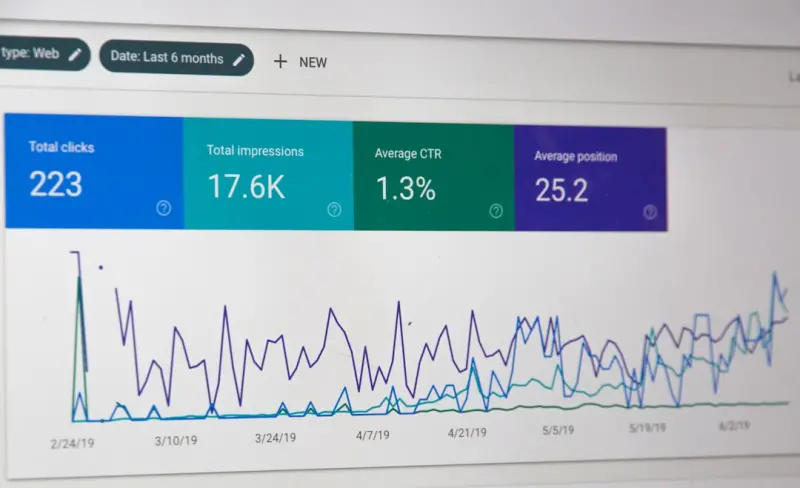
SaaS Pricing Page SEO: Capture High‑Intent Buyers
A focused SEO strategy for SaaS pricing pages can turn high‑intent search queries into qualified leads. Discover keyword research, technical markup, content t...Read More
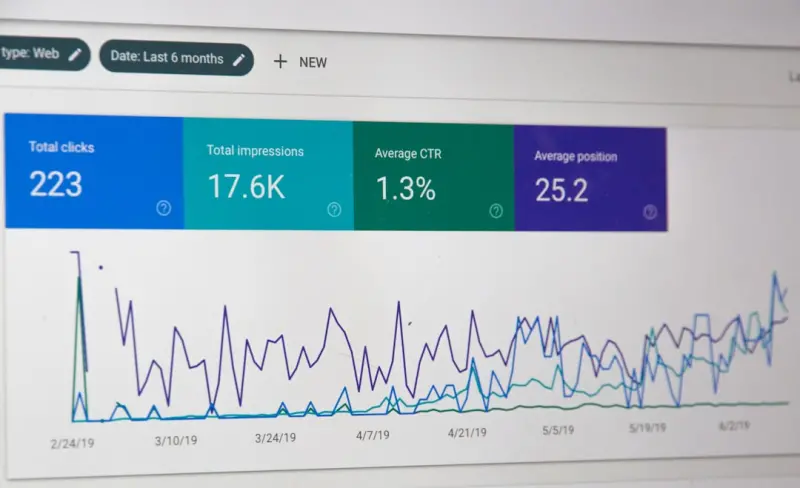
Zero‑Click SEO for SaaS: Turning SERP Snippets into Conversions
Zero‑click SEO lets SaaS brands win high‑intent prospects straight from Google’s answer boxes. This guide walks through intent mapping, schema, internal l...Read More

Shoppable Live Streams: Turning Real‑Time Video into Revenue
Live streaming is reshaping eCommerce by blending authentic interaction, urgency, and seamless checkout. Learn how to launch shoppable live streams, integrate U...Read More
0 Comments
Post Comment
You will need to Login or Register to comment on this post!