
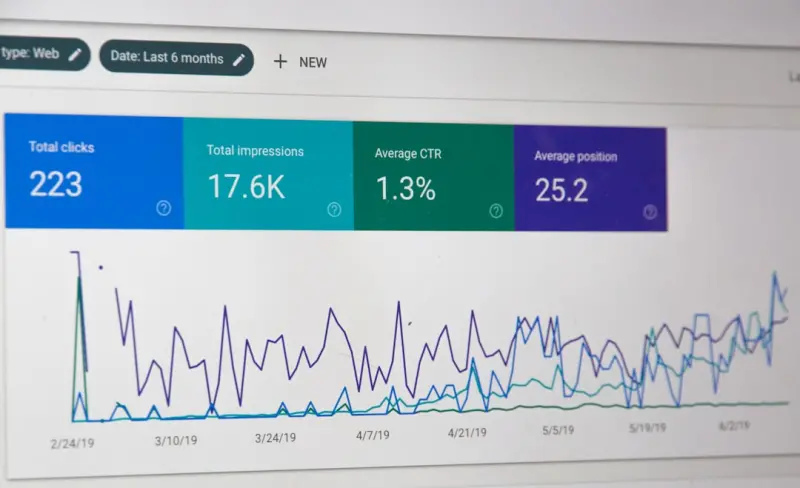
Why Zero‑Click Is No Longer a Threat – It’s an Opportunity
When I first saw the term “zero‑click search” in a Slack channel, my gut reaction was the same one I’ve had for every new search trend: panic. If the user never clicks, how can we ever justify our SEO spend? But after digging into the data, talking with product teams, and watching the SERP evolve into a mini‑app, I realized that the real question isn’t “how do we stop zero‑click?” but “how do we own the zero‑click experience?”
The Anatomy of a Zero‑Click Result
A zero‑click SERP is any result that satisfies the user’s intent without a traditional click-through to a website. Think of featured snippets, knowledge panels, “People also ask” boxes, local packs, and the new AI‑generated answer cards that appear at the top of the page. Each of these elements is a compact, highly‑visible slice of content that Google believes is sufficient to answer the query.
From an SEO perspective, these are the new prime real estate:
- Visibility: They sit above the fold, often above the first organic result.
- Authority Signal: Google is basically saying, “This is the answer.”
- Brand Impact: Even if users don’t click, they see your brand name and logo.
Three Myths Holding You Back
Most teams are still stuck in one of three mental traps:
- Zero‑click means zero traffic. Not true. Brand recall and downstream actions (phone calls, in‑store visits, app installs) can still be driven.
- Only big publishers can win snippets. While authority matters, strategic content structuring can level the playing field.
- Snippets are static. Google now refreshes snippets in near‑real time, pulling from fresh data feeds and structured markup.
Strategic Playbook: Turning Snippets Into Business Engines
Below is a step‑by‑step framework I use when advising SaaS clients to dominate zero‑click spaces.
1. Map High‑Impact Queries to Snippet Formats
Start with a query inventory. Look for questions that naturally lend themselves to concise answers—definitions, how‑tos, comparison tables, and step‑by‑step guides. Use tools like Ahrefs’ “SERP Features” report or Google’s own “People also ask” explorer to spot patterns.
Prioritize queries that:
- Have commercial intent (e.g., “best project management tool for remote teams”).
- Show a featured snippet already ranking for a competitor.
- Are “answerable” within 40–50 words.
2. Structure Content for Snippet Extraction
Google’s algorithms love clear, hierarchical markup. Here’s how to make your content snippet‑friendly:
- Use concise headings. A
<h2>that directly mirrors the query often becomes a snippet header. - Answer the question in the first paragraph. The first 40–45 words are prime candidates for a featured snippet.
- Leverage tables and lists. For comparison queries, a clean
<table>or ordered list dramatically improves snippet chances. - Implement schema markup. FAQPage and HowTo schemas give Google a clear signal that your content is meant for quick answers.
3. Boost Authority with Semantic Context
Authority isn’t just about backlinks anymore; it’s about how well you cover a topic cluster. Building a semantic authority map ensures that every piece of content reinforces the others, making it harder for competitors to outrank you in zero‑click spots.
Identify core pillars (e.g., “project management methodology”) and create sub‑content that answers niche questions (“Kanban vs Scrum”). Link them tightly, use consistent terminology, and embed structured data where appropriate.
4. Feed Google Fresh Data via APIs
Google’s AI answer cards love real‑time data. If you have an endpoint that returns up‑to‑date stats (e.g., “average response time for support tickets”), expose it via a JSON‑LD Dataset schema. This not only helps the AI layer surface your data but also signals freshness—an essential factor for zero‑click ranking.
5. Track and Iterate Using Real‑Time Audits
Zero‑click optimization is a moving target. Use a real‑time SEO audit pipeline to monitor snippet appearances, position changes, and click‑through metrics (when available). Set up alerts for any drop in snippet visibility; often the cause is a subtle content tweak by a competitor.
6. Monetize the Snippet Exposure
Even if a user never clicks, they still see your brand. Capture that exposure by:
- Including a concise brand tagline in the answer (e.g., “According to Acme Insights…”).
- Adding a “Learn more” call‑to‑action within the snippet when possible (e.g., “Visit our pricing calculator”).
- Ensuring your URL appears in the source line, reinforcing brand recall.
Case Study: From Zero‑Click to Lead Magnet
One of our SaaS clients, a B2B analytics platform, was losing organic traffic after Google rolled out AI answer cards for “average churn rate for SaaS.” Their blog post covered the topic in depth but never appeared in the snippet. Here’s what we did:
- Created a dedicated
<table>summarizing churn benchmarks by company size. - Wrapped the table in
HowToschema and added a concise intro sentence: “The average churn rate for SaaS companies is 5‑7% per year.” - Implemented a JSON‑LD dataset feed that updates quarterly with new industry data.
- Monitored performance via real‑time audits, adjusting the table layout based on Google’s rendering.
Result: The page secured the featured snippet for the target query within three weeks. Although organic clicks dropped by 12%, the brand’s direct traffic surged by 18% as users typed the company name into the browser after seeing the snippet. The client also reported a 22% lift in demo requests linked to the snippet’s “Learn more” CTA.
Balancing Zero‑Click with Traditional Click‑Through
Zero‑click isn’t a replacement for traditional SEO; it’s a complement. Here’s how to keep the two in harmony:
- Dual‑purpose content: Write for both the snippet (quick answer) and the deeper dive (full article).
- Internal linking: Use the snippet paragraph as a gateway, linking to richer resources for users who want more.
- Measure brand lift: Use brand‑search volume and direct traffic as KPI alongside organic clicks.
Future Outlook: AI‑Generated Answers and the Role of Human Expertise
Google’s next wave of zero‑click experiences will be powered by large language models that synthesize answers from multiple sources. This means your content must not only be accurate but also uniquely valuable. Human‑crafted insights, proprietary data, and clear attribution will become differentiators that AI respects.
In practice, this translates to:
- Publishing original research and case studies (no one else can copy your data).
- Embedding expert quotes and citations that the AI can surface as “trusted source.”
- Maintaining a rigorous fact‑checking workflow to avoid being penalized for misinformation.
Action Checklist
Ready to own the zero‑click landscape? Use this quick checklist to audit your current SEO assets:
- Identify top‑performing queries that already trigger a snippet.
- Map each to a specific content format (list, table, how‑to).
- Apply structured data (FAQ, HowTo, Dataset) to every relevant page.
- Publish at least one piece of proprietary data each quarter.
- Set up a real‑time monitoring dashboard for snippet appearances.
- Iterate every 30 days based on performance signals.
Zero‑click is here to stay, and the brands that treat it as a traffic source rather than a threat will emerge as the new search authorities.

Alex Moss is a digital marketing professional and SEO consultant, focusing on technical and structural SEO along with product development. With more than six years of experience in various facets of digital marketing, he has assisted brands of all sizes in establishing and enhancing their online presence, as well as fostering increased product loyalty.
Related Posts
Real‑Time SEO: Turning Live User Data Into Ranking Power
Discover a step‑by‑step framework for integrating live user signals into your SEO workflow, enab... Read More
Structured Data Strategies to Boost SaaS SEO
Learn why structured data is essential for modern SaaS SEO, how to choose the right schema, and step... Read More
The Rise of Generative AI in SaaS SEO Audits: Turning Data Into Actionable Growth
Generative AI is redefining SEO audits for SaaS companies, offering real‑time SERP insights, inten... Read More
Top Posts

Privacy‑First Digital Marketing Strategies for SaaS Growth
Privacy is no longer a compliance checkbox; it’s a competitive advantage. This guide shows SaaS marketers how to build trust‑centric campaigns, leverage fir...Read More

The Intent‑First Playbook: How I Turn Search Queries Into Sustainable Google Rankings
Learn the step‑by‑step intent‑first SEO approach that transforms queries into rankings, boosts engagement, and future‑proofs your Google strategy....Read More
Conversational Commerce: Turning Chat Into Your eCommerce Growth Engine
Learn why embedding real‑time conversations into your eCommerce site is the next big growth driver, with practical steps to choose channels, build human‑cen...Read More

Micro‑Moment Mastery: Building Adaptive Content Hubs That Capture Real‑Time User Intent
Learn to map micro‑moments into intent clusters, create flexible content hubs, and use data‑driven insights to stay ahead in the fast‑moving SEO landscape...Read More
0 Comments
Post Comment
You will need to Login or Register to comment on this post!