

Why Semantic Authority Trumps Keyword Stuffing in Modern SEO
Search engines have moved beyond simple keyword matching to evaluate the conceptual relevance of an entire page, meaning that the old tactic of peppering content with exact phrases no longer guarantees rankings. This shift compels marketers to adopt a semantic approach that maps out the relationships between entities, topics, and user intent, creating a web of meaning that search algorithms can easily parse. When a page demonstrates deep coverage of a subject area—linking related ideas, answering nuanced questions, and providing authoritative evidence—it signals to Google that the site is a trusted source, not just a repository of isolated terms. Consequently, the sites that invest in building semantic authority reap long‑term visibility, higher click‑through rates, and reduced reliance on fleeting trends.
Constructing a Topic‑Cluster Blueprint That Feeds the Search Engine Brain
The foundation of a robust semantic strategy is a well‑designed topic‑cluster model, where a pillar page serves as the central hub for a broad theme and a series of subpages dive into granular sub‑topics, all interlinked with purposeful anchor text. Each subpage should answer a specific query, incorporate relevant entities from structured data, and reference the pillar with contextual clues that reinforce the overarching narrative. By doing so, you create a hierarchical knowledge graph that both users and crawlers can navigate intuitively, boosting dwell time and reducing bounce rates. To illustrate the impact of structured interlinking, consider the case study on turning SEO into a scientific experiment, which highlighted a 32% increase in organic traffic after reorganizing content into tightly knit clusters.
Beyond the internal architecture, external signals such as backlinks should target the pillar page to consolidate authority, while niche links to subpages reinforce depth. When external sites reference specific subtopics, they act as endorsements of expertise for those precise queries, which search engines weigh heavily in ranking decisions. Moreover, leveraging schema markup to tag entities like people, organizations, and products provides an extra layer of clarity, allowing the algorithm to surface rich snippets that capture user attention directly from the SERP. The synergy of internal clusters and external endorsements creates a feedback loop that accelerates the rise of semantic authority across the site.
Implementing this framework requires a disciplined content audit to identify existing gaps and opportunities for expansion. Start by mapping out your core business themes, then brainstorm sub‑questions your audience asks, and finally assign each to a dedicated subpage. Use tools that surface entity relationships and search intent clusters, ensuring no redundant content dilutes the signal. By aligning each piece of content with a clear role within the cluster, you prevent cannibalization, improve crawl efficiency, and set the stage for future scaling as new topics emerge.
Measuring Success: Metrics That Capture Semantic Depth, Not Just Traffic
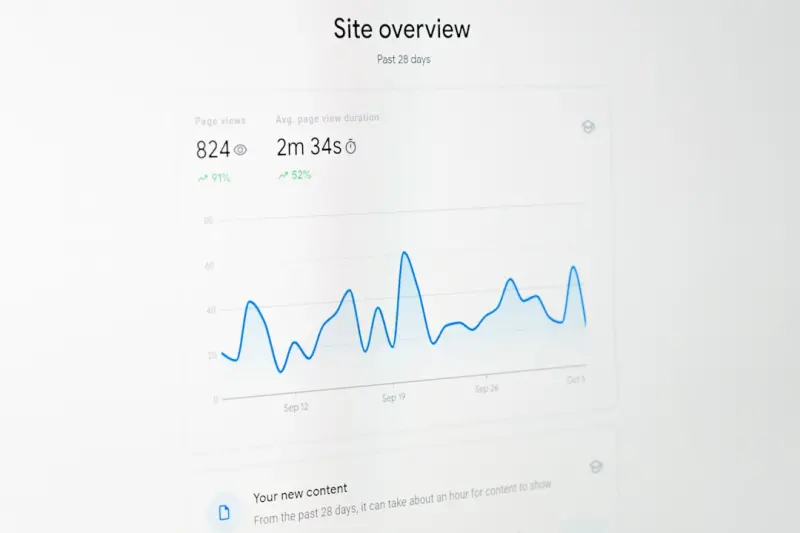
Traditional SEO metrics like organic impressions and keyword rankings provide a surface‑level view, but they miss the nuance of semantic performance. Instead, track signals such as entity coverage score, topical relevance heatmaps, and the proportion of clicks derived from rich results or featured snippets, which directly reflect the depth of your content's understanding. Tools that analyze the breadth of entity mentions and the contextual overlap between pages can quantify the effectiveness of your cluster strategy, offering actionable insights for refinement.
Another critical indicator is the rate at which users navigate from a pillar to its subpages, measured through internal click‑through paths and time‑on‑site per session. A healthy cluster will see users flowing naturally from the broad overview to the detailed deep dive, signaling that the content hierarchy is serving its purpose. Additionally, monitor the evolution of topical authority by observing changes in the domain’s “People Also Ask” presence and the frequency of your site appearing in knowledge panels, both of which are direct outcomes of strong semantic signals.
To keep the momentum, adopt an iterative testing mindset similar to the approach described in real‑time SEO audits. Set up regular audits that compare the intended entity map against the actual SERP features your pages are earning, and adjust your content accordingly. By treating each cluster as a living experiment, you can fine‑tune the depth, breadth, and interlinking patterns that drive both user satisfaction and algorithmic endorsement, ensuring that your semantic authority continues to grow long after the initial launch.

Ryan Paterson is known for his dedication, innovative mindset, and unique skills that set him apart from the crowd. . From his early years, he displayed a natural talent for thinking outside the box and approaching challenges with a fresh perspective.
Related Posts

Building an SEO Resilience Engine: Future‑Proof Your B2B SaaS Traffic
A resilient SEO engine spreads risk across content formats, leverages redundant signals, and incorpo... Read More

Competitive Gap Analysis: The Secret Weapon for Sustainable SEO Dominance
Learn why mapping competitor gaps—content, backlinks, and technical flaws—offers a powerful, sus... Read More
SEO Experiments That Actually Move the Needle for B2B SaaS
A step‑by‑step, data‑first playbook for B2B SaaS marketers to turn SEO changes into measurable... Read More
Top Posts

Riding the Intent‑First Wave: How Marketers Can Stay Ahead in SEO
Explore the rise of intent‑first SEO, its impact on rankings, and practical steps marketers can take today to harness this powerful shift....Read More

AI‑Powered Content Meets Google SEO: A Human‑Centric Playbook
Learn how to blend AI content creation with authentic SEO tactics—structured data, topic clusters, and human review loops—to dominate Google rankings while ...Read More

Riding the Intent‑First Wave: Why It’s the Hottest Topic in SEO News
Explore the rise of intent‑first SEO, its impact on content and technical tactics, and practical steps to ride the wave for sustainable traffic....Read More

Edge‑First Technical SEO: Leveraging CDNs and Serverless for SaaS Rankings
Discover how a edge‑first approach—using CDNs, serverless functions, and the latest HTTP protocols—can dramatically improve crawl efficiency, Core Web Vit...Read More
0 Comments
Post Comment
You will need to Login or Register to comment on this post!