
Why API Documentation Is the Secret Weapon in Your SaaS SEO Arsenal
When most marketers think about SEO, the mind drifts to blog posts, landing pages, and keyword‑rich copy. I’ve spent years watching developers wrestle with technical documentation that never sees the light of day beyond a login portal. The truth is that a well‑crafted API reference can become a high‑authority, traffic‑generating asset—if you treat it like any other piece of content on your site.
From “Technical Only” to “Search‑Ready”
API docs have traditionally been written for one audience: engineers. That focus makes sense, but it also creates a siloed piece of content that search engines rarely index well. The first step is to acknowledge that your documentation lives on the open web, just like a blog post or a product page. Once you shift that mindset, you can start optimizing for the same signals Google and Bing use to rank everything else.
Here are three foundational changes that turn a dry reference guide into a search‑ready powerhouse:
- Human‑friendly introductions. Every endpoint should start with a concise paragraph that explains the business problem it solves. This adds natural language that matches user intent.
- Consistent heading hierarchy. Use
<h2>for resource groups,<h3>for individual endpoints, and<h4>for parameters. A clean hierarchy signals relevance to crawlers. - Rich internal linking. Connect related endpoints, SDK guides, and case studies. A well‑woven link web keeps crawlers moving deeper into your docs and distributes link equity across the site.
Keyword Research Meets Technical Language
Developers search differently than marketers. Instead of “best CRM,” they type “how to create a contact via REST API” or “OAuth token endpoint example.” The trick is to blend search intent with the exact technical terms that appear in code samples. Start with a seed list of common API actions—create, list, delete—and expand using tools like Ahrefs or SEMrush to uncover long‑tail queries that include your product name.
When you discover a query such as “SaaS platform generate PDF invoice API,” embed that phrase naturally in the endpoint’s description, example request, and even the <title> tag. Remember: keyword stuffing still hurts. Aim for a single primary phrase and a few secondary variations per page.
Schema Markup for Developer Content
While structured data is often associated with recipes or events, the TechArticle and SoftwareSourceCode schemas are perfect for API references. Adding JSON‑LD that identifies the endpoint name, description, and example code gives search engines a clearer picture of the page’s purpose. This can unlock rich results like “how‑to” snippets that appear directly in the SERP, driving clicks from users who haven’t yet visited your site.
Implementing schema is a low‑effort win: a few lines of JSON‑LD per endpoint, and you’ll see increased visibility for queries that Google classifies as “developer how‑to.”
Leverage Community Contributions Without Diluting Quality
One of the most underused SEO tactics for SaaS is to invite external developers to submit example implementations, tutorials, or even alternative use‑cases for your API. These contributions act as fresh, user‑generated content—something we’ve seen transform eCommerce SEO in other contexts. However, unlike product reviews, developer submissions are highly technical and can be indexed quickly if you host them on the same subdomain as your core docs.
To keep quality high, create a moderation workflow that checks for code safety, relevance, and proper attribution. Once approved, each contribution becomes a new page with its own unique keyword footprint, expanding the overall authority of your documentation hub.
Performance and Accessibility: Technical SEO Fundamentals
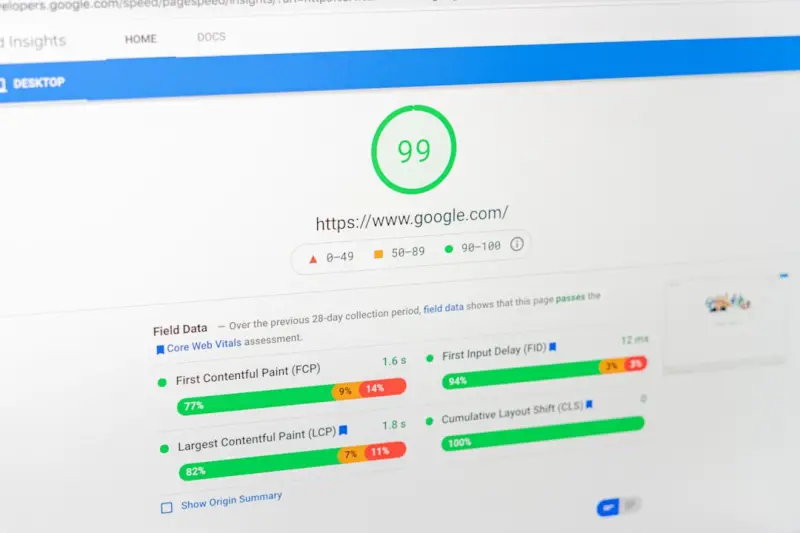
Developers are unforgiving about page speed. A heavy docs site that takes seconds to load will see higher bounce rates, which send negative signals to search engines. Optimize your docs platform by:
- Serving static HTML snapshots for each endpoint.
- Enabling HTTP/2 and Brotli compression.
- Implementing lazy loading for code blocks and interactive examples.
Accessibility matters, too. Use descriptive alt text for diagrams, ensure proper ARIA roles for interactive components, and maintain a logical tab order. Not only does this improve the experience for all users, it aligns with Google’s emphasis on page experience as a ranking factor.
Measuring Success: Metrics That Matter
Traditional SEO dashboards track organic sessions, keyword rankings, and backlinks. For API docs, add these additional lenses:
- Documentation page depth. How far do users navigate from a top‑level endpoint? A deeper crawl indicates strong internal linking.
- Code‑copy rate. Track clicks on “copy to clipboard” buttons as an engagement proxy.
- Developer conversion. Tie organic traffic to sign‑ups for API keys or SDK downloads to see the true ROI.
By aligning these metrics with broader business goals—like reducing support tickets or accelerating trial sign‑ups—you can demonstrate how SEO on your docs contributes to the bottom line.
Integrating Docs SEO with Your Overall Strategy
Don’t treat API documentation as an isolated silo. Cross‑link from your blog, product pages, and even your pricing page to relevant endpoints. For example, a blog post about “Automating Invoice Generation” should link directly to the /v1/invoices/create endpoint. Conversely, add “Read more” sections in your docs that point back to case studies or tutorials that showcase real‑world use cases.
This two‑way traffic flow amplifies authority across the site, a tactic I’ve explored in depth when discussing a content pruning strategy that prioritizes high‑value assets. By treating docs as a core SEO pillar, you create a virtuous cycle of relevance and rankings.
Future‑Proofing Your Docs for Emerging Search Trends
Search engines are evolving beyond text. With the rise of AI‑driven code assistants, search platforms now surface code snippets directly in results. To stay ahead, structure your examples using <pre> tags with proper language attributes (class="language-json", etc.) and ensure each snippet is accompanied by a clear, natural‑language explanation.
In addition, consider publishing “API use‑case” articles that answer questions like “How to integrate X with Y using our API.” These long‑form pieces blend technical depth with conversational language, positioning you for the next wave of semantic search—a topic we’ve previously explored in the context of semantic page design. By anticipating how search will interpret code and intent, you protect your rankings from future algorithm shifts.
Wrapping Up: A Practical Checklist
Transforming API docs into an SEO engine doesn’t require a complete rewrite. Follow this quick checklist to get started:
- Write a brief, user‑focused intro for every endpoint.
- Apply a logical heading hierarchy and consistent URL structure.
- Implement
TechArticleandSoftwareSourceCodeschema markup. - Invite vetted community contributions to expand content.
- Optimize performance: static HTML, HTTP/2, compression.
- Audit accessibility: ARIA roles, alt text, keyboard navigation.
- Set up tracking for depth, code‑copy, and API key conversions.
- Cross‑link between docs, blog, and product pages.
- Structure code snippets for AI‑driven search visibility.
By treating your API reference as a living, searchable asset, you unlock a high‑intent traffic source that most SaaS companies overlook. The payoff isn’t just higher rankings; it’s faster onboarding, fewer support tickets, and a stronger brand reputation among developers.

Steph Sanderson is a Toronto-based freelance writer and content creator with a clear passion: crafting compelling articles. With a dedication to clear, engaging prose and a knack for storytelling, Steph brings a wealth of experience to every project.
Related Posts

SEO That Grows With Your SaaS: From Acquisition to Retention
Learn how to map search intent to each stage of the SaaS customer lifecycle, optimize pricing pages,... Read More

Micro‑Moment Mastery: Building Adaptive Content Hubs That Capture Real‑Time User Intent
Learn to map micro‑moments into intent clusters, create flexible content hubs, and use data‑driv... Read More

Turning SEO Into a Scientific Experiment: A Blueprint for Data‑Driven Rankings
Learn to turn SEO into a systematic experiment, leveraging intent signals, statistical testing, and ... Read More
Top Posts
SaaS Pricing Page SEO: Capture High‑Intent Buyers
A focused SEO strategy for SaaS pricing pages can turn high‑intent search queries into qualified leads. Discover keyword research, technical markup, content t...Read More

Privacy‑First SEO: Winning Strategies in a Cookieless World
In a landscape where third‑party cookies are disappearing, SaaS marketers must pivot to privacy‑first SEO. This guide offers actionable tactics—from first...Read More

AI‑First SERP Strategies: Winning the New Search Landscape
Search engines now deliver AI‑generated answer blocks, changing how visibility is earned. This post outlines practical steps—entity mapping, answer‑centri...Read More

Surfing the 2024 Google SEO Tide: Rose DesRochers’ Insider Playbook
Rose DesRochers reveals a 2024 SEO playbook that blends intent‑first content, AI‑enhanced creation, and trust‑centric link building to dominate Google SER...Read More
0 Comments
Post Comment
You will need to Login or Register to comment on this post!