

Why Micro‑Moments Matter More Than Ever
When I first started dissecting search behavior, I noticed a pattern that most marketers overlook: users no longer follow linear paths; they bounce between devices, contexts, and intents in split‑second bursts. These micro‑moments—the “I want to know,” “I want to go,” “I want to do,” and “I want to buy” triggers—are the new battleground for relevance. If you can anticipate the exact question a user is asking at that precise instant, you seize the opportunity to dominate the SERP before the competition even registers the intent. It’s not about casting a wide net; it’s about laying a pinpointed hook that catches the user exactly where they are, delivering value faster than a click‑through can even load.
Mapping Intent Clusters to Real‑World Actions
To transform micro‑moments into a sustainable strategy, I start by grouping related queries into intent clusters, each representing a distinct stage of the user journey. Instead of treating keywords as isolated islands, I view them as tributaries feeding a larger river of purpose. This approach lets you design content that flows naturally from awareness to decision, reducing friction and boosting dwell time. By aligning clusters with tangible actions—like downloading a guide, signing up for a demo, or adding a product to the cart—you create a roadmap that guides both users and search engines toward the same destination.
Designing Adaptive Content Hubs That Evolve
The next step is building a flexible hub that can expand or contract as user intent shifts. I treat each hub as a living organism: the core pillar page provides a comprehensive overview, while satellite pages dive into the nuanced questions within each micro‑moment. As new trends emerge, you simply add a satellite, link it back to the hub, and let the internal link equity flow. This modular architecture not only strengthens topical authority but also ensures that fresh content integrates seamlessly without cannibalizing existing rankings.
Data‑Driven Discovery: Mining Server Logs
One of the most underrated treasure troves for micro‑moment insight is your own server logs. By parsing raw request data, you uncover the exact phrasing users employ, the devices they use, and the paths they traverse before abandoning a page. This granular view reveals hidden intent clusters that keyword tools often miss. I routinely reference the methodology outlined in Decoding Server Log Files: A Technical SEO Blueprint to set up automated pipelines that surface actionable patterns, turning raw noise into a strategic advantage.
Seasonal Signals: Aligning Content with Predictive Peaks
Micro‑moments are not static; they ebb and flow with seasonal trends, news cycles, and cultural moments. By overlaying intent clusters with predictive data, you can pre‑empt spikes in demand and position your hub to capture early traffic. For instance, a “how‑to‑prepare‑tax‑return” cluster surges every quarter, while a “gift‑ideas‑for‑graduates” cluster spikes in late spring. Leveraging the framework described in Predictive SEO allows you to schedule content refreshes and new satellite launches precisely when user interest peaks.
Measuring Success with Intent‑Focused Metrics
Traditional SEO metrics—rankings, clicks, impressions—only tell part of the story. To truly gauge micro‑moment performance, you need to track intent‑aligned KPIs such as “time‑to‑answer,” bounce‑rate after specific query clusters, and conversion rates tied to each satellite page. Heatmaps and session recordings reveal whether users find the answer within the first scroll, while funnel analysis shows how many progress from the “I want to know” micro‑moment to the “I want to buy” stage. These granular insights let you fine‑tune content depth, placement, and calls‑to‑action for maximum impact.
Scaling the Strategy Across Multiple Brands
When managing several sites, the temptation is to duplicate hubs across each property. Instead, I champion a centralized intent taxonomy that feeds all brands, customizing only the brand‑specific nuances. This shared framework reduces duplication of effort, ensures consistency in messaging, and amplifies link equity across domains. By maintaining a master spreadsheet of intent clusters, you can quickly assign new topics to the appropriate hub, guaranteeing that each brand capitalizes on the same micro‑moment opportunities without reinventing the wheel.
Common Pitfalls and How to Avoid Them
One frequent mistake is over‑optimizing for a single keyword within a cluster, which dilutes the hub’s breadth and harms relevance. Another is neglecting the “I want to do” micro‑moment, leaving users hanging after they’ve consumed information but before they can act. To sidestep these traps, keep each satellite page laser‑focused on a single intent, embed clear next‑step prompts, and regularly audit the hub for gaps where a new micro‑moment may have emerged. Consistent pruning and expansion keep the architecture lean and effective.
The Future: AI‑Enhanced Intent Prediction
Looking ahead, AI will become an indispensable ally in refining micro‑moment targeting. Machine‑learning models can predict emerging intent clusters by analyzing real‑time query streams, social chatter, and emerging topics. Integrating these predictions into your content pipeline means you can launch satellites days—or even weeks—before competitors notice the trend. While AI tools will automate discovery, the human touch remains crucial for crafting nuanced, brand‑aligned narratives that truly resonate with users at the moment they need it most.
Putting It All Together: A Blueprint for Action
Start by auditing your server logs to surface raw user queries, then group them into intent clusters that reflect the four micro‑moments. Build a pillar hub that outlines the overarching theme, and flesh out satellite pages for each cluster, ensuring each page includes a clear call‑to‑action aligned with the user’s next step. Overlay seasonal data to schedule content releases, and set up intent‑focused analytics to monitor performance. Finally, iterate continuously: add new satellites as micro‑moments evolve, prune underperforming pages, and leverage AI insights to stay ahead of the curve. By mastering this adaptive, data‑driven approach, you’ll transform fleeting searches into lasting brand relationships.

William Roy is a freelance writer originally from Montreal who moved to Ottawa with his wife of 50 years to be closer to their grandkids. Alongside his writing, William has a passion for fishing.
Related Posts

Zero‑Click SEO: How to Own the Featured Snippet Space
Zero‑click SEO has become a core growth channel for SaaS brands. This guide walks you through iden... Read More

Zero‑Click SEO: How SaaS Brands Capture Traffic Without a Click
Zero‑click search is reshaping SEO for SaaS. This guide shows how to map intent, craft snippet‑r... Read More
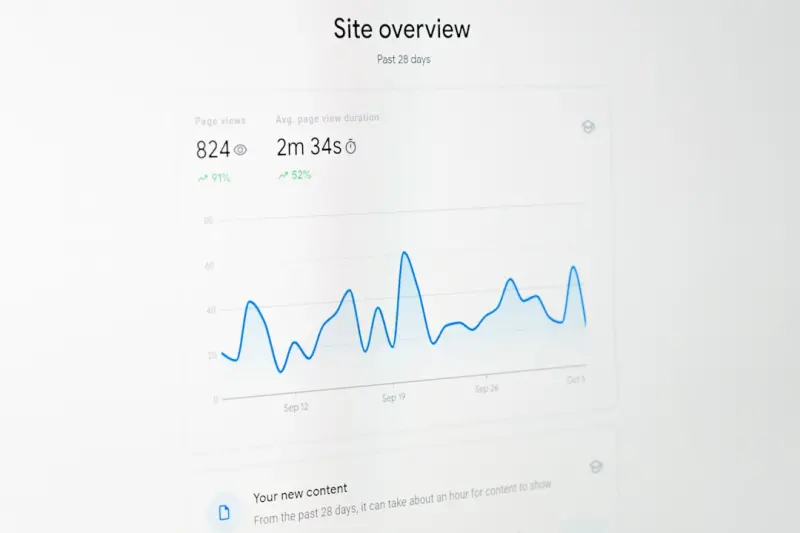
SEO Experiments That Actually Move the Needle for B2B SaaS
A step‑by‑step, data‑first playbook for B2B SaaS marketers to turn SEO changes into measurable... Read More
Top Posts

Micro‑Intent Clustering: The Next Evolution in SEO Strategy
Learn to map search queries into micro‑intent clusters, align content, and future‑proof your SEO for AI‑driven search experiences....Read More

Turning SaaS APIs into Search Engine Magnets
Discover why SaaS APIs deserve SEO attention, how to make them crawlable, add structured data, and track impact—transforming hidden endpoints into powerful se...Read More

Intent‑First SEO Takes Center Stage: What Marketers Need to Know
Explore the rise of intent‑first SEO, learn practical steps to align content with user intent, and see real‑world case studies that prove this shift is here...Read More
Content Clusters and Pillar Pages: A Fresh On-Page SEO Blueprint
Learn how to structure content clusters and pillar pages to align with user intent, improve site architecture, and future‑proof your on‑page SEO for sustain...Read More
0 Comments
Post Comment
You will need to Login or Register to comment on this post!