
Why Seasonal Signals Are the Secret Sauce of Modern SEO
Every marketer chases the next algorithm update, but I’ve found the real gold lies in the rhythm of user intent itself. Google’s seasonal search signals—the predictable spikes around holidays, events, and cultural moments—act like a hidden tide that lifts all well‑positioned content. When you align your strategy with these waves, you’re not just reacting to change; you’re forecasting it. This mindset shift from reactive to predictive has transformed the way I plan campaigns, turning fleeting moments into sustainable traffic streams.
Decoding Google’s Seasonal Algorithmic Boosts
Google’s ranking engine subtly favors content that matches current user interest spikes, even if the page isn’t brand new. The system evaluates freshness, relevance, and the volume of recent queries surrounding a topic, rewarding pages that demonstrate timely authority. By understanding how the algorithm weights these factors, you can position your assets to capture the surge before competitors even notice the swell. It’s less about constant churn and more about strategic timing—publishing or refreshing at the precise moment the search volume peaks.
Mining Google Trends Data: Tools & Techniques
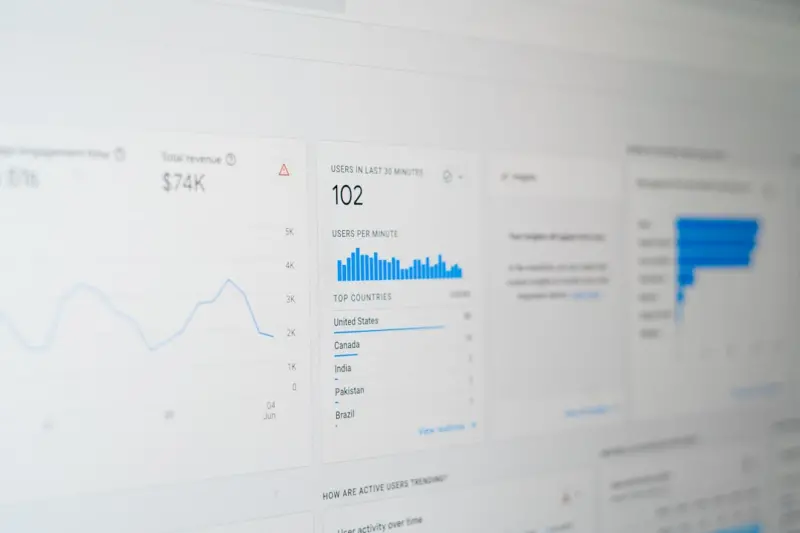
To ride the seasonal tide, you first need a reliable surfboard: data. Google Trends provides a visual heat map of query popularity over days, weeks, and months, letting you spot emerging peaks before they crest. Pair this with the “Interest by region” feature to localize your focus, and you’ll uncover micro‑seasonal opportunities that most SEO dashboards overlook. I also layer historical data from Search Console, extracting impression trends for key pages, then cross‑reference with external calendars—think industry conferences, product launches, or cultural festivals—to build a predictive model that feels almost prescient.
Aligning Your Content Calendar with Search Peaks
The most effective way to capitalize on seasonal demand is to schedule content creation around the identified peaks. Instead of a static monthly plan, I build a dynamic calendar that flags high‑interest windows and allocates resources accordingly. For a fashion blog, this means drafting “Winter Wardrobe Essentials” pieces weeks before the first snowfall, while a SaaS provider might prepare “Year‑End Budget Planning” guides in early December. By front‑loading research and drafting during low‑traffic periods, you ensure the final polish lands exactly when search intent spikes, maximizing visibility without the scramble.
Crafting Evergreen Foundations That Ride Seasonal Waves
Evergreen content isn’t immune to seasonality; it’s the anchor that lets you surf higher. A robust pillar page on “Home Office Productivity” can be refreshed with a seasonal “Holiday Office Setup” section, preserving its authority while capturing timely queries. This hybrid approach leverages the authority of long‑form assets and the freshness boost of seasonal inserts. I often embed semantic SEO approach tactics, ensuring that each update signals topical relevance to Google’s topic model without diluting the core value of the page.
Using Structured Data to Highlight Timeliness
Schema markup isn’t just for recipes and events; it’s a powerful signal for time‑sensitive content. Implementing datePublished and dateModified fields, along with Event or Offer schema where appropriate, tells Google that your page reflects current conditions. When a search engine sees that a page was recently updated with a relevant date, it’s more likely to surface it during seasonal peaks. I’ve also experimented with the LiveBlogPosting type for real‑time coverage of industry events, granting immediate SERP prominence during the live window.
Case Study: Turning a Niche Blog Into a Seasonal Powerhouse
Last year I helped a niche outdoor gear blog capture the spring hiking surge. By mapping keyword trends, we identified a spike in “lightweight trail backpacks” three weeks before peak season. We refreshed existing product reviews, added a new “2024 Spring Trail Pack Guide,” and layered AI‑powered search tactics to fine‑tune meta descriptions for intent. Within two weeks, impressions jumped 78%, and the guide ranked on the first page for three target queries, delivering a steady flow of affiliate revenue throughout the season.
Proactive Monitoring: Alerts, Forecasts, and Quick Wins
Staying ahead requires an automated watchdog. I set up Search Console alerts for sudden impression spikes, coupling them with custom Google Data Studio dashboards that flag deviations beyond a 20% threshold. When a signal triggers, I have a rapid response checklist: verify relevance, add a timely subheading, and push a small internal link boost. This loop turns data into action within hours, converting fleeting interest into lasting ranking gains before the algorithm re‑evaluates the page’s freshness.
Final Playbook: Five Action Steps to Harness Seasonal SEO
- Map out annual search spikes using Google Trends and historical Search Console data.
- Build a flexible content calendar that reserves slots for seasonal drafts and updates.
- Refresh evergreen pillars with timely sections, leveraging semantic relevance and structured data.
- Implement schema markup that highlights dates and event relevance.
- Set up real‑time alerts and a rapid‑response workflow to capitalize on unexpected spikes.
By treating seasonality as a predictable algorithmic lever rather than a chaotic afterthought, you’ll consistently capture high‑intent traffic while preserving the authority of your core assets. The result is a resilient SEO engine that thrives year‑round, turning every calendar change into a growth opportunity.

When it comes to the world of blogging and writing, Rose DesRochers is a name that stands out. Her passion for creating quality content and connecting with her audience has made her a trusted voice in the industry. Aside from her skills as a writer and blogger, Rose is also known for her compassionate nature.
Related Posts

Riding the 2024 Google SEO Wave: Rose DesRochers’ Insider Playbook for Success
Rose DesRochers shares a 2024 SEO playbook focusing on user intent, AI integration, authority buildi... Read More

Navigating Google’s Search Generative Experience: A SaaS Playbook
Google’s Search Generative Experience transforms static SERPs into interactive AI conversations. T... Read More

The Intent‑First Revolution: How Google SEO Evolved in 2026
In 2026 Google rewards intent over keywords. Explore the intent‑first revolution, practical tactic... Read More
Top Posts

When Search Gets Smart: Harnessing Generative AI for Enterprise Discovery
Traditional keyword search struggles with modern, dynamic corpora. This post dives into how generative AI and hybrid retrieval pipelines can deliver contextual,...Read More

Unlock the SEO Power of Facebook Events: A Fresh Playbook for Marketers
Learn to harness Facebook Events for SEO, from crafting keyword‑rich titles to leveraging employee advocacy and semantic clusters for lasting search impact....Read More

SEO Playbook for SaaS Documentation: Turning Guides into Traffic Magnets
Discover a step‑by‑step SEO strategy that transforms SaaS documentation into a powerful traffic source, covering technical foundations, content architecture...Read More
Elevating On‑Page SEO with User Experience: From Core Web Vitals to Content Refresh
Learn how user‑experience signals—from load speed to accessibility—can transform your on‑page SEO, driving higher rankings, engagement, and conversions....Read More
0 Comments
Post Comment
You will need to Login or Register to comment on this post!