
Why Your Feature Pages Need a Whole‑New SEO Playbook
When I first joined a fast‑growing SaaS startup, our product pages were built the way most tech teams do: “ship the feature, add a few bullet points, and hope the search bots will figure it out.” Six months later, our organic traffic plateaued, and the sales team started asking the impossible question: “Why are our competitors ranking higher for the exact same features we’re selling?” The answer wasn’t a lack of keywords—it was the way we were treating each feature page as a static brochure instead of a dynamic SEO asset.
Feature pages are the heartbeat of B2B SaaS on‑page SEO. They sit at the intersection of product education, buyer intent, and conversion engineering. Yet they’re often the most neglected pages after the homepage and the blog. In this post, I’ll walk you through a fresh, tactical framework that transforms every feature page from a simple description into a ranking‑ready, conversion‑optimized powerhouse.
1. Map Intent Before You Write a Word
SEO has moved beyond “keyword stuffing.” The modern search engine cares about search intent—the underlying problem a user is trying to solve. For B2B SaaS, intent can be broken into three primary buckets:
- Informational: “What is a CRM workflow automation?”
- Navigational: “HubSpot workflow automation pricing.”
- Transactional: “Buy workflow automation SaaS.”
Before drafting any copy, create a tiny intent matrix for each feature. Ask yourself:
- What question is the prospect trying to answer?
- Which stage of the buyer’s journey does this align with?
- What micro‑conversions (demo request, whitepaper download) could we embed?
This matrix becomes the backbone for every on‑page element—title tag, meta description, H2 headings, and even the call‑to‑action (CTA) button copy.
2. Architect Your Content with a “Feature Funnel” Layout
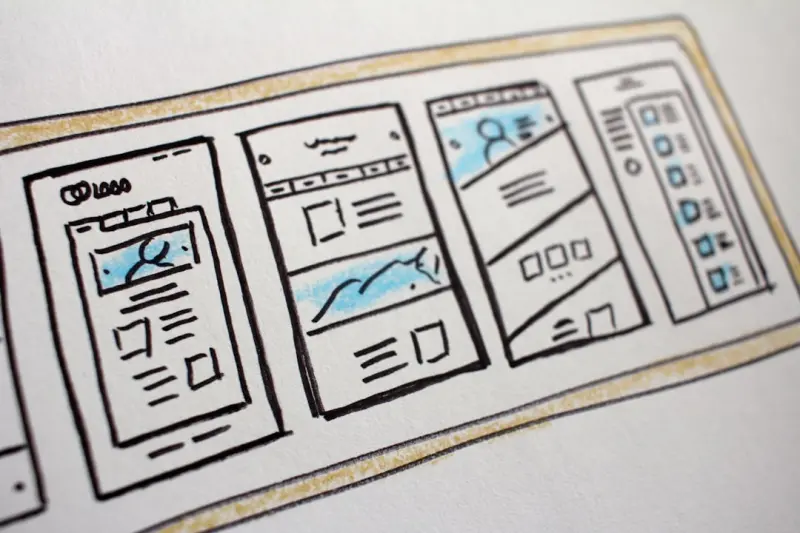
Think of a feature page as a mini‑funnel. The top of the page satisfies quick‑scan intent, while the bottom nurtures deeper engagement. A proven layout looks like this:
- Hero Section: One‑sentence value proposition + primary CTA.
- Problem Statement: A relatable pain point that resonates with the target persona.
- Solution Overview: How the feature directly solves the problem, using concise bullet points.
- Deep Dive Modules: Sub‑sections that cover use‑cases, integrations, and technical specs.
- Social Proof: Customer quotes, case studies, or logos.
- Secondary CTA: Offer a demo, free trial, or downloadable guide.
Each module should have its own <h2> or <h3> tag that naturally incorporates a long‑tail keyword. This hierarchical structure not only improves readability but also signals relevance to search engines.
3. Leverage Semantic HTML & Schema for Machine Understanding
Search engines love structure. While the headline “Semantic HTML & Schema” might sound like a topic reserved for developers, applying it to feature pages is a game‑changer. Use <article>, <section>, and <aside> tags to delineate logical chunks. Then, embed schema.org markup such as Product, Offer, and Review. This tells Google exactly what you’re selling, the price point, and even the satisfaction rating—ingredients that feed rich snippets and increase click‑through rates.
4. Optimize for Core Web Vitals Without Sacrificing Depth
Google’s Core Web Vitals (LCP, FID, CLS) are now ranking signals, but many SaaS teams assume they must choose between performance and content depth. The secret is progressive enhancement:
- Load critical text and CTAs first (HTML + inline CSS).
- Defer heavy JavaScript, such as interactive demos, using
asyncordefer. - Serve images in modern formats (WebP, AVIF) and use
srcsetfor responsive delivery.
Tools like Lighthouse and PageSpeed Insights give you a quick health check, but the real test is user behavior: Are visitors staying on the page long enough to engage with the feature details?
5. Infuse Interactive Elements—But Do It Right
Interactive calculators, ROI estimators, or live demos dramatically boost dwell time, a positive SEO signal. However, they must be built with SEO in mind:
- Provide a fallback: Ensure that a static HTML summary of the interactive result is available for crawlers.
- Lazy‑load scripts: Only fire the heavy JavaScript after the user clicks “Show Calculator.”
- Track engagement: Use event tracking to measure how many users actually use the tool, and surface that data in the page’s schema as
InteractionStatistic.
6. Harness the Power of Content Pruning & Refresh
Feature pages are not set‑and‑forget. Over time, product roadmaps evolve, and the language your audience uses changes. Conduct a quarterly audit:
- Identify low‑performing sections: Pages with high bounce rate or low average time on page are candidates for pruning.
- Update data points: Replace outdated statistics, screenshots, or UI mockups.
- Refresh keywords: Use search console data to spot new long‑tail queries that have started to appear.
When you refresh a page, signal the change to Google with a lastmod tag in your XML sitemap and, if the update is substantial, consider a rel="canonical" tweak to avoid duplicate content issues.
7. Align UX with Keyword Strategy—A Seamless Dance
Many teams treat UX and SEO as separate departments, but on‑page SEO thrives when they cooperate. A well‑structured page layout that mirrors the user’s mental model also satisfies search intent. For a concrete example, see how UX‑keyword synergy can be achieved through strategic placement of headings, bullet points, and internal links.
8. Build a Network of Internal Links That Mirrors Feature Relationships
Feature pages rarely exist in isolation. If your SaaS offers “Workflow Automation” and “Reporting Dashboards,” link them contextually: “Learn how our Reporting Dashboard complements workflow automation.” This not only distributes link equity but also reinforces topical relevance for Google’s topical clustering algorithms.
9. Capture Long‑Tail Search with FAQ Structured Data
FAQ sections are a low‑effort way to target dozens of long‑tail queries. Draft a set of 3‑5 questions that directly address the feature’s most common objections. Then, wrap each Q&A in FAQPage schema. This can surface your answers as rich results, boosting visibility without extra content overhead.
10. Measure Success Beyond Rankings
Finally, remember that on‑page SEO for feature pages is a conversion engine, not just a traffic generator. Track these metrics:
- Organic conversion rate: Percentage of organic visitors who complete the primary CTA.
- Engagement depth: Scroll depth, time on page, and interaction with interactive tools.
- Search visibility: Position for primary and secondary keywords, plus presence in featured snippets.
When you see a spike in organic conversions, you’ve hit the sweet spot where search intent meets product relevance.
Putting It All Together: A Quick Checklist
- Define search intent and map it to the buyer’s journey.
- Design a feature‑funnel layout with clear hierarchy.
- Implement semantic HTML and relevant schema markup.
- Optimize Core Web Vitals via progressive enhancement.
- Add interactive tools with SEO‑friendly fallbacks.
- Schedule quarterly content pruning and refresh cycles.
- Synchronize UX design with keyword placement.
- Create contextual internal links to related features.
- Add an FAQ section with structured data.
- Monitor organic conversion rates, not just rankings.
By treating each feature page as a living, SEO‑optimized asset, you’ll not only climb the SERPs but also empower prospects to discover, evaluate, and adopt your solution—exactly the outcome every B2B SaaS marketer craves.

As a passionate freelance writer, Paige Magarrey is dedicated to bringing new perspectives and raising awareness through her work. With her expertise and creative approach, Paige strives to engage readers and deliver valuable content that resonates with audiences.
Related Posts

Why On‑Page SEO Needs a User‑First Refresh (And How to Do It)
A user‑first on‑page SEO overhaul transforms SaaS pages from keyword‑dense checklists into eng... Read More

Turning On‑Page SEO Into a Conversion Funnel for SaaS Growth
A fresh take on on‑page SEO shows how mapping content to funnel stages, using intent‑driven keyw... Read More

International On‑Page SEO: Turning Local Markets into Organic Growth Engines
Discover a step‑by‑step playbook for international on‑page SEO that covers local keyword resea... Read More
Top Posts
Mobile SEO Audits: Turning Data Into Growth for SaaS Brands
Learn how to build a data‑driven mobile SEO audit that surfaces performance bottlenecks, prioritizes fixes by revenue impact, and future‑proofs your SaaS si...Read More

Unlocking Google’s Entity Graph: A SaaS Playbook for Semantic Authority
This post reveals a step‑by‑step playbook for SaaS teams to map their brand, products, and APIs into Google’s Entity Graph, using structured data, high‑...Read More

Semantic HTML & Schema: The Unseen Engines of On‑Page SEO
Learn why semantic HTML and structured data are the hidden powerhouses of on‑page SEO, with practical implementation tips, common pitfalls, and a checklist to...Read More

Turning SaaS Sites into Mobile Magnets with PWAs, Schema, and ASO
A deep dive into progressive web apps, mobile‑focused structured data, and the synergy between app store optimization and SEO, showing SaaS teams how to captu...Read More
0 Comments
Post Comment
You will need to Login or Register to comment on this post!