

Why Visual Search Is the New Frontier for SEO
Visual search isn’t a niche experiment any longer; it’s a mainstream behavior reshaping how users discover products, places, and ideas across the web, and SEOs who cling solely to text‑based tactics risk watching their traffic evaporate. From a casual photo snap on a smartphone to a sophisticated AI‑driven image query, millions of searches now begin with a picture rather than a typed phrase, forcing us to rethink the very foundation of keyword strategy and content architecture. Understanding this shift means accepting that search intent can be expressed through pixels, colors, and composition, and that search engines are increasingly capable of interpreting visual cues with human‑like accuracy.
The Platforms Driving the Visual Search Boom
Google Lens, Bing Visual Search, Pinterest Lens, and Instagram’s shopping tags collectively form a powerful ecosystem where images act as gateways to discovery, each platform applying its own algorithmic lens to surface relevant results. Users point their camera at a pair of sneakers, a restaurant’s façade, or a piece of artwork, and instantly receive product links, reviews, or similar visuals, blurring the line between search and social discovery. This convergence amplifies the importance of a cohesive visual identity, because a single image can now rank across multiple search interfaces, delivering traffic not only to traditional SERPs but also to platform‑specific visual feeds.
Technical Foundations: Image Sitemaps and Structured Data
At the core of visual‑search readiness lies proper technical implementation: an image sitemap that lists every indexable graphic, combined with schema.org’s ImageObject markup to convey context, licensing, and creator information to crawlers. While search engines have long parsed alt attributes, they now cross‑reference these signals with surrounding text, page hierarchy, and even user‑generated metadata to assess relevance. Adding structured data such as thumbnailUrl and contentUrl ensures that a product image can appear in rich snippets, image carousels, or shopping panels, dramatically increasing click‑through potential.
On‑Page Image Optimization: Naming, Compression, and Responsiveness
Beyond markup, the on‑page treatment of each visual asset dictates its discoverability and performance; file names should be descriptive, incorporating primary keywords in a natural, human‑readable format rather than generic strings like “IMG_1234.jpg.” Compression must strike a balance between visual fidelity and load speed, because Core Web Vitals now factor page‑level image weight into ranking signals, especially on mobile where bandwidth constraints remain a reality. Implementing srcset and sizes attributes empowers browsers to serve the optimal resolution for each device, while lazy‑loading ensures that below‑the‑fold visuals do not penalize initial page render times.
AI‑Generated Alt Text: Automation Meets Brand Voice
Modern content pipelines increasingly rely on AI tools to generate alt text at scale, but a blind reliance on machine output can dilute brand messaging and miss nuanced accessibility requirements. A strategic approach blends AI suggestions with human editorial oversight, allowing the algorithm to capture basic object identification while the copywriter injects context, tone, and calls to action that align with overall SEO goals. This hybrid model not only satisfies accessibility standards but also enriches the semantic signals that visual‑search engines use to match user intent with visual content.
Targeting Visual SERP Features: Carousels, Pins, and Thumbnails
Visual SERPs now showcase a variety of rich formats—image carousels on Google, product pins on Pinterest, and video thumbnails on TikTok’s search overlay—each demanding a tailored optimization strategy. For carousels, ensure that the primary image meets the platform’s dimension guidelines and includes concise, keyword‑rich captions; for product pins, embed Product schema alongside high‑resolution shots that highlight key attributes; for video thumbnails, select frames that convey the narrative hook while embedding VideoObject markup. By aligning assets with these visual containers, you increase the likelihood of appearing at the top of a visual feed, where users often click without ever seeing a textual snippet.
Measuring Visual Search Impact: New Metrics and Tools
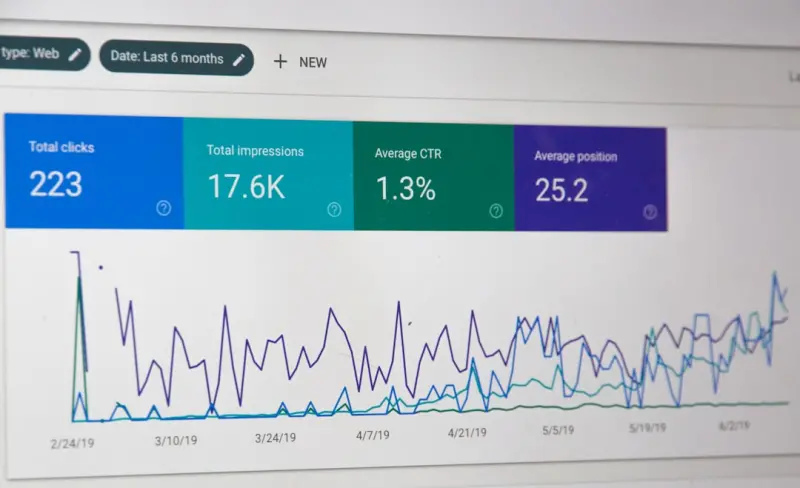
Traditional SEO dashboards lack the granularity to capture visual‑search performance, prompting the adoption of specialized metrics such as image impressions, click‑through rates on visual cards, and lift in organic traffic attributed to image‑only queries. Google Search Console now reports “Image” as a distinct search type, allowing you to monitor which assets drive the most clicks and how they perform across devices. Complement this data with heat‑mapping tools that visualize user interaction on image‑heavy pages, revealing drop‑off points where large files or poor layout hinder engagement.
Future Outlook: AR, 3D Models, and Immersive Search
As augmented reality (AR) and 3D modeling mature, visual search will evolve from flat images to interactive experiences, where users can project a piece of furniture into their living room or spin a product in a virtual showroom before purchasing. Preparing for this next wave involves adopting schema.org/3DModel, optimizing model file sizes, and ensuring that metadata accurately describes material, dimensions, and usage scenarios. Brands that pioneer immersive visual content will capture early market share in a space where traditional text‑based SEO may struggle to convey the richness of the experience.
Actionable Checklist and Next Steps
To transition from text‑centric to image‑centric SEO, follow this concise checklist: (1) audit existing images for descriptive filenames and alt text; (2) generate a comprehensive image sitemap and submit it via Search Console; (3) implement ImageObject and related schema on product and article pages; (4) compress and serve responsive images using srcset; (5) integrate AI‑assisted alt generation with human review; (6) optimize assets for platform‑specific visual SERP features; (7) set up visual‑search reporting in analytics tools; and (8) explore AR/3D model integration for high‑intent product categories. For deeper insight into structured data implementation, revisit Why Google’s Real‑Time Intent Heatmaps Are Redefining SEO and see how data‑driven tactics can amplify your visual strategy.

Steven McClurry is a freelance writer. He loves to write controversial topics and on a wide rang of topics. When is not online he is hanging out at his college campus or playing online games.
Related Posts

Micro‑Intent Clustering: The Next Evolution in SEO Strategy
Learn to map search queries into micro‑intent clusters, align content, and future‑proof your SEO... Read More
Zero‑Click Optimization: How to Own the SERP Snippet and Still Drive Business
Zero‑click results are no longer a nightmare for marketers; they’re a prime real‑estate opport... Read More

AI Content Detection & Ethical SEO: A Modern Playbook
Google’s AI detectors are reshaping SEO. Discover practical ways to audit, optimize, and future‑... Read More
Top Posts

Cracking the Google Discover Feed: A Tactical Guide to Boosting Organic Reach
Discover how to harness Google’s personalized feed for massive traffic. This guide reveals content, visual, and technical tactics to consistently appear in Di...Read More

Conversational Commerce: Turning Chats Into Revenue Engines
Explore the rise of conversational commerce, learn why instant chat is a sales engine, and get actionable steps to integrate AI‑driven bots into your digital ...Read More

Voice Search Optimization for WordPress: A Conversational SEO Playbook
Discover a step‑by‑step guide to mastering voice search on WordPress, from conversational keyword research to FAQ schema and speed optimization....Read More

Crawl Budget Mastery: Real‑Time Log Analysis for Faster Indexation
Learn to optimize Google’s crawl budget using log file analysis, real‑time monitoring, and AI‑driven forecasting, turning technical insight into faster, h...Read More
0 Comments
Post Comment
You will need to Login or Register to comment on this post!