

Why Structured Data Is the Secret Weapon for eCommerce SEO
When I first launched my online boutique, I chased backlinks and keyword volume like most marketers do, but the traffic plateaued despite the effort. It was only after I dug into how Google’s algorithm evaluates schema that I realized the real game‑changer lives in the markup beneath the page. Structured data doesn’t just speak to crawlers; it tells them exactly what you sell, why it matters, and how it fits into a shopper’s journey, turning invisible inventory into searchable assets. Product rich snippets become the digital storefront windows that pull clicks before a user even reads a meta description.
Product Schema: From Basic Details to Rich Snippets that Convert
Most eCommerce platforms offer a default Product schema, but the default rarely captures the nuances that differentiate a bestseller from a mediocre SKU. By enriching the markup with price, availability, SKU, brand, and even promotional offers, you give Google the confidence to display a full‑featured snippet that includes price and stock status right on the SERP. Shoppers love that instant insight, and studies show a 30 % increase in click‑through rates when price and availability appear in the search result. The key is consistency: every product page must return valid JSON‑LD, and any mismatches will cause Google to drop the rich result entirely.
Step‑by‑Step Implementation Without Breaking Your Site
Start by auditing your existing product pages with a tool like Google’s Rich Results Test; it will flag missing fields and syntax errors in real time. Next, map each data point—price, sale price, inventory count, review rating—to a corresponding schema property, and inject the JSON‑LD script into the <head> of the page. If you’re using a headless CMS, automate this step with a server‑side script that pulls product data from your database and renders the markup on the fly. Finally, set up a cron job that re‑validates the markup weekly, ensuring that price changes or out‑of‑stock items never slip through unchecked.
FAQ and How‑To Schema: Capturing Voice Search and Micro‑Queries
Consumers often type questions like “Does this jacket come in red?” or “How long does free shipping take?” rather than simple product names. By adding FAQ and How‑To schema to your product pages, you capture those micro‑queries and give Google a ready‑made answer block that appears above organic listings. This not only improves visibility but also aligns with the intent clustering for product queries trend, where search intent is grouped and answered at scale. The result is a higher likelihood of appearing in voice‑activated assistants and featured snippets, driving traffic from users who are already in a buying mindset.
Breadcrumbs and Site Navigation: Guiding Both Users and Crawlers
Breadcrumb schema may seem like a minor detail, but it creates a clear hierarchical map that helps Google understand the relationship between category pages and individual products. When properly implemented, breadcrumbs appear directly under the page title in search results, offering a clickable trail that reduces bounce rates and improves user confidence. For large catalogs, this structure also assists internal linking strategies, ensuring that link equity flows from high‑authority category pages down to niche product pages. A well‑structured breadcrumb trail can shave seconds off a shopper’s decision cycle, especially on mobile where space is at a premium.
Measuring the Impact: From Rich Snippet Impressions to Revenue
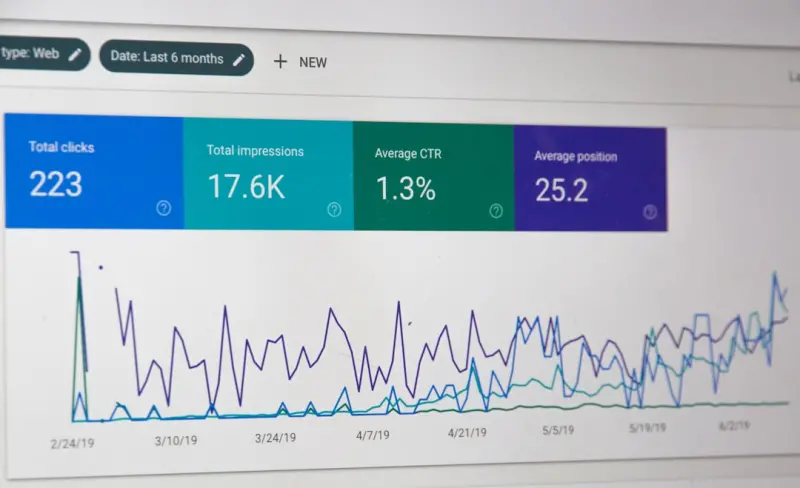
After deploying enhanced markup, the next step is to track performance with a combination of Google Search Console and your analytics platform. Look for increases in “Impressions” and “Clicks” for the “Rich results” segment, then correlate those spikes with conversion metrics such as add‑to‑cart and checkout completion. It’s common to see a lag of 2‑4 weeks as Google re‑crawls and indexes the updated pages, so patience is key. Setting up custom UTM parameters on the rich snippet URLs allows you to attribute revenue directly to structured data, turning a technical SEO tweak into a measurable ROI driver.
Future‑Proofing with AI‑Generated Schema
The rise of generative AI means that search engines are getting smarter about interpreting context, but they still rely on explicit signals from markup. Emerging tools can automatically generate schema snippets based on product descriptions, reducing the manual effort required for large inventories. However, AI‑generated markup must be audited for accuracy; a misplaced “priceCurrency” field can lead to disqualification from rich results. By staying ahead of AI‑driven content generation and pairing it with rigorous validation, you ensure that your eCommerce site remains visible as search evolves.
Aligning Schema with Google’s Helpful Content Guidelines
Google’s recent emphasis on “Helpful Content” means that schema can no longer be a gimmick; it must reinforce genuinely useful information. When you embed detailed specifications, size guides, and authentic user‑generated FAQs within structured data, you signal to Google that your pages are designed for shoppers, not just search bots. This alignment not only protects you from potential ranking penalties but also boosts the likelihood of earning “Top‑Level” rich snippets that dominate the SERP. Integrating schema thoughtfully, therefore, becomes a core component of a sustainable, user‑first SEO strategy.
Putting It All Together: A Checklist for eCommerce SEO Success
- Audit every product page with Rich Results Test.
- Implement complete Product, FAQ, How‑To, and Breadcrumb schema using valid JSON‑LD.
- Automate markup generation for dynamic inventories.
- Monitor rich snippet impressions and correlate with conversion metrics.
- Regularly validate schema to stay compliant with evolving guidelines.
By treating structured data as the backbone of your SEO architecture, you transform raw product listings into searchable, click‑magnet assets that drive qualified traffic and boost sales. The effort pays off in higher SERP visibility, lower bounce rates, and ultimately, a healthier bottom line for your online store.

Tyler Johnson is a seasoned freelance writer with a keen eye for detail and a passion for crafting compelling narratives. His years of experience have honed his ability to adapt his style to suit diverse client needs and project requirements.
Related Posts

Semantic Topic Clusters: The Next Frontier for eCommerce SEO
Learn why organizing product and content pages into semantic topic clusters gives online stores high... Read More
Turning Return Data into SEO Gold: A Fresh Playbook for eCommerce Growth
Discover a return‑data‑first SEO strategy that transforms refund reasons into high‑intent cont... Read More

Turn Customer Reviews and Q&A Into SEO Gold for Your eCommerce Store
User‑generated content is more than social proof—it’s a goldmine for SEO. Discover step‑byâ€... Read More
Top Posts

Google Discover SEO: A Hidden Growth Engine for SaaS
Discover how SaaS marketers can turn Google’s AI‑driven feed into a powerful acquisition channel by focusing on entity‑driven topics, compelling visuals, ...Read More

Speed Wins: Mastering Mobile Core Web Vitals for SaaS Visibility
A deep dive into Core Web Vitals for SaaS marketers, offering actionable steps to shave seconds off load time, eliminate layout shifts, and turn mobile performa...Read More

Decoding Google’s Relevance‑First Algorithm: A SaaS Playbook
Google’s algorithm now prioritizes relevance over traditional rankings. This post breaks down the three pillars of the new relevance engine, offers a practica...Read More

Beyond the Cart: A Fresh eCommerce SEO Blueprint for Modern Shoppers
This post outlines a modern eCommerce SEO playbook, covering intent‑first keyword mapping, product‑page optimization, user‑generated content, topic cluste...Read More
0 Comments
Post Comment
You will need to Login or Register to comment on this post!