

When I first started optimizing eCommerce sites, the biggest SEO win I ever saw wasn’t a technical tweak or a fresh backlink—it was a handful of authentic customer reviews. Those five‑star testimonies, brutally honest complaints, and the little nuggets of user‑generated content that sit between product images and the add‑to‑cart button are pure, unfiltered keyword gold. If you’re still treating reviews as an after‑thought, you’re leaving massive ranking potential on the table.
Why Reviews Matter More Than You Think
Search engines have grown smarter, but they still rely on signals that prove a page is valuable to real people. Reviews deliver three of those signals in one package:
- Fresh, user‑generated text that updates daily, keeping the page “alive” in the eyes of crawlers.
- Long‑tail keyword variations that you might never think to target in a traditional keyword research session.
- Social proof metrics (ratings, star counts, review volume) that influence click‑through rates from the SERP.
When Google sees a product page that not only lists specs but also hosts a thriving conversation, it assumes that page satisfies a searcher’s intent better than a sterile, static page.
Structuring Review Data for Maximum Impact
It’s not enough to simply dump reviews onto a page. You need to structure them so search engines can read and index them effectively. Here’s the checklist I use for every eCommerce client:
- Implement Review Schema (schema.org/Review) with proper
author,datePublished,ratingValue, andreviewBodyfields. - Wrap aggregate rating data in
AggregateRatingmarkup so the SERP can show stars directly next to your product title. - Make sure each individual review is on its own URL (or at least a unique fragment identifier) to avoid duplicate content penalties.
- Include “reviewer type” (verified buyer, influencer, etc.) to boost trust signals.
Once the markup is live, monitor the Rich Results report in Google Search Console. If you see “Review” appearing as a rich snippet, you’ve just earned prime real‑estate on the search results page.
Mining Review Text for Long‑Tail Keywords
Every review is a mini‑survey of how customers talk about your product. Pull that language into your SEO strategy:
- Scrape review content (respecting privacy and platform policies) into a text corpus.
- Run a frequency analysis to surface recurring phrases, misspellings, and colloquial terms.
- Map those phrases to existing product pages or create new landing pages that answer those specific queries.
For example, a line like “the battery lasts all day even with heavy gaming” signals a long‑tail keyword opportunity: “best long‑lasting battery for gaming phones”. By crafting a dedicated FAQ or a blog post targeting that phrase, you capture traffic that would otherwise be lost.
Turning Review Q&A into FAQ Rich Snippets
Many platforms (Amazon, Shopify, Magento) now allow customers to ask questions directly on the product page. Those Q&A sections are a gold mine for semantic topic clusters. Here’s how to leverage them:
- Export the most common questions and answers.
- Organize them into a structured
FAQPageschema block—Google will often display these as collapsible FAQ cards beneath the main result. - Link each FAQ back to related product pages, internal blog posts, or even tutorial videos, reinforcing internal linking and topical relevance.
Not only does this improve rankings for the question itself, but it also boosts the overall authority of the product page by demonstrating comprehensive coverage of user intent.
Boosting Internal Linking with Review‑Derived Content
One overlooked benefit of robust review data is the natural internal linking opportunities it creates. When you write a post about “how to choose a waterproof smartwatch”, you can anchor it with text like “real‑world user experiences” that points directly to a product’s review section. This signals to crawlers that the review page is an important hub for that topic.
Even more powerful is using the data‑driven link engine mindset: treat each review as a micro‑landing page that can attract inbound links from niche blogs, forums, and influencers who love quoting authentic user experiences.
Encouraging High‑Quality Reviews Without Being Spammy
Search engines penalize manipulative review practices. The goal is to inspire genuine, thoughtful feedback:
- Post‑purchase emails that ask for a specific detail (e.g., “What’s one feature you love most?”) increase the likelihood of detailed reviews.
- In‑centive programs (discounts on future purchases, loyalty points) are acceptable as long as you don’t ask for positive reviews only.
- Review moderation policies should be transparent—remove spam, but never filter out negative yet truthful feedback.
When reviewers see that you value their honesty, they’ll write longer, richer reviews, which translates directly into more indexable content.
Measuring the SEO ROI of Reviews
To justify the effort, tie review activity to concrete SEO metrics:
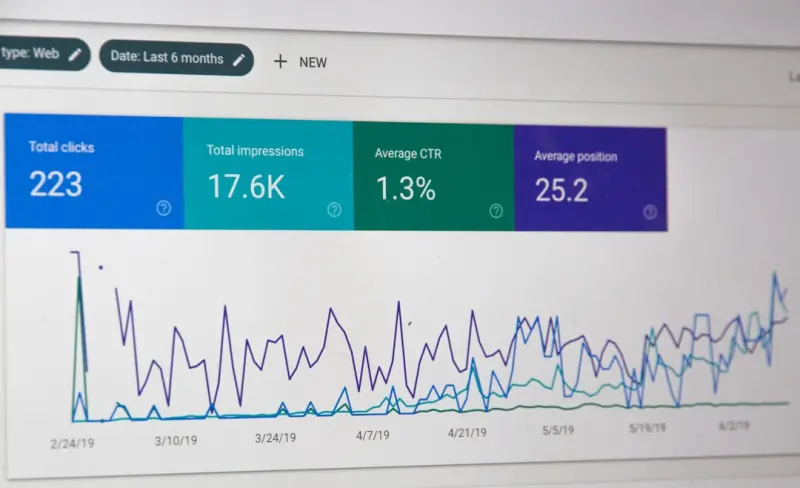
- Impression lift: Track changes in SERP impressions for product pages after implementing review markup.
- CTR boost: Rich snippets with stars often see 20‑30% higher click‑through rates.
- Organic traffic growth: Compare organic sessions before and after aggregating review‑derived FAQs.
- Conversion correlation: Higher average rating and review volume correlate with higher conversion rates—a dual win for SEO and revenue.
Use Google Analytics and Search Console side‑by‑side to visualize these trends. The data will make a compelling case for continued investment in review collection and optimization.
Future‑Proofing: Voice Search and Reviews
As voice assistants become more conversational, they often pull answers from featured snippets and FAQ cards. Well‑structured reviews and Q&A sections are prime candidates for voice extraction. By ensuring that your review content is concise, question‑oriented, and marked up correctly, you position your product to be the answer spoken back to shoppers.
Wrapping Up: Make Reviews the Heartbeat of Your SEO Strategy
In the crowded eCommerce arena, technical SEO tricks are a baseline—not a differentiator. The real competitive edge lies in amplifying the voice of your customers. By structuring reviews, mining them for long‑tail keywords, turning Q&A into FAQ rich results, and weaving them into your internal linking fabric, you create a virtuous cycle: more reviews → richer content → higher rankings → more traffic → more reviews.
So next time you sit down to audit an eCommerce site, skip the checklist of “crawl budget” and “mobile‑first indexing” for a moment and ask yourself: Are the customer reviews speaking loudly enough to the search engines? If the answer is no, start there. The SEO gains will follow, and your shoppers will thank you for giving them a platform to be heard.

Paul Gray is a dynamic blogger based in Brampton, where he shares his life with his amazing wife, Sarah. Known for his engaging writing style and relatable insights, Paul has carved out a niche in the blogging world that resonates with readers from all walks of life. When he's not crafting captivating posts, you can find him savoring a cold beer or indulging in the latest blockbuster movie. With a friendly demeanor and a passion for storytelling, Paul brings a unique perspective to his work, making him not just a blogger, but a voice for those who appreciate the simple joys of life.
Related Posts

Why User‑Generated Content Is the Secret Weapon for eCommerce SEO
User‑generated content isn’t just social proof; it’s a potent SEO engine. Learn how to harvest... Read More

Beyond the Cart: A Fresh eCommerce SEO Blueprint for Modern Shoppers
This post outlines a modern eCommerce SEO playbook, covering intent‑first keyword mapping, product... Read More

AI‑Powered Product Copy That Ranks & Converts
AI can speed up product copy creation, but without a human‑AI workflow, it can hurt SEO. This guid... Read More
Top Posts

Intent‑First SEO Tips That Are Redefining Rankings in 2026
Learn the latest intent‑first SEO tactics for 2026, from mapping user intent to measuring success, and see how these strategies can transform your rankings an...Read More
Boost Your WordPress Rankings with Smart Taxonomy Strategies
Learn to transform default categories and tags into powerful SEO assets with custom taxonomies, smart internal linking, and schema markup for WordPress sites....Read More

Community‑First Maps: The Hidden Engine Behind Local SEO Success
Learn a fresh, community‑centric approach to local SEO that goes beyond citations, using map optimization, neighborhood partnerships, and hyper‑local conten...Read More

Why Employee Advocacy is the Missing Link in Your SaaS Digital Marketing Mix
Employee advocacy transforms internal expertise into powerful, authentic digital marketing. Learn how to build, scale, and measure a program that boosts credibi...Read More
0 Comments
Post Comment
You will need to Login or Register to comment on this post!