

When shoppers leave a rating or a comment, they’re not just sharing an opinion—they’re handing you a hidden SEO lever that most merchants overlook, and the impact can be measured in both rankings and revenue; every authentic voice adds fresh, user‑generated content that Google treats as a trust signal, especially when the language mirrors the long‑tail queries real buyers type into search engines. By treating reviews as a strategic content asset rather than a post‑purchase afterthought, you can turn a simple five‑star badge into a traffic‑generating engine that fuels organic visibility across product pages, category listings, and even brand‑level searches. The key is to adopt a data‑driven mindset, harvesting every snippet of user feedback, tagging it with intent, and feeding it into a structured workflow that amplifies its SEO value at scale.
Why Reviews Are the Secret Weapon for eCommerce SEO
First, review content is inherently keyword‑rich because real customers describe products in the same vernacular that potential buyers use, capturing variations and synonyms that even the best keyword tools miss; this organic diversity fuels the semantic depth Google looks for when evaluating relevance, especially in the context of long‑tail search terms that drive high‑intent traffic. Second, the freshness factor of ongoing reviews sends a positive crawl‑budget signal to search engines, indicating that the page is actively maintained and worthy of more frequent indexing, which can accelerate the appearance of new ranking opportunities without additional technical tweaks. Finally, when reviews are displayed prominently on SERP snippets—thanks to structured data and rich results—they become click‑bait magnets, increasing CTR and sending downstream ranking signals that compound over time.
Structuring Reviews for Maximum SEO Value
Implementing schema markup for reviews is no longer optional; by embedding Review and AggregateRating JSON‑LD snippets directly into product pages, you give search engines a clean, machine‑readable way to extract star scores, author names, and excerpted text, which can translate into eye‑catching rich snippets that outshine plain listings in the crowded SERP landscape. Beyond the markup, segmenting reviews by attribute—such as fit, durability, or ease of use—creates micro‑pages that can rank for highly specific queries, and pairing each segment with a concise, optimized heading amplifies the chances of capturing voice‑search traffic that often asks for product qualities in question form. Moreover, integrating review images and videos not only enriches the user experience but also opens the door for visual search opportunities, allowing your product catalog to appear in image‑based results that drive additional referral traffic.
Link equity can be harvested from the review ecosystem itself; when a user mentions a complementary product or a specific use case, you can embed contextual internal links that guide readers deeper into your catalog, effectively turning every review into a mini‑hub of navigation pathways that distribute PageRank across high‑value pages. This strategy dovetails perfectly with automated internal linking tools, which can scan new review submissions and automatically insert relevant anchor text based on product SKUs or attribute keywords, ensuring that the link structure remains both comprehensive and up‑to‑date without manual effort. The result is a self‑reinforcing loop where fresh review content fuels internal link growth, which in turn boosts crawl efficiency and topical authority for the entire site.
Turning Review Data Into Ongoing Growth
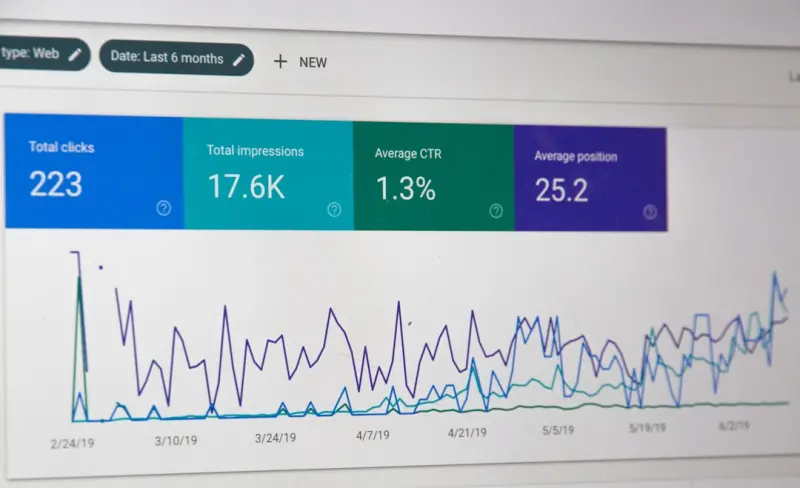
To truly measure the impact of review‑driven SEO, set up custom dashboards that track metrics such as impression share for rich snippets, organic click‑through rates on review‑rich pages, and the correlation between new review volume and ranking shifts for target keywords; this data‑centric approach lets you pinpoint which review attributes drive the most traffic and allocate resources accordingly, whether that means prompting customers to elaborate on size fit or encouraging photo uploads for visual search benefits. Additionally, repurposing high‑performing review excerpts into blog posts, FAQ entries, or social media teasers creates a cross‑channel amplification effect, turning a single piece of user feedback into multiple SEO assets that reinforce each other and expand the overall keyword footprint of your brand. As you iterate, keep an eye on emerging trends—like the rise of AI‑generated summaries and sentiment analysis—that can further streamline the process of extracting SEO‑ready nuggets from raw review data, ensuring that your eCommerce store stays ahead of the competition by continuously turning customer voices into searchable, link‑worthy content.

Dale Peterson is a freelance writer with a passion for technology, travel, law and personal finance. With 10 years of experience crafting compelling and informative content, he's dedicated to delivering high-quality writing for Blogging Fusion that engages audiences and achieves specific goals.
Related Posts

Scaling Your eCommerce Store Across Borders: An International SEO Playbook
A practical guide that walks eCommerce brands through market research, site architecture, hreflang, ... Read More

The Secret Architecture Behind High‑Volume eCommerce SEO
Learn how to build a scalable SEO foundation for large eCommerce sites, using taxonomy, schema, inte... Read More

Unlocking the SEO Power of User‑Generated Content for eCommerce Growth
Learn how to turn customer reviews, photos, and questions into powerful SEO assets that rank higher,... Read More
Top Posts

Rose DesRochers Shares the Hottest SEO Tips for 2024
Rose DesRochers reveals cutting‑edge SEO tactics for 2024—intent‑first content, AI‑assisted writing, smart linking, and technical upgrades that drive ra...Read More

SEO for the Multi-Modal SERP Era
The SERP is no longer just text; it’s a blend of AI answers, videos, images, and rich snippets. This post outlines actionable strategies—AI‑driven content...Read More
Local Business Alliances: A Fresh Engine for Search Visibility
A new approach to local SEO that leverages community alliances, geo‑fencing, and rich structured data to drive rankings, foot traffic, and trust in your neigh...Read More

Mastering Passage Ranking: A SaaS Playbook for the New Google Algorithm
Passage ranking lets Google surface specific sections of a page, turning long‑form SaaS guides into multiple ranking assets. This post reveals how to structur...Read More
0 Comments
Post Comment
You will need to Login or Register to comment on this post!