

Riding the Intent‑First Wave: What’s Changing in SEO Today
In the bustling corridors of digital marketing, a seismic shift is happening that feels less like a ripple and more like a tidal surge. Search engines, particularly Google, are no longer content with simply matching keywords; they’re demanding a deep understanding of user intent behind every query. This transformation isn’t a fleeting trend—it’s a structural evolution that compels marketers to re‑think how they craft content, structure sites, and measure success. The buzz around “intent‑first” strategies is louder than ever, and savvy professionals are already seeing the ripple effects in SERP features, voice search, and even the rise of AI‑generated snippets. As we navigate this new landscape, the key is to align every SEO decision with the question the searcher truly wants answered, not just the phrase they typed. The result? More sustainable rankings, higher engagement, and a brand voice that feels authentic to the audience.
The Core of Intent‑First SEO: From Keywords to Questions
Traditional SEO taught us to chase high‑volume keywords, sprinkle them across copy, and hope for the best. Today, that playbook feels archaic because search engines have grown sophisticated enough to infer the “why” behind a search. This means that a phrase like “best coffee beans” now triggers a suite of results that consider price, flavor profiles, brewing methods, and even sustainability—reflecting diverse intents from purchase to research. To succeed, marketers must map out the entire intent hierarchy: informational, navigational, transactional, and commercial investigation. By building content clusters that answer each layer, you create a web of relevance that Google’s algorithms reward. A practical example is turning a generic blog post into a series of detailed guides, FAQs, and product comparisons that collectively satisfy the whole intent spectrum. Embracing this approach is precisely why Intent‑First SEO: Transform Your Rankings with User‑Centric Strategies has become a must‑read for anyone looking to future‑proof their organic traffic.
Why the Intent‑First Wave Is Dominating SEO News
Every major SEO outlet is now featuring stories about intent‑first tactics, and it’s not just hype. The Intent‑First Wave: Why It’s Reshaping SEO News and What Marketers Should Do article highlighted how Google’s recent algorithm updates prioritize content that demonstrably satisfies user goals. This shift is evident in the growing prominence of “People Also Ask” boxes, featured snippets, and the new “Helpful Content” update that penalizes superficial content. Marketers who cling to old tactics—like keyword stuffing or low‑value link building—are seeing traffic erosion, while those who invest in intent mapping see a steady climb in both rankings and user satisfaction. The impact extends beyond rankings; it influences ad spend, conversion rates, and brand perception. In short, the intent‑first wave is redefining what success looks like in the SEO arena, making it essential for any modern marketer to adapt or risk becoming irrelevant.
Crafting an Intent‑First Content Blueprint
Building an intent‑first content strategy starts with rigorous audience research. Tools that capture search queries, click‑through patterns, and on‑page behavior can reveal the nuanced motives behind each keyword. Once you have this data, group queries into intent clusters and design pillar pages that serve as comprehensive hubs. From there, develop supporting articles that dive deeper into sub‑topics, ensuring each piece answers a specific question while linking back to the pillar. This internal linking architecture signals to Google the hierarchical relationship between content pieces, reinforcing topical authority. Moreover, consider the format: videos for “how‑to” queries, infographics for quick comparisons, and long‑form guides for deep‑dive research. By aligning format with intent, you not only satisfy the searcher but also increase dwell time—a critical ranking signal. This methodology is exactly what the Why Intent‑First SEO Is the Future of Google Rankings piece champions as the roadmap to sustainable growth.
Measuring Success in an Intent‑First World
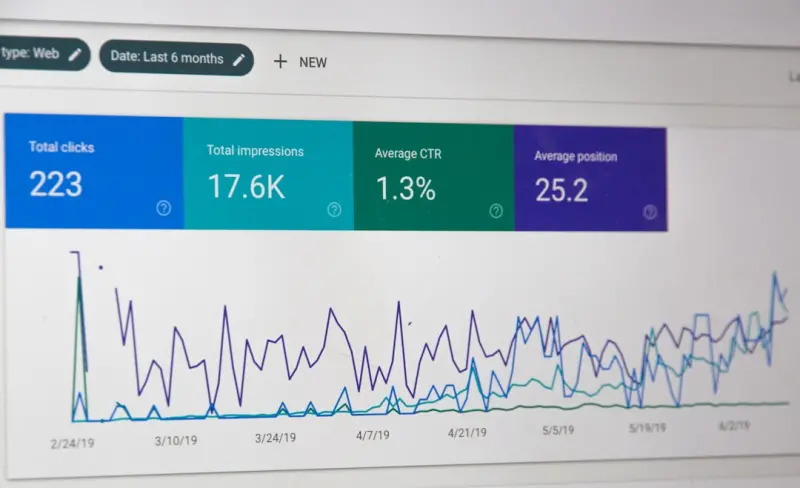
Metrics must evolve alongside strategy. Traditional vanity metrics like raw traffic volume are no longer sufficient; they don’t tell you whether users found what they needed. Instead, focus on engagement signals such as dwell time, scroll depth, and pogo‑sticking rates. A drop in pogo‑stick behavior often indicates that the content met the user’s intent on the first try. Conversion pathways should also be mapped to see how intent aligns with business goals—whether it’s a newsletter signup, a product purchase, or a brand‑awareness lift. Advanced analytics platforms can segment traffic by intent cluster, allowing you to pinpoint which content types drive the highest ROI. By tying these intent‑focused KPIs back to revenue, you create a feedback loop that justifies investment in higher‑quality, intent‑driven assets. Over time, this data‑driven approach not only boosts rankings but also builds a resilient brand presence that can weather algorithmic storms.
Common Pitfalls and How to Avoid Them
Even seasoned marketers can stumble when transitioning to intent‑first SEO. One frequent mistake is assuming that a single “best‑of” article can cover all intent variations; in reality, each user segment expects a tailored experience. Another trap is neglecting the technical side—structured data, schema markup, and fast page load times remain critical for Google to surface your content in rich results. Over‑optimizing for a single keyword phrase while ignoring related queries can also lead to a narrow relevance footprint, causing missed opportunities. To avoid these pitfalls, conduct regular content audits that assess both relevance and technical health, and continuously update pieces to reflect evolving search intents. Additionally, foster cross‑functional collaboration between SEO, content, and product teams to ensure that every touchpoint—from landing page copy to checkout flow—aligns with user intent.
Future Trends: AI, Voice, and the Next Wave of Intent
The next frontier for intent‑first SEO lies at the intersection of artificial intelligence and voice search. As AI models become more adept at understanding natural language, they will generate even richer SERP features that answer complex queries without a click. Voice assistants, meanwhile, prioritize concise, conversational answers, pushing marketers to adopt a more human tone in their content. Anticipating these trends means investing in semantic SEO—optimizing for topics rather than isolated keywords—and creating content that can be easily parsed by AI for summarization. Structured data will play a pivotal role in ensuring that your content is the source AI chooses for answers. By staying ahead of these developments, you’ll not only retain rankings but also position your brand as a trusted authority in the evolving digital conversation.
Actionable Steps to Ride the Intent‑First Wave Today
Ready to put theory into practice? Start by conducting an intent audit of your top‑performing pages, identifying gaps where user questions remain unanswered. Next, develop a content calendar that prioritizes high‑impact intent clusters, pairing each with the optimal format—be it a video tutorial, a downloadable guide, or an interactive tool. Implement internal linking structures that reinforce the pillar‑cluster relationship, and enrich pages with schema markup to improve visibility in rich snippets. Finally, set up a dashboard that tracks intent‑specific metrics such as dwell time, conversion rates, and pogo‑stick frequency, allowing you to iterate quickly. By following these steps, you’ll harness the momentum of the intent‑first wave and secure a competitive edge in the ever‑changing SEO landscape.

When it comes to the world of blogging and writing, Rose DesRochers is a name that stands out. Her passion for creating quality content and connecting with her audience has made her a trusted voice in the industry. Aside from her skills as a writer and blogger, Rose is also known for her compassionate nature.
Related Posts

Voice Search Optimization: Strategies for the Age of Smart Assistants
Explore how to adapt your SEO for voice search, leveraging conversational keywords, structured data,... Read More

Chatting with Google: How Conversational Search Is Redefining SEO
A deep dive into the rise of conversational AI in search, offering practical tactics—from structur... Read More

Why Non‑HTML Assets Are the Next SEO Goldmine
Optimizing PDFs, PowerPoints, and other non‑HTML files can unlock high‑intent traffic and lead g... Read More
Top Posts
Headless WordPress SEO: How to Keep Rankings Soaring in a Decoupled Architecture
A practical guide to preserving and enhancing SEO after migrating WordPress to a headless architecture, covering URLs, schema, performance, and internal linking...Read More

When the SERP Turns Into a Playground: Adapting to the New Search Layouts
The SERP is no longer just a list of links; it's a dynamic playground of AI answers, product carousels, and video snippets. This post outlines a practical SEO s...Read More

Building an SEO Resilience Engine: Future‑Proof Your B2B SaaS Traffic
A resilient SEO engine spreads risk across content formats, leverages redundant signals, and incorporates rapid recovery playbooks—ensuring B2B SaaS traffic s...Read More

Unlock the Hidden Power of Facebook SEO: A Strategic Guide for Marketers
Learn how to turn Facebook into an SEO engine with proven tactics for pages, groups, video, and AI-driven content that drive real traffic....Read More
0 Comments
Post Comment
You will need to Login or Register to comment on this post!